Air travel infrastructure doesn't usually make front-page news until everything breaks at once. When a massive nationwide ground stop paralyzed U.S. flights following a telecommunications and data overload, passengers weren't the only ones left stranded. Lawmakers on Capitol Hill suddenly found themselves staring down an enormous political and financial crisis.
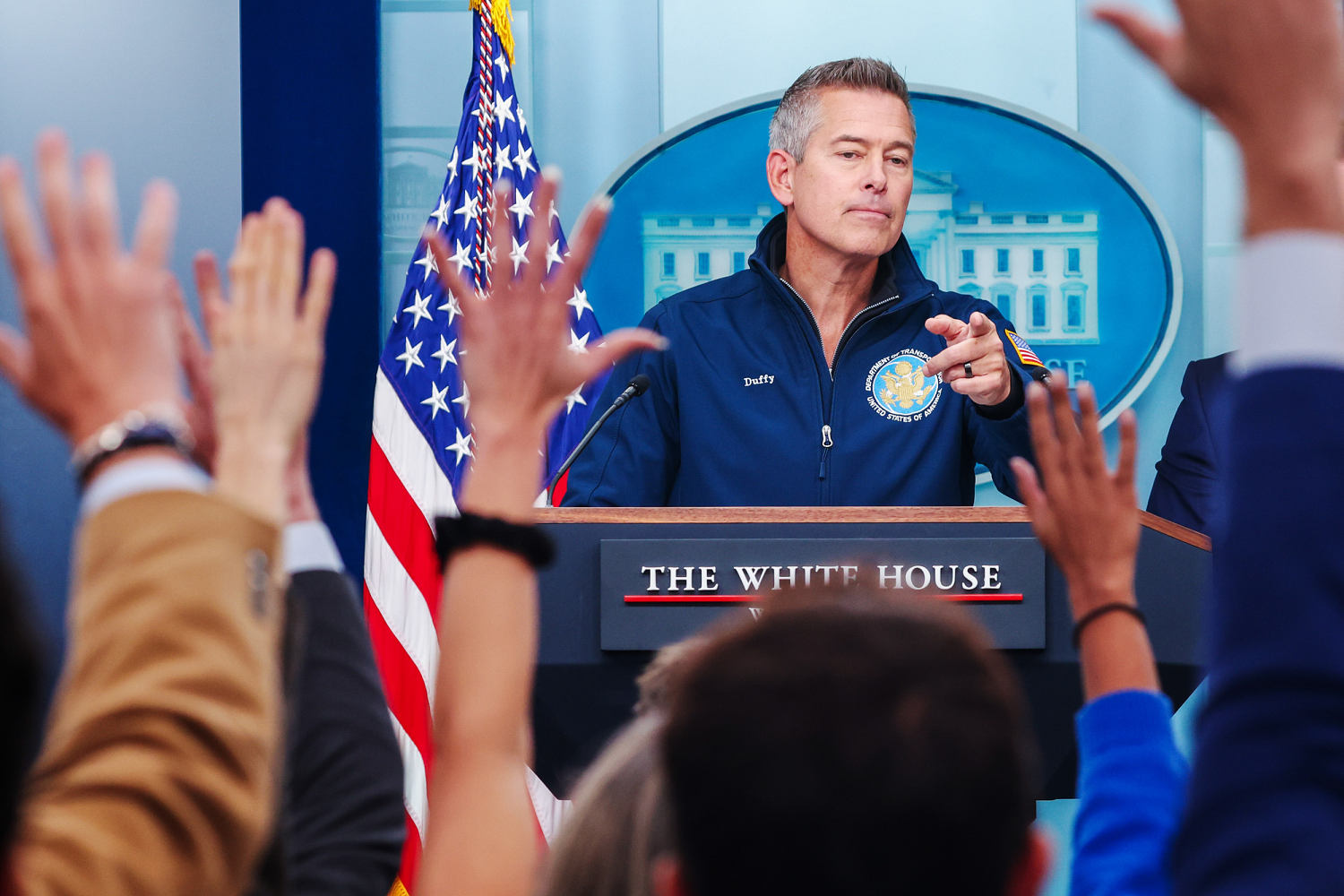
Transportation Secretary Sean Duffy stepped in front of reporters with a massive price tag to fix the mess. He didn't just ask for a routine budget adjustment. He demanded an emergency injection of $50 billion to overhaul the aging networks of the Federal Aviation Administration (FAA).
Unsurprisingly, Congress didn't just write a blank check. Instead, Duffy's multi-billion dollar demand met an immediate wall of skepticism, pointed questions, and outright yelling from Capitol Hill.
The Breaking Point Behind the Request
You don't wake up one morning and suddenly need fifty billion dollars for aviation infrastructure. The crisis stems from decades of deferred maintenance, legacy equipment, and a patchwork of obsolete technology. Duffy pointed bluntly at the underlying architecture during his briefings, noting that parts of the radar infrastructure date back to the 1960s and 1970s, while other internal switches run on tech from the 1990s.
The immediate catalyst for the cash grab was a catastrophic communications meltdown. Routine modernization efforts—specifically swapping old copper connections for fiber optic lines—triggered an automated data overload at key air traffic control hubs. The servers simply couldn't handle the influx of connection requests, leading to system instability that forced the FAA to pull the emergency brake on domestic aviation.
President Donald Trump initially floated a $30 billion request, but Duffy escalated the figure to $50 billion almost overnight, framing it as an absolute emergency required to drag America's airspace into the modern era.
Why Congress Pushed Back So Hard
If the system is genuinely that old and dangerous, why are lawmakers fighting the White House? The resistance isn't just about partisan bickering. It comes down to basic accountability and how previous funds were handled.
Key Democratic lawmakers, including Senator Chris Van Hollen, wasted no time pointing out the glaring contradictions in the administration's stance. Congress had previously allocated billions for infrastructure upgrades, and critics pointed out that the administration had only spent a fraction of those existing funds. Handing over another massive chunk of taxpayer money without a clear accounting of past spending felt like a non-starter for many members.
Furthermore, lawmakers questioned how a fifty-billion-dollar price tag was conjured up in less than twenty-four hours after the outage. When a government agency requests a sum that large on short notice, oversight committees want itemized proof, transparent vendor plans, and strict guarantees. Vague promises about building a better network don't satisfy politicians who have to answer to constituents worried about government spending.
The Reality of Updating America's Skies
Fixing air traffic control isn't like repaving a highway. It's a high-stakes engineering puzzle where you cannot afford a single hour of downtime.
If you've ever flown commercial in the United States, you've benefited from a system that manages tens of thousands of flights daily. But behind the scenes, controllers juggle airspace using software loops that modern IT professionals wouldn't touch with a ten-foot pole. Transitioning to new systems requires shutting down or mirroring live operational environments, a task fraught with risk.
Duffy argued that the administration is ready to execute the buildout. Yet, the friction in Congress exposes a deeper truth about federal procurement. Big infrastructure money usually attracts bloated contracts, bureaucratic delays, and endless subcontractor layers. Lawmakers know that throwing money at a problem without structural reform often leads to wasted billions rather than fixed radar screens.
As the legislative dust settles, the pressure is mounting on both sides of the aisle. Holiday travel seasons loom large, and neither party wants to own the blame if another communications glitch strands millions of holiday travelers. Whether Duffy gets his fifty billion or a heavily negotiated fraction of it, the debate has dragged the fragile state of American aviation squarely into the spotlight where it belongs.
Air Travel Fiasco Turns Into $50 Billion Funding Fight
This video provides direct footage and further context regarding Secretary Sean Duffy's defense of the FAA budget and the intense congressional pushback following the nationwide ground stop.



