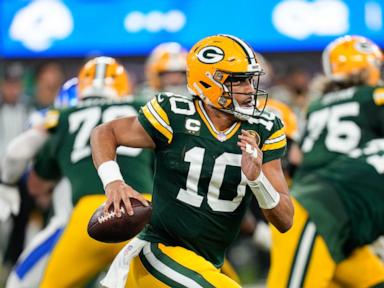
Sixteen years is a long time to carry the scoring burden of an entire country. Romelu Lukaku has finally decided to put down the Red Devils shirt. At 33 years old, Belgium’s greatest-ever talisman announced his retirement from international football, leaving behind a legacy built on raw power, relentless resilience, and an astonishing 94 goals in 135 appearances.
If you followed his career from the very beginning, you knew this moment was coming. But that doesn't make it any less surreal. Lukaku basically grew up on the international stage, making his senior debut at just 16 years old. He became the physical anchor of Belgium's golden generation, absorbing heavy criticism when things went south and carrying the team on his broad shoulders whenever expectations peaked.
The Numbers Tell Only Half the Story
Looking at his final stat sheet is mind-blowing. Ninety-four international goals place him fifth on the men’s all-time global scoring list. That puts him right up there with the icons of the sport. His goals weren't just empty stats padded against weak opponents in friendlies either, though he scored plenty there too. He bagged 19 in World Cup qualifiers, 21 in Euros qualifying, 14 in the UEFA Nations League, eight at World Cup finals, and six at the European Championships.
Yet, anyone who watched Belgium over the past decade knows numbers don't capture the true weight of his tenure. Lukaku was the lightning rod for the team's frustrations. When the golden generation failed to lift a major trophy—stumbling in dramatic fashion at tournaments like the 2022 World Cup in Qatar—Lukaku often absorbed the brunt of the media fallout. He missed crucial chances against Croatia, faced injuries, and dealt with intense scrutiny that would have broken a less mentally tough player.
Instead of folding, he bounced back every single time. He returned to lead the line with an unmatched physical presence, proving over and over that Belgium's attack simply did not function the same way without him.
Why Now Is the Right Time to Walk Away
Timing is everything in professional sports. At 33, and following his summer move to Turkish giants Fenerbahçe, Lukaku's body has started sending subtle signals. Nagging injuries have slowed his output in recent years, making it harder to maintain the explosive pace required to dominate both elite club football and high-stakes international windows.
More importantly, the writing was literally on the wall during Belgium's recent fixtures. Watching from the bench as younger squad members took charge in a convincing win over Italy showed him the transition was already happening. Instead of hanging around to become a fading substitute, Lukaku chose to exit on his own terms. He posted a heartfelt farewell message on Instagram, admitting he felt completely at peace with stepping away after giving every ounce of energy he had to his country.
What This Means for Belgium Next
The Red Devils now face a massive identity crisis. Finding someone to replicate Lukaku's output is basically impossible right now. For over a decade, tactical setups for Belgium relied on a simple formula: pump the ball up to Romelu, let him hold up against two center-backs, and bring the creative midfielders into play.
Younger forwards will get their chance to step up, but they won't have the shielding presence of a seasoned veteran to absorb the pressure. The golden generation is officially gone, and the national team must reinvent its entire style of play.
Lukaku leaves the national team without a shiny international trophy to show for it, but trophies don't define greatness. He gave Belgian fans memories across four World Cups and three European Championships. He set a scoring benchmark that might stand for generations. Let him rest.