Geopolitics rarely moves in straight lines. When border skirmishes flare up and old regional fault lines start throbbing again, capital cities do not just look to their immediate neighbors for answers. They reach out to unexpected players, test unorthodox diplomatic channels, and dig deep into emergency playbooks. That is precisely what is happening right now as the shadow of renewed conflict stretches across the Arabian Peninsula.
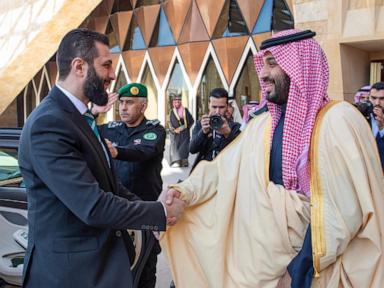
If you have been watching the news cycle lately, you know the core issue. Tensions between Saudi Arabia and the Houthis have escalated past the breaking point, shattering fragile lulls that held for years. With trade routes threatened, missile interceptions becoming a grim weekly routine, and energy infrastructure sitting in the crosshairs, Riyadh faces an agonizing strategic squeeze. To manage this mounting pressure, quiet diplomatic tentacles are reaching further than they have in a decade, forcing Saudi strategists to test ties with unexpected regional capitals, including Damascus, to build a wider consensus against mounting security threats.
The Anatomy of a Reluctant Realignment
Let us be honest about what is driving this shift. Riyadh wants out of the Yemeni quagmire, but it cannot afford a hostile vacuum on its southern border. When diplomacy hits a brick wall—especially after reports surfaced that the Houthis floated astronomical financial demands and demands for total political recognition—traditional deterrence methods fall short.
You cannot bomb your way to a permanent border security architecture, and you certainly cannot rely solely on Western backing when global supply chains are choking. That realization forces a pragmatic rethink. Riyadh is testing multi-channel diplomacy, utilizing mediators in Oman, backchannels with Tehran, and exploring broader Arab diplomatic alignments to isolate rogue factions. Syria enters this complex equation not as a savior, but as part of a messy, wider regional jigsaw puzzle where Arab states are slowly burying past hatchets to counter asymmetric threats.
What Most Analysts Miss About the Northern Shift
Most commentators look at Middle Eastern diplomacy through a binary lens. They think countries either hate each other forever or become fast friends overnight. Real life does not work that way.
When Saudi Arabia engages in wide-net diplomatic reconnaissance, it is running risk-management scenarios. The primary goal is securing the kingdom's economic transformation projects—like Neom and the Red Sea giga-projects—from drone strikes and ballistic arc trajectories. If keeping those skies clear requires talking to governments that Riyadh spent years trying to isolate, so be it. Foreign policy is transactional, cold, and entirely driven by immediate survival calculus.
Consider the broader economic toll. When energy facilities are targeted and shipping insurance premiums skyrocket, the cost is borne globally, but the direct strategic headache belongs to Saudi planners. They are trying to build a post-oil economy while dodging drones built with smuggled components. That contradiction dictates everything.
Where the Strategy Breaks Down
Of course, opening multiple diplomatic fronts comes with massive risks. Trust is practically non-existent. When you signal desperation or an eagerness for a quick deal, hardline adversaries tend to double down on their demands rather than compromise.
We saw hints of this dynamic when extravagant financial compensation leaks hit the press. Whether those specific figures were entirely accurate or strategic posturing, they exposed the raw nerve of a kingdom searching desperately for an exit ramp. Negotiating from a posture of exhaustion rarely yields a durable peace. It usually just buys you temporary quiet while the other side rearms.
The Hard Truths Ahead
The brutal reality is that containment has limits. Unless the international community finds a way to effectively choke off the illicit supply lines feeding advanced weaponry into Yemen, tactical diplomatic maneuvers in Damascus, Muscat, or Doha will only yield marginal results.
Saudi leadership understands this math better than anyone. They are hedging their bets, talking to everyone who might hold a shred of leverage, and preparing for a prolonged security dilemma. The playbook is being rewritten in real-time, driven not by ideological shifts, but by raw, unvarnished self-preservation. Watch the borders closely, because what happens next will shape the security architecture of the entire Middle East for the next decade.



