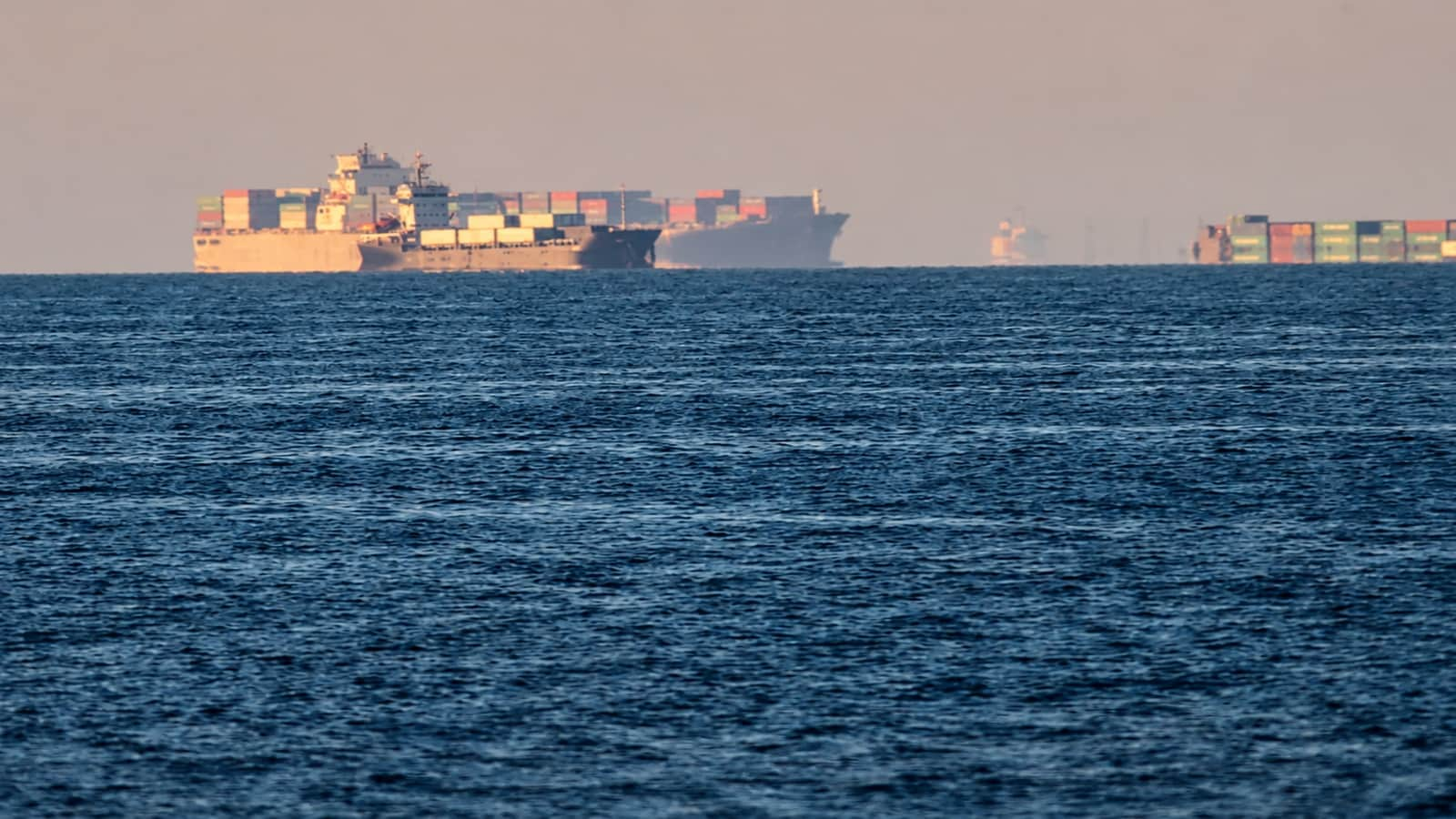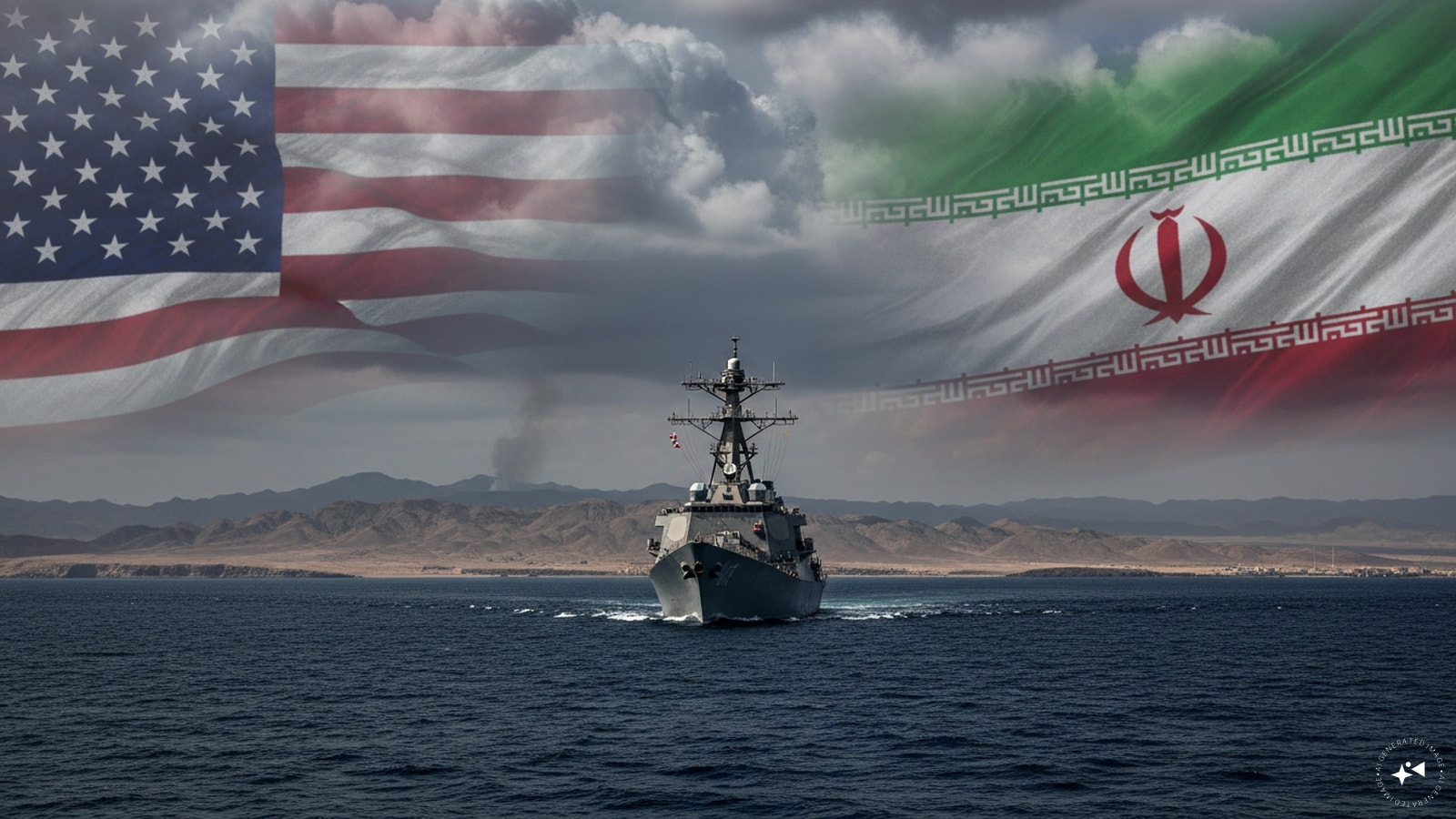
Explosions rocked Qeshm Island as the United States military carried out limited defensive strikes targeting Iranian positions. If you have been tracking energy markets or global security, you know the Strait of Hormuz is the world's most critical oil bottleneck. When Washington makes a move here, the ripples hit global shipping lanes and fuel prices instantly.
A U.S. official confirmed the operations targeted Iranian forces using surface-to-air missiles against American assets. Iranian state television reported blasts across Qeshm Island while indirect diplomatic channels struggle to prevent a full-scale return to open conflict. Yet, the timing of these actions tells a much larger story about how fragile the current state of affairs really is.
The Breaking Point in the Persian Gulf
For months, the eight-month-old conflict has kept commercial traffic on edge. Iran's Revolutionary Guard Corps has tried to assert chokehold control over the strategic waterway, leading to multiple vessel fires and blocked energy corridors.
When surface-to-air missiles lock onto U.S. assets, the military response isn't optional. It's standard protocol designed to protect personnel and keep critical routes open. But calling them "defensive strikes" masks the dangerous tightrope walk happening behind closed doors. As highlighted in detailed reports by Associated Press, the results are worth noting.
Diplomacy Versus Military Reality
President Donald Trump recently claimed that Tehran wants a settlement as soon as possible, pointing to tumbling oil prices as a sign of easing market panic. Vice President JD Vance echoed cautious optimism, stating that diplomatic progress is happening through mediators like Qatar.
At the same time, reality on the ground looks messy. Tehran insists that Washington must lift its naval blockade and meet specific demands before any lasting agreement materializes. Meanwhile, regional allies like Israeli Prime Minister Benjamin Netanyahu have urged Washington to keep up the pressure with additional waves of strikes, pulling the White House in opposite directions.
What This Means for Global Markets
Oil prices plunged recently on hopes of a negotiated settlement, but localized strikes prove how quickly those gains can evaporate. Shipping companies and insurers remain hyper-vigilant. Navigating the Strait of Hormuz requires constant risk assessment because a single miscalculation by either side could shut down millions of barrels of daily oil transit.
If you are watching these developments, don't expect a clean resolution overnight. The combination of stalled peace terms, ongoing missile threats, and domestic political pressures means the situation remains volatile. Keep a close eye on regional updates, verify your supply chains if you operate in logistics, and remember that fragile ceasefires in this region rarely hold without enforcement.