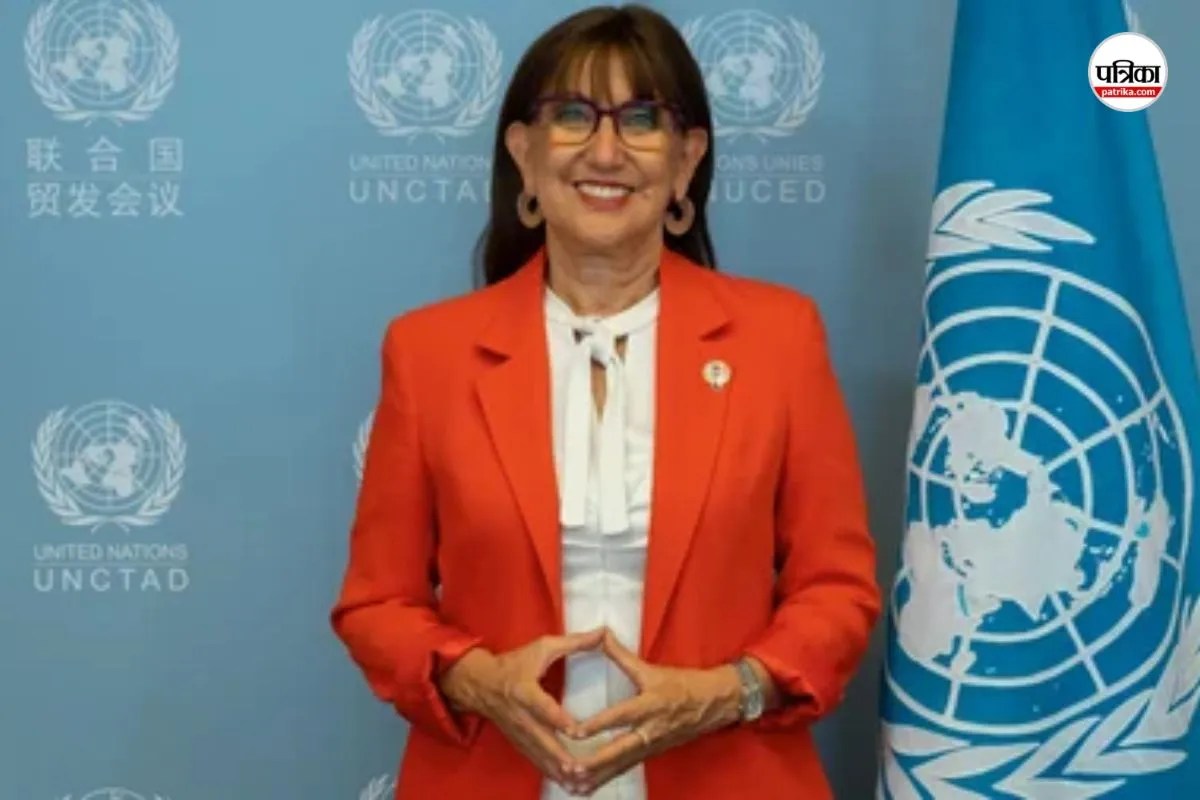
The United Nations is preparing for a leadership change as António Guterres finishes his second term on December 31, 2026. Costa Rica's Rebeca Grynspan has emerged as the clear frontrunner after securing 11 "encourage" votes in the United Nations Security Council's seventh informal straw poll.
She isn't the only diplomat in the running. Rafael Grossi of Argentina and Carolyn Rodrigues-Birkett of Guyana follow closely, while the UAE's Lana Nusseibeh recently entered the field.
Understanding who will lead the world's highest diplomatic office requires looking beyond candidate names to the mechanism behind UN elections.
Who Is Rebeca Grynspan and Why Is She Leading?
Rebeca Grynspan currently heads the UN Trade and Development organization (UNCTAD). Her career spans decades in international economics, development, and national politics, including service as Vice President of Costa Rica. For further information on this topic, extensive analysis can be read on USA Today.
Diplomats value her reputation as a practical negotiator. During her tenure at UNCTAD, she worked closely with global stakeholders on supply chain issues and debt relief for developing nations.
There is also strong institutional momentum behind her candidacy. The UN has had nine Secretaries-General since 1945, every single one of them male. Member states face growing calls to select the organization's first female leader. Under the regional rotation model, Latin America and the Caribbean are widely expected to claim the post for the upcoming 2027–2031 term.
| Candidate | Country | Current / Notable Role |
|---|---|---|
| Rebeca Grynspan | Costa Rica | Secretary-General, UNCTAD |
| Rafael Grossi | Argentina | Director General, IAEA |
| Carolyn Rodrigues-Birkett | Guyana | Permanent Representative to the UN |
| Lana Nusseibeh | UAE | Minister of State for Foreign Affairs |
How the UN Secretary-General Election Actually Works
The appointment process surprises many observers because UN citizens and the general membership don't vote directly. The decision rests almost entirely with fifteen countries sitting on the Security Council.
1. Informal Straw Polls
Before any public voting occurs, Security Council members vote secretly using ballot slips marked "encourage," "discourage," or "no opinion". These informal polls gauge support and allow candidates to see where they stand without triggering formal vetoes.
2. The P5 Veto Factor
The five permanent members—the United States, China, Russia, France, and the United Kingdom—hold absolute veto power. A candidate can secure 14 positive votes, but a single "discourage" ballot from any permanent member effectively blocks their nomination. Color-coded ballots reveal when a P5 country objects to a candidate.
3. Security Council Recommendation
Once a consensus emerges, the Security Council adopts a formal private resolution recommending one candidate to the General Assembly.
4. General Assembly Confirmation
The 193 member states in the General Assembly vote to confirm the recommendation. Historically, the General Assembly has never rejected a Security Council nominee.
Main Hurdles Ahead for Grynspan
Leading straw polls doesn't guarantee a final victory. Grynspan faces real challenges before securing a formal recommendation.
- P5 Trade-Offs: Geopolitical friction between major powers often turns the selection process into a bargaining chip. A candidate accepted by Washington might face skepticism from Moscow or Beijing.
- Maintaining Regional Unity: Latin American countries must present a unified front to prevent votes from splitting among regional candidates.
What Happens Next
The UN Security Council will hold its final formal votes before submitting a official recommendation. The General Assembly will vote on the nomination before December to ensure a smooth transition of leadership by January 1, 2027.



