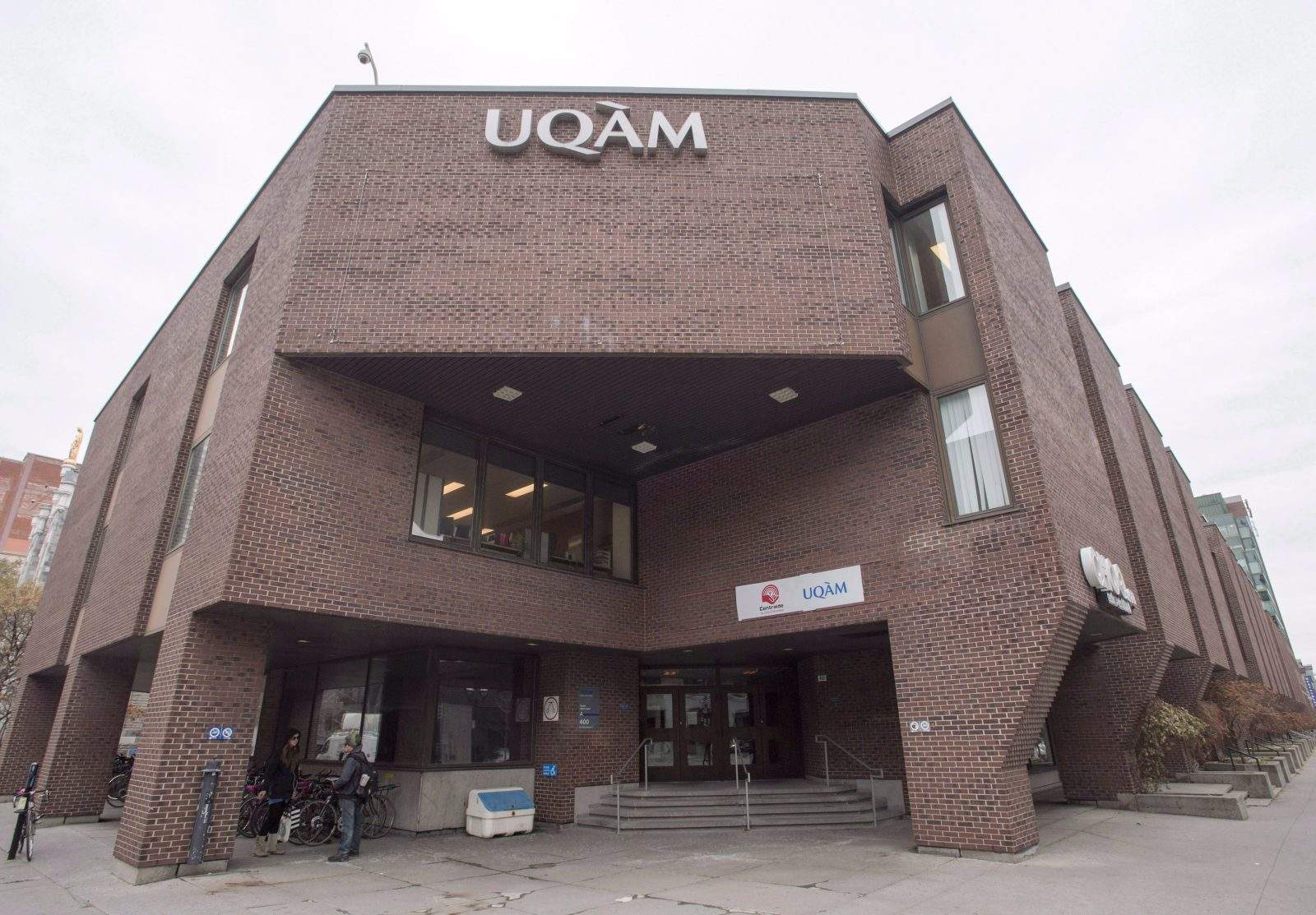
Students across Quebec aren't walking out over a simple tuition hike this time. They're walking out because groceries cost too much, rent eats half a paycheck, unpaid internships drain their savings, and their classrooms are falling apart.
Following a week of walkouts from November 9 to 13, 2026, organized by the Coalition for Student Union Resistance (CRUES), student delegates gathered to weigh an indefinite general strike in the winter 2027 semester. Vote results are slated for Monday morning after weekend assemblies.
Honestly, that shift matters more than people realize. Back in the 2012 Maple Spring, the spark was unmistakable: tuition fee increases. Today, the pressure is broader, messier, and harder for policymakers to sweep under a single budget line. When students have to choose between buying groceries and keeping full-time status, a strike stops looking like a protest chant and starts looking like an emergency brake.
What Actually Sparked This Wave of Quebec Student Strikes
If you only read quick wire summaries, you might think this is just another seasonal campus protest. It isn't.
CRUES has been pushing for major changes to provincial student financial aid, higher funding for CEGEPs and universities, and pay for mandatory internships. During the November 9–13 walkouts, thousands of post-secondary students left classes and marched in cities like Montreal, pointing to crumbling buildings, faculty departures, and rising living expenses.
As reported by University Affairs and CTV News, organizers have set a high bar—around 60,000 participating students—before triggering an unlimited general strike for winter 2027. That target tells you something important. A five-day walkout tests solidarity. An indefinite strike tests endurance, rent money, and family support.
The numbers behind the anger explain why organizers think enough students are already at their limit:
- Food insecurity isn't a fringe stat. Polling across six Quebec CEGEPs found 44% of surveyed students experienced slight, moderate, or severe food insecurity, while a March 2026 Équiterre study reported that 20% of students facing food insecurity regularly skipped meals.
- Financial aid stretches thin. Data from Quebec's higher education ministry showed financial aid recipients averaged $9,601 in loans and bursaries during the 2023–2024 school year. Try covering rent, transit, books, and food on that in Montreal or Quebec City without burning through savings or taking on heavy debt.
- Physical campuses are showing wear. In August 2026, Cégep de Saint-Laurent closed a third building due to structural deterioration threatening safety, an example activists point to as proof of underinvestment.
I've watched campus movements in Quebec for years, and the trap students always face is timing. If you call a general strike too early without enough committed campuses, momentum fizzles before midterms. If you wait too long, students are already locked into exams, placement hours, or lease renewals that make walking out much harder.
The Catch 22 of Working, Studying, and Unpaid Internships
Here's the part of the affordability story that gets lost in headline soundbites: the system penalizes students for trying to survive.
Take part-time work. Many students pick up shifts just to pay rent or buy groceries, especially when classes run late into the evening—some stretching as late as 11 p.m. Yet dropping to part-time studies can disqualify students from loans and bursaries. You end up stuck in a brutal loop. You work more because aid doesn't cover basic costs, and working more can jeopardize the very financial support meant to help you get through school.
Then there are unpaid internships. In programs like education, students can be required to put in hundreds of unpaid hours—sometimes 30-plus hours a week in classrooms—leaving zero realistic time for a paying job. Calling a 450-hour unpaid placement "six months of lost income" isn't just rhetoric when you're still paying rent and accruing loans.
"Students are truly fed up with being poor, with seeing their facilities deteriorate day by day, and with seeing their professors forced to leave due to a lack of funding." — Naïma Le Nédic, CRUES head of internal relations, via CTV News
Students also point to structural rules in Quebec's financial aid formula. Activists want parental contributions removed from aid calculations and eligibility expanded to cover more students, including international students. In practice, assuming parents can bankroll living expenses doesn't match reality for every household—especially when inflation hits families across the board.
Why This Fight Is Messier Than 2012
It's tempting to draw a straight line from 2012 to winter 2027 and assume the playbook is identical. It isn't.
A single tuition hike gives a protest movement a razor-sharp target: reverse the fee increase. Affordability is a spiderweb. Fixing loans and bursaries doesn't automatically fix a tight rental market. Paying interns doesn't automatically repair aging campus roofs. Hiring more faculty and staff doesn't automatically lower grocery prices.
Not every student body is on the same page either. During the November walkout week, some colleges—including Cégep Sainte-Foy, Cégep Limoilou, and Cégep Lévis—voted against striking. That split shows how uneven the calculus is from campus to campus. A student in a paid co-op or living at home with low expenses doesn't feel the exact same squeeze as a student renting alone while doing unpaid practicum hours.
Meanwhile, provincial governments face competing budget pressures, healthcare and infrastructure demands, and political debates over austerity and public spending. Even sympathetic observers can disagree on how fast the province can overhaul financial aid, fund capital repairs, and compensate interns without blowing up fiscal targets.
In other words, there's no quick lever to pull that solves all of this overnight. That makes the political standoff harder to resolve—and raises the stakes if an indefinite strike actually launches in early 2027.
Practical Next Steps If You're Watching or Caught in the Middle
Whether you're a student weighing how to prepare for winter 2027 or a parent trying to make sense of the disruption, waiting until strike votes are finalized is a mistake.
- Track your local student association's general assembly minutes and vote tallies. Don't rely solely on social media rumors; check official resolutions from your CEGEP or university association and CRUES announcements after Monday's briefing.
- Audit your winter 2027 cash cushion now. Map out fixed costs (rent, utilities, transit, groceries) against guaranteed income, bursaries, and savings so you know how many weeks you could cover if shifts or campus schedules get disrupted.
- Ask your department about internship and credit rules early. If you have a mandatory placement or practicum in winter 2027, confirm how missed hours, make-up schedules, or strike policies are handled before signing lease extensions or taking on extra debt.
- Keep receipts and document basic costs. If you're budgeting tightly or advocating with student reps or elected officials, concrete numbers on rent share, food costs, and unpaid placement hours carry far more weight than general complaints.