Geopolitics rarely stays quiet around the Strait of Hormuz. When military assets cross paths in narrow maritime chokepoints, accidents turn into international crises almost overnight. Qeshm Island has long stood at the epicenter of these high-stakes friction points between Washington and Tehran.
If you look at past confrontations and ongoing regional flashpoints, the island isn't just a geographic marker on a map. It's a strategic chessboard where air defense networks, surveillance drones, and naval maneuvers collide. Let's break down why this specific location commands so much military attention and what these repeated flare-ups actually mean for regional stability.
The Strategic Importance of Qeshm Island
Geography dictates military reality. Qeshm Island sits right at the mouth of the Persian Gulf, hugging the northern side of the Strait of Hormuz. Roughly a fifth of the world's petroleum passes through this narrow maritime corridor daily.
Because of its positioning, whoever controls the airspace and waters around Qeshm holds immense leverage over regional traffic. Iran's Islamic Revolutionary Guard Corps (IRGC) maintains heavy naval and air defense infrastructure here. When Washington deploys high-altitude reconnaissance assets or combat drones near this perimeter, a confrontation becomes almost mathematically inevitable.
Historic Clashes and Drone Warfare
Aerial surveillance forms the backbone of modern military strategy. Both sides rely on unmanned aerial vehicles to monitor troop movements, radar signatures, and naval deployments. Yet, flying expensive hardware near contested borders invites disaster.
Back in June 2019, tensions reached a boiling point when Iranian air defense systems targeted and shot down a massive U.S. RQ-4A Global Hawk surveillance drone. Washington insisted the aircraft operated strictly within international airspace over international waters. Tehran countered with equal firmness, claiming the drone crossed deep into Iranian airspace near the Hormuz region.
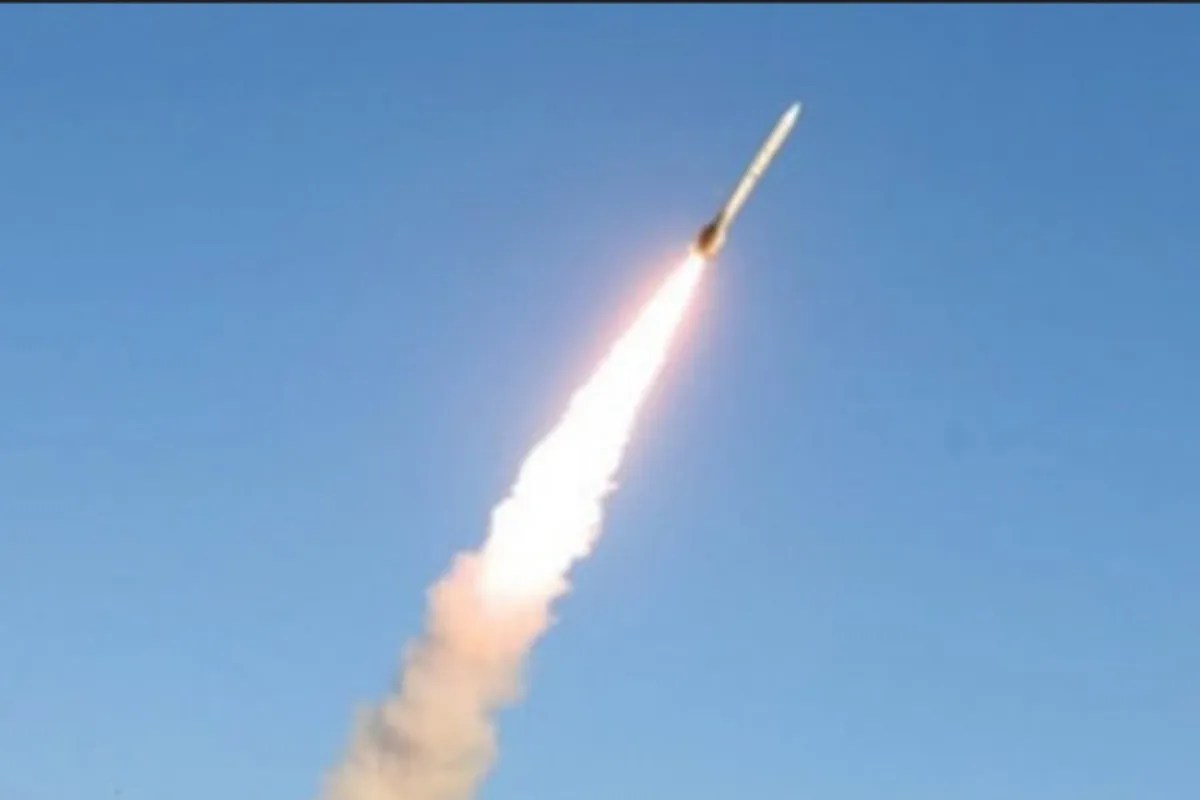
That incident nearly triggered direct retaliatory airstrikes before a last-minute rollback. Fast forward to subsequent escalations, and the pattern repeats. Recent reports from state agencies and regional monitors highlight ongoing engagement involving reconnaissance units and air defense batteries around Qeshm Island, proving that drone warfare remains a primary instrument of friction.
Why Both Sides Keep Pushing the Limits
You might wonder why militaries keep flying vulnerable assets into such a volatile zone. The answer comes down to intelligence gathering and deterrence signaling.
- Information Dominance: The U.S. military needs constant telemetry on Iranian missile batteries, fast-attack craft deployments, and radar upgrades.
- Sovereignty Enforcement: Iran treats its territorial boundaries as an absolute red line, utilizing domestic air defense networks to project power and deter foreign reconnaissance.
- Calculated Risk: Military planners weigh the financial and political cost of losing a drone against the value of the intelligence gathered or the political message sent.
When an intercept happens, it's rarely a random accident. It's usually the byproduct of two opposing doctrines testing each other's response times and rules of engagement.
The Broader Fallout for Regional Security
Every time an asset gets downed near the Strait of Hormuz, global markets twitch. Oil futures react instantly to any hint of a closure in the shipping lanes. Diplomatic channels scramble to prevent local skirmishes from snowballing into open war.
Sanctions usually follow kinetic incidents, accompanied by a fresh cycle of cyber warfare and counter-accusations. Diplomatic mediators like Qatar often step in to prevent total communication breakdowns, but the underlying distrust remains baked into the landscape.
Until diplomatic frameworks find a way to manage maritime and aerial boundaries in the Persian Gulf, Qeshm Island will remain a volatile hotspot where a single miscalculation could rewrite global security overnight.



