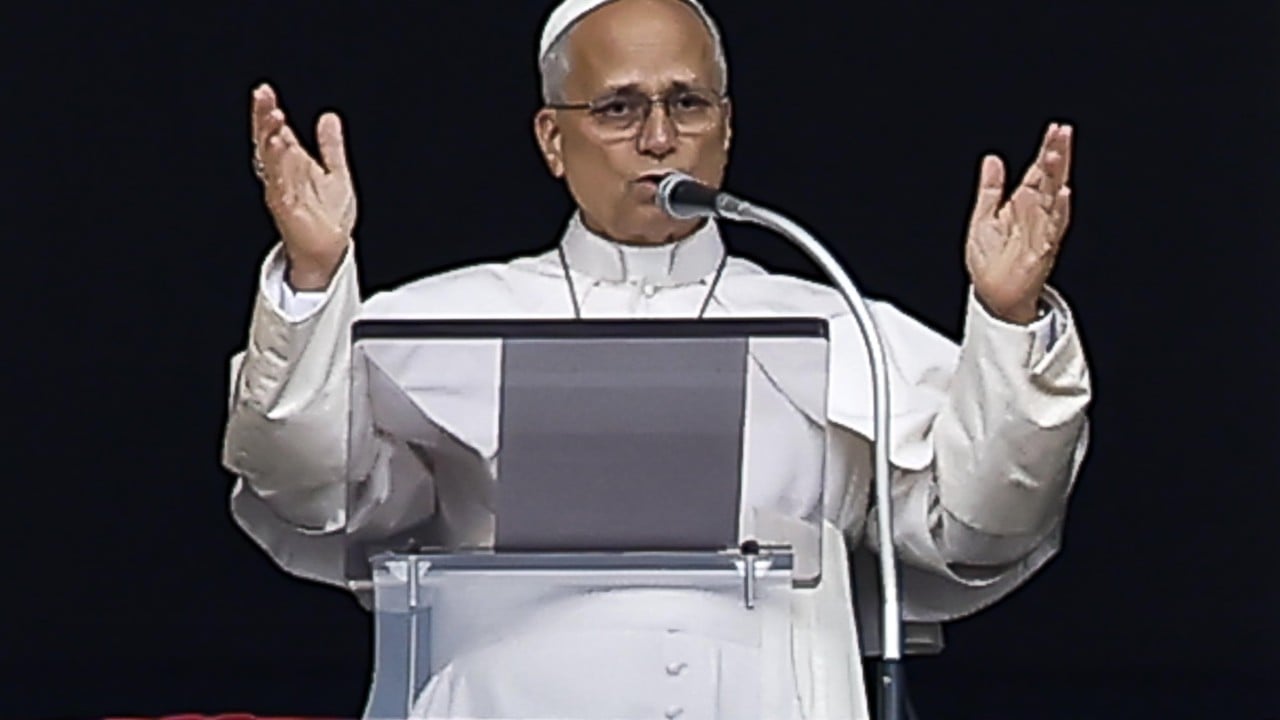
History quietly happened through the postal system. Pope Leo XIV, born Robert Francis Prevost in Chicago, officially submitted his mail-in ballot for the 2026 US midterm elections. That single piece of paper makes him the first sitting pope in Roman Catholic history to participate in a secular democratic election.
The Vatican Press Office confirmed the move on Friday, October 30, framing it as a routine fulfillment of civic obligation. But make no mistake: there's nothing routine about the Bishop of Rome dropping an absentee ballot into the mail bound for Will County, Illinois.
┌─────────────────────────────────────────────────────────────┐
│                 POPE LEO XIV: VOTING PROFILE                │
├─────────────────────────────────────────────────────────────┤
│ Birth Name       : Robert Francis Prevost                   │
│ Birthplace       : Chicago, Illinois                        │
│ Registration     : New Lenox, Will County, Illinois         │
│ Ballot Requested : October 3, 2026                          │
│ Ballot Submitted : October 30, 2026                         │
│ Past Voting      : 2012, 2014, 2018, 2024 General Elections   │
└─────────────────────────────────────────────────────────────┘
The Legal and Civic Mechanics Behind the Vote
How does a sovereign head of state vote in a domestic US election? It comes down to voter registration records and constitutional rights.
Leo, 71, remains a registered voter at his long-held address in New Lenox, Illinois, within Will County. Local election records show he requested an absentee ballot on October 3, 2026, which was subsequently sent to his residence at the Vatican. He completed the ballot and returned it through official channels.
His voting record isn't new. Before his elevation to the papacy, Prevost maintained an active voting history in Illinois, casting ballots in the 2012, 2014, 2018, and 2024 general elections. Official Vatican statements noted that he also routinely voted while serving as a bishop in Peru whenever eligible.
"In keeping with this long-standing practice of civic participation, he has submitted his mail-in ballot," the Holy See stated. "The Holy Father expresses his belief in the right and the duty of citizens to participate in democratic processes."
Breaking Centuries of Vatican Tradition
Popes historically avoid civic elections. The Papacy operates as a sovereign entity through the Holy See, maintaining strict diplomatic neutrality to mediate global conflicts and serve as a unifier for 1.4 billion Catholics across competing political regimes.
When Italian popes led the Church, participating in Italian national elections was considered unthinkable, particularly following the 1870 unification of Italy when popes declared themselves "prisoners of the Vatican." Even after the 1929 Lateran Treaty established Vatican City as an independent state, popes refrained from voting in Italian elections to preserve global impartiality.
Leo's decision shatters that precedent. By casting a vote in a polarising American midterm election, he asserts that holding dual responsibilities—as a spiritual leader and a citizen of a constitutional republic—is not only compatible but necessary.
The Political Context and High Stakes
This vote doesn't happen in a vacuum. It arrives amidst public friction between Vatican leadership and political factions in Washington over humanitarian policy, climate commitments, and global diplomacy.
The Vatican naturally kept the contents of Leo's ballot strictly private. It won't say whether he voted blue, red, or split his ticket down the ballot in Illinois. But the act of voting itself delivers a punchy message about democratic engagement at a time when mail-in voting mechanisms face intense political scrutiny across the United States.
By publicly using a mail-in ballot, the Pope offers a subtle, implicit endorsement of absentee voting procedures. It sends a clear signal to Catholic voters nationwide: civic participation through valid legal means is a moral responsibility.
What This Means for Catholic Voters in 2026
Catholic voters in America have long been a crucial swing demographic, split almost evenly across major political lines. Leo's action reframes how Catholics might view their role at the ballot box.
- Civic Obligation as Faith in Action: The Vatican explicitly described voting as both a "right and a duty." This aligns with Catholic Social Teaching, which emphasizes duty to the common good.
- Normalising Remote Participation: By casting an absentee ballot from Rome, the Pope reinforces confidence in mail-in voting systems used by millions of American citizens abroad and at home.
- Separation of Faith and Party: By keeping his specific choices confidential, Leo models civic duty without tying the Papacy to a specific political party.
Practical Steps for Overseas and Mail-In Voters
If the head of the Catholic Church can navigate casting an absentee ballot from across the Atlantic, any eligible voter can manage the process. Here is how to ensure your vote counts if you're voting by mail or from abroad:
- Verify Your Registration Status: Check your local county election board website to ensure your registration is active and your residential address is up to date.
- Request Your Absentee Ballot Early: State deadlines vary significantly. Submit your request weeks ahead of election day to account for mail delivery times, especially when voting internationally.
- Follow Signature and Sealing Rules Precisely: Read all envelope instructions carefully. Mismatched signatures or missing declarations are the primary reasons mail-in ballots get flagged or rejected.
- Track Your Ballot: Most US states and counties provide online tracking tools so you can confirm when your ballot is received and accepted by local clerks.
Pope Leo's mail-in ballot is already en route to Will County. His vote will be counted alongside thousands of others in northern Illinois, marking a permanent shift in how the modern papacy interacts with democratic citizenship.



