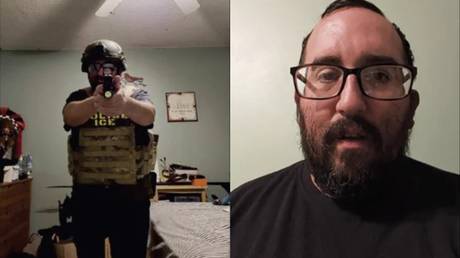
When people call emergency services, they expect protection. They certainly don't expect the responding officers to pull out a mobile phone, record private misery, and trade inappropriate remarks behind closed doors. Yet, recent misconduct findings involving police forces have laid bare a grim reality. Officers entrusted with public safety have repeatedly weaponized their position to mock, degrade, and exploit vulnerable citizens.
The fallout from these investigations isn't just about a few bad apples. It represents a deeper systemic failure in vetting, internal accountability, and ethical enforcement. When watchdogs and oversight bodies label officer conduct as utterly despicable, the terminology matches the severity of the betrayal.
The Anatomy of Institutional Betrayal
Police accountability relies entirely on trust. If a community believes that reporting a crime or seeking help for mental health struggles might result in being covertly filmed or mocked on private messaging groups, that bridge snaps.
Recent inquiries have exposed horrifying patterns of behavior. In multiple instances, officers responding to distress calls or hospital visits captured unauthorized footage of citizens at their lowest points. From individuals struggling with substance abuse to people experiencing acute mental health crises, victims have had their privacy invaded by the very people sworn to protect them.
Sharing these unauthorized clips across private messaging channels creates an echo chamber of toxic culture. It normalizes dehumanization. When supervisors fail to spot or stamp out these habits early, the misconduct escalates from casual disrespect into gross breaches of law and ethics.
Why Internal Discipline Falls Short
Public outrage usually follows when disciplined officers merely face quiet resignations or minor administrative slaps on the wrist. True reform demands immediate dismissal without notice and permanent barring from law enforcement.
Accountability frameworks often struggle because internal units hesitate to expose peer misconduct. Whistleblowing within police culture carries heavy social costs. That's why independent oversight bodies and external investigations remain non-negotiable. Without impartial investigators stepping in to unearth hidden digital evidence, these toxic subcultures would fester indefinitely behind a blue wall of silence.
Restoring Faith After the Breach
Rebuilding shattered public confidence requires more than empty apologies from chief constables. Force commanders need to implement aggressive, proactive digital audits and strict device policies. Officers shouldn't be whipping out personal phones during active calls unless it's strictly necessary for evidence collection.
Transparency must become the default setting. When misconduct surfaces, naming the individuals, publicizing the disciplinary hearings, and explaining exactly how the system failed are vital steps toward healing. Citizens deserve total clarity on how law enforcement intends to purge predatory behavior from its ranks.
Stop treating these incidents as isolated anomalies. Until departments enforce absolute zero-tolerance policies for privacy violations and harassment, the badge will carry a shadow of suspicion that honest officers shouldn't have to bear.
Secret filming exposes misogyny and racism inside London's Met
This video provides additional context regarding undercover investigations and secret filming exposing misconduct within British police forces.