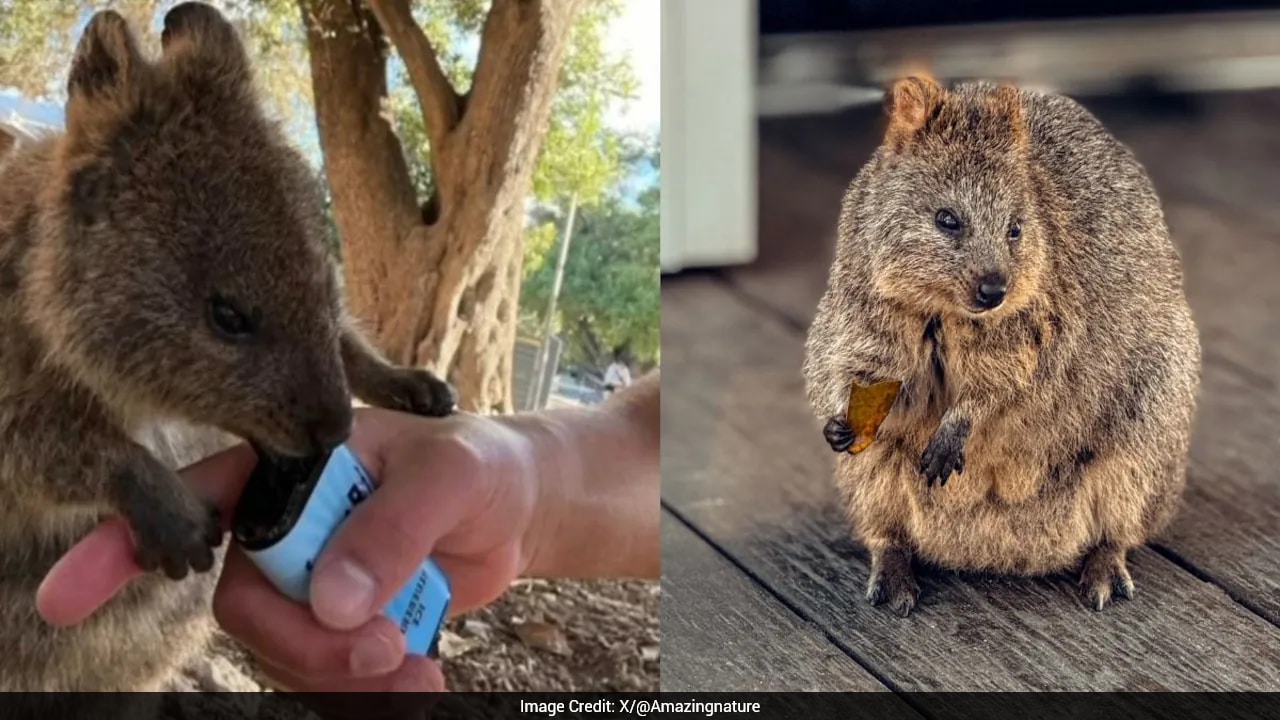
Some people will genuinely risk the health of a defenseless native animal just for a few seconds of internet attention. Western Australian police recently tracked down a 29-year-old man and slapped him with a meager two-hundred-dollar fine after an image surfaced online showing a quokka with a vape pushed right into its mouth.
The photo, captured on Rottnest Island off the coast of Perth, quickly sparked widespread public outrage. Premier Roger Cook publicly condemned the act, and locals took to social media to voice their absolute disgust. But the real conversation isn't just about one guy doing something incredibly dumb. It's about why tourists treating unique wildlife like props remains a persistent, infuriating problem.
The Problem with Rottnest Island Tourism
If you've ever looked up travel spots in Western Australia, you've seen the quokka. Famously dubbed the happiest animals on earth because of their natural facial structure, these small marsupials have an almost complete lack of fear toward humans. On Rottnest Island, they hop around tourist hubs, looking for handouts and leaning into cameras for selfies.
That natural friendliness is their biggest vulnerability. Visitors treat the island like a massive petting zoo instead of a protected Class A reserve. Signs are posted everywhere warning people not to touch, handle, or feed the wildlife. Yet, tourists constantly ignore them. People hand them junk food, chase them down for the perfect shot, and now, apparently, shove chemical-laced vapes into their faces.
A two-hundred-dollar on-the-spot fine feels like a slap on the wrist when you look at the bigger picture. While maximum penalties under wildlife conservation laws can theoretically stretch up to ten thousand dollars for severe harm, minor interference infringements rarely carry enough weight to actually deter clout-chasers. When social media algorithms reward shock value, a two-hundred-dollar penalty is just an expensive cover charge for bad behavior.
Why Quokkas Are So Vulnerable
Quokkas evolved on an island with virtually no native terrestrial predators. Because they didn't develop natural defense mechanisms against dangerous threats, they approach humans with total trust.
When humans abuse that trust, the consequences go way beyond a bad viral post. Quokkas have sensitive digestive systems. Feeding them human food like bread, crisps, or hot chips makes them severely ill. Introducing synthetic chemicals, nicotine aerosol, or vapor directly into their respiratory system is outright cruelty. These animals weigh roughly two to five kilograms. Their small lungs aren't built to process artificial flavorings and chemical concentrates.
Local wildlife officers and conservationists have spent years trying to educate the public. They remind visitors that quokkas are wild animals, not stuffed toys. But every tourist season brings a fresh batch of headlines about someone doing something reckless.
What Needs to Change
A fine distributed after a photo goes viral is reactive policing. It only happens because internet sleuths and outraged locals flag the post first. If authorities want to protect the island's famous population, enforcement needs to be active rather than passive.
More rangers on the ground, higher baseline penalties for touching or harassing protected species, and lifetime bans from the island would send a clear message. Tourists who can't respect basic ecological boundaries shouldn't be allowed to visit in the first place.
Stop treating wildlife habitats like content studios. If you visit Rottnest Island, use your zoom lens, keep your distance, and leave the animals alone.



