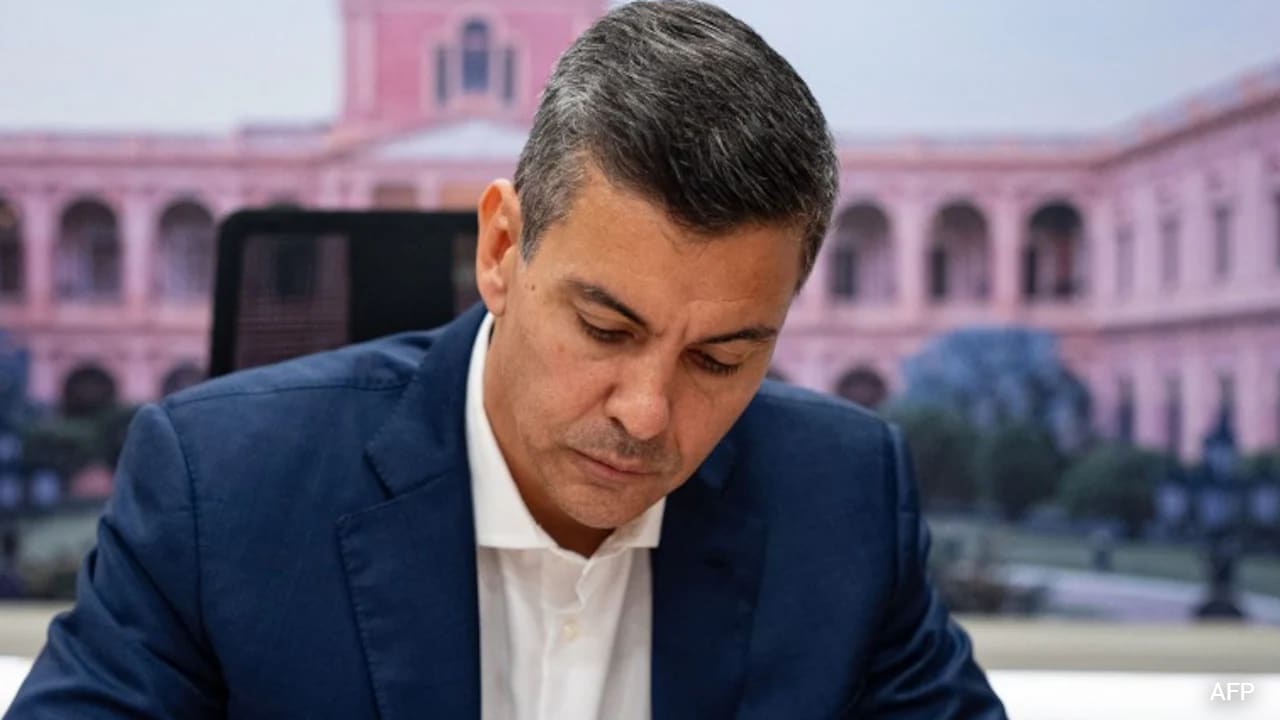
When a financial system unravels, the political fallout hits fast. Paraguayan President Santiago Peña learned this the hard way, stepping down after the sudden collapse of Ueno Bank froze the savings of roughly three million depositors. Protesters flooded the streets of Asunción, tear gas filled the air, and a government built on economic stability crumbled under the weight of frozen accounts and deep public fury.
If you've watched Latin American politics from a distance, Peña’s downfall looks sudden. He was supposed to be the technocrat who kept Paraguay stable, appealing to international investors while driving steady economic growth. But when a digital-first lender that captured over sixty percent of the country's adult population goes under, ordinary citizens don't care about macroeconomic projections—they care about their grocery money.
How Ueno Bank Grew Too Big to Fail and Too Close to Power
Ueno Bank's ascent wasn't subtle. In less than five years, the institution transformed from a relatively quiet finance company into an aggressive digital banking giant. They reeled in customers with catchy cashback offers on everyday purchases, making it a household name across Paraguay. By the time regulators seized the lender in November 2026, roughly a third of the country's population held deposits there.
The trouble wasn't just the rapid growth; it was the political proximity. Peña held a stake in Ueno's holding company until last year, and his administration funneled substantial public funds—including state pension money and health funds—straight into the bank. Around $800 million in public deposits sat in Ueno by late 2025, accounting for a quarter of its total deposits.
When inspectors from the central bank flagged risky insider lending in June, warning that millions had been funneled to companies connected to the bank's owners without sufficient collateral, the warning signs were ignored. Peña publicly dismissed the reports as a smear campaign designed to cause panic. That defense strategy aged terribly.
The Breaking Point and the Streets of Asunción
Trust evaporates overnight when people can't access their cash. When the central bank finally seized Ueno Bank, millions of citizens, small business owners, and pensioners found their accounts locked. Thousands of bank employees faced immediate uncertainty regarding unpaid wages.
Demonstrators gathered outside government buildings in Asunción, chanting slogans and clashing with police forces who deployed tear gas and water cannons. The anger wasn't abstract. It targeted a political elite that appeared insulated from the financial pain inflicted on everyday workers. Facing imminent impeachment proceedings and the loss of support from his own political allies, Peña announced his resignation in a video message, apologizing to citizens and prioritizing national calm.
What Comes Next for Paraguay
Vice President Pedro Alliana stepped in to take the presidential oath, tasked with completing the remainder of the presidential term through August 2028. Yet, swapping the face at the top doesn't automatically restore faith in a damaged financial architecture or fix the missing public funds tied up in the liquidation process.
The crisis exposes a structural vulnerability in how rapidly digitizing economies handle regulatory oversight. When tech-forward financial startups scale faster than the institutional watchdogs can monitor, ordinary people bear the risk. Paraguay's political establishment must now navigate an angry electorate demanding structural accountability, transparent investigations, and the recovery of lost pensions.
Rebuilding trust takes years, but losing it takes a single Tuesday morning. Paraguay is learning that harsh lesson right now.



