Two police officers stood guard for a routine public health mission. They didn't survive the shift.
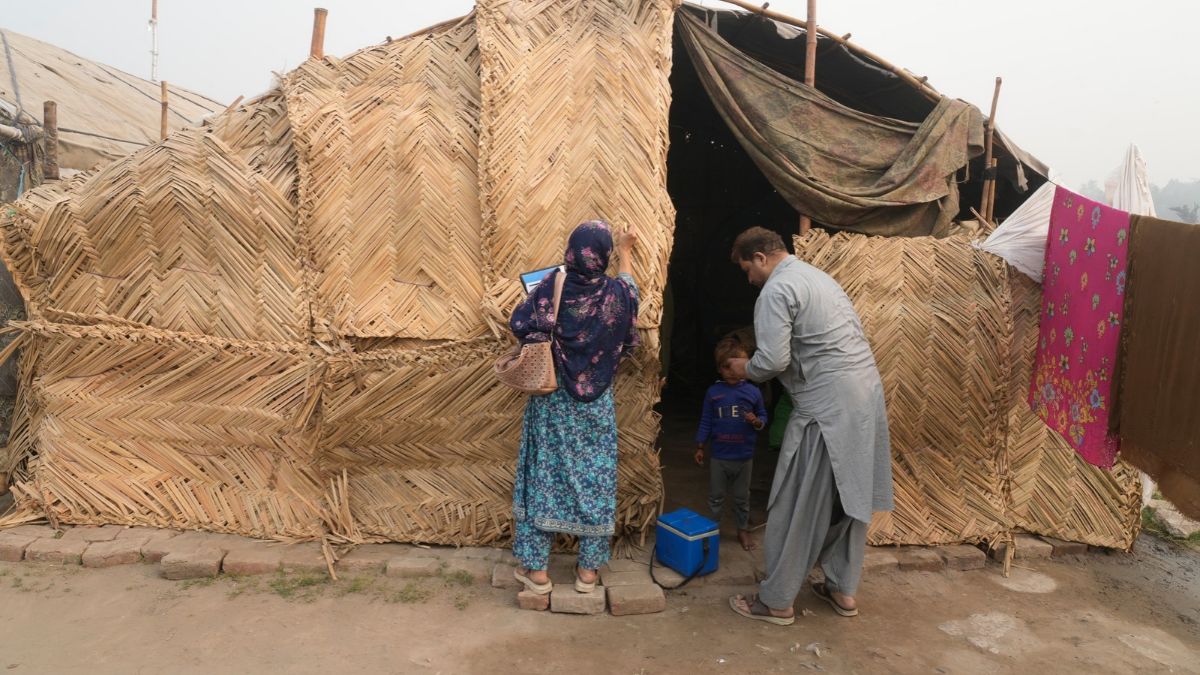
In the Mohmand tribal district of Pakistan's northwestern Khyber Pakhtunkhwa province, gunmen on a motorcycle ambushed police personnel assigned to protect a door-to-door polio vaccination team. Two officers died at the scene, and a third sustained injuries. This tragedy wasn't an isolated mishap. It marks another bloody chapter in a decades-long war against a preventable disease, exposing the brutal cost borne by frontline workers and security forces in the world's remaining polio endemic zones.
If you've ever wondered why eradicating polio has proven nearly impossible in certain regions, look no further than the security nightmare unfolding in Pakistan.
The High Cost of Public Health in Khyber Pakhtunkhwa
Pakistan and neighboring Afghanistan stand alone as the final two countries where wild poliovirus remains endemic. Driving the virus to zero requires reaching roughly 24 million children across 97 high-risk districts. That massive undertaking relies on over 200,000 health workers who walk door-to-door, drops in hand, facing intense hostility.
They cannot work alone. Every single health team requires armed police protection. When those shields fall, the entire infrastructure wobbles.
The attack in Mohmand coincided with a fresh nationwide vaccination push. Just as health officials mobilized millions of doses, violence struck. In separate incidents across the same province, polio workers and team supervisors faced abductions and ambushes. Militant factions, often fueled by conspiracy theories and anti-state agendas, routinely target these campaigns. They frame public health workers as Western spies or intelligence assets, turning drops of oral polio vaccine into a political battlefield.
Understanding the Roots of Anti-Vaccine Violence
Why do militants target medical workers? The hostility is deeply entrenched and multi-layered.
Militant groups operating along the rugged borderlands exploit local grievances, spreading disinformation that the vaccine causes sterility or serves foreign intelligence agencies. These dangerous myths gain traction in marginalized, underdeveloped regions where distrust of the central government runs deep.
When security forces step in to protect health workers, they become primary targets for insurgent groups like the Tehreek-e-Taliban Pakistan (TTP) and splinter factions. These groups use violence to signal resistance against state authority, choosing soft targets like local police and unarmed health volunteers. The psychological impact is devastating. Families hesitate to let workers into their homes, and officers question the safety of assignments that feel like suicide missions.
The Statistical Reality Behind the Headlines
The numbers tell a grim story. Prior to this latest surge, Pakistan already logged eight polio cases for the year, with the vast majority concentrated right in Khyber Pakhtunkhwa.
Each case represents a systemic failure, a child left paralyzed because a vaccination team couldn't safely reach a doorstep. State authorities deploy heavy security, utilize emergency operations centers, and mobilize massive community support. Yet, tactical victories on immunization days are constantly undermined by roadside ambushes and kidnappings.
Protecting the vaccinators has become an ongoing military logistics challenge rather than a simple medical outreach program. Until the state can secure these remote districts and dismantle the propaganda networks fueling the violence, the path to a polio-free world will remain paved with bloodshed.