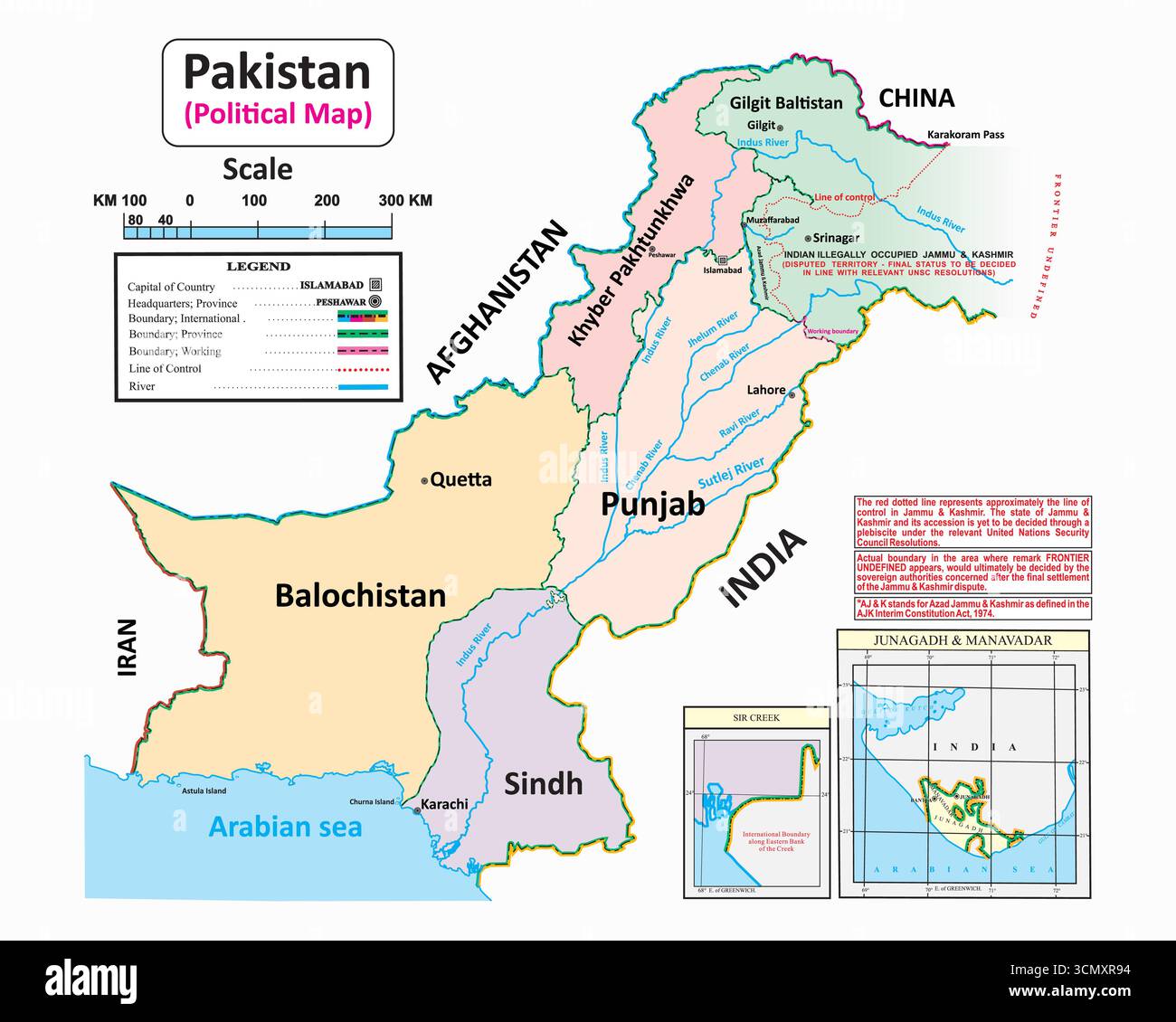
When winter approaches across South Asia, the skies don't just turn gray—they turn toxic. Right now, major urban centers across Pakistan's Punjab province, including Lahore, Multan, and Rawalpindi, are completely suffocating under a thick blanket of hazardous smog. It isn't just uncomfortable haze. It's a full-scale public health emergency that's overwhelming emergency rooms and forcing millions to breathe air that's dozens of times worse than safe international limits.
If you look at the raw numbers, the scale of the crisis becomes terrifyingly clear. Multan recently recorded an Air Quality Index reading shooting past 710, while Lahore hovered around the catastrophic 530 mark. To put that in perspective, an AQI over 300 is considered hazardous for everyone, not just sensitive groups. When cities cross into the 500s and 700s, you're basically breathing active industrial exhaust. Hospitals in Rawalpindi alone reported nearly 3,000 smog-related ER visits within a brutal 48-hour window, mostly elderly residents struggling for air.
The Real Culprits Behind the Toxic Air
Everyone loves to point fingers when the smog rolls in, but the causes are deeply entrenched in local industry, agriculture, and outdated energy practices. The Environmental Protection Department points to a toxic cocktail of factors: brick kilns burning low-grade fuel, unchecked industrial emissions, thousands of smoke-belching vehicles, seasonal crop-residue burning, and the grim practice of melting down discarded tires for black oil extraction.
Traffic plays a massive role here. Thousands of poorly maintained diesel trucks, rickshaws, and cars clog the roads every day, pumping raw soot straight into the stagnant winter air. Because wind speeds drop and temperature inversions trap pollutants near the ground during these months, the air effectively forms a lid over the entire region. Without sudden, heavy rainfall to clear the atmosphere, these toxins just sit there, accumulating day after day.
How People Are Coping on the Ground
Living through a pollution spike of this magnitude changes daily life completely. Medical professionals are scrambling to issue urgent advisories. People are told to keep windows sealed tight during peak morning and evening hours, strap on protective masks the second they step outside, and keep vulnerable children indoors.
Yet, telling daily wage workers or delivery drivers to stay indoors is completely unrealistic. They have to go out and earn a living, breathing in the poison with every single step. Clinics are handing out inhalers and eye drops by the thousands, but medical infrastructure is buckling under the sheer volume of patients suffering from severe asthma attacks, persistent coughing, and burning eyes.
The Broader Regional Reality
Pakistan isn't fighting this battle in isolation. The entire Indo-Gangetic plain shares this geographical curse during late autumn and winter. Meteorological conditions trap pollutants across national borders, meaning local crackdowns alone rarely solve the underlying problem. While provincial authorities scramble to shut down polluting factories and penalize heavy emitters, the structural fixes require massive shifts in agricultural policy, public transport modernization, and cross-border environmental cooperation.
Until those systemic changes happen, millions of residents will keep watching the AQI numbers spike every November, hoping for rain to wash the poison out of the sky.
Protecting yourself means treating air quality like a daily weather forecast. Check the numbers before stepping out, invest in proper N95 or equivalent filtration masks if you live in affected zones, and don't assume a clear-looking morning means the air is safe to breathe.



