For over twenty years, the official line on CIA waterboarding sounded neat and contained. Just three detainees. Just a couple of black sites. Done and dusted.
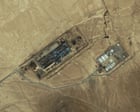
Newly released documents suggest CIA did more post-9/11 waterboarding than previously acknowledged, blowing up that tidy narrative all over again. A batch of declassified records obtained through a Freedom of Information Act lawsuit by The New York Times—stemming from special prosecutor John Durham's 2008 to 2012 investigation—includes a 2012 FBI interview with a former CIA contract linguist. That translator told agents he saw a detainee called "Bahir" strapped to a downward-tilted board with water poured over him inside a tight hallway at the Salt Pit, a secret CIA facility north of Kabul also known as Detention Site Cobalt.
Honestly, anyone who has followed intelligence oversight for years won't be shocked that the official tally looks shaky. What surprises me is how persistent the gap remains between what the agency publicly admits and what shows up in raw records when lawyers finally pry them loose.
The Official Story Was Always Narrow
Publicly, the CIA has long maintained that it waterboarded three high-value detainees: Abu Zubaydah, Khalid Shaikh Mohammed, and Abd al-Rahim al-Nashiri. Official accounts also pointed to specific overseas black sites—such as facilities in Thailand and Poland—as the settings where simulated drowning took place. Reuters has provided coverage on this critical topic in great detail.
That framing mattered politically and legally. If waterboarding was rare, tightly controlled, and restricted to a handful of top al-Qaida figures at specific locations, leaders could argue it was an extraordinary measure used sparingly during a crisis.
Look closely at the new FBI summary, though, and the neat boundaries blur. The linguist reported seeing roughly three to four people carrying out the waterboarding in a hallway where space was tight. He said he walked past the scene rather than taking part himself. In the interview, he identified "Bahir" as a relative of Gulbuddin Hekmatyar, a former Afghan prime minister—a detail that aligns with CIA records involving Ghairat Bahir, captured during a 2002 raid in Islamabad and subjected to harsh interrogation methods.
Why This Isn't Really a Brand-New Pattern
If you treat this single FBI memo as an isolated bolt from the blue, you miss the bigger picture. Investigators and human rights researchers have questioned the three-detainee ceiling for more than a decade.
Take the Senate Select Committee on Intelligence report on CIA detention and interrogation, released in summary form in December 2014. That massive review documented that the program was far harsher and less tightly controlled than the CIA had let on. It also noted instances where detainees faced water-based abuse or where physical structures resembling waterboarding equipment turned up at sites in Afghanistan—details that raised tough questions about whether simulated drowning happened more broadly than official summaries admitted.
Human rights groups had also raised alarms years earlier. Human Rights Watch documented detainee accounts alleging water torture in Afghanistan that clashed with the agency's narrow count.
So why does a 2012 FBI interview surfacing in late 2026 still matter? Because corroboration from inside the machinery—even from a contractor passing through a hallway—adds texture that policy debates often flatten. It shows an operational reality on the ground that was messy, improvised, and frequently hidden from public view.
What Oversight Gaps Keep Letting Details Trickle Out
When you dig into how post-9/11 interrogation records were handled, three structural problems jump right off the page:
- Delayed releases through litigation: Critical records rarely come out on a clean schedule. Journalists and transparency groups often spend years fighting redactions and exemptions in court before raw witness summaries see daylight.
- Prosecutorial dead ends: Durham's multi-year probe examined both interrogation practices and the 2005 destruction of CIA videotapes showing waterboarding sessions, yet ended without criminal charges. When cases close without trials, witness interviews can sit out of public sight for a long time.
- Contractor footprint: Outside contractors played a huge role in running and supporting detention operations. Linguists, psychologists, and interrogators moved through facilities and observed things that weren't always neatly captured in sanitized headquarters summaries.
The Debate Over Utility and Accountability Hasn't Faded
Whenever new torture records surface, two arguments collide immediately. Supporters of the post-9/11 program argue that extreme pressure yielded actionable intelligence and helped disrupt plots against the United States. Critics—backed by the Senate intelligence committee's core conclusions and medical experts—counter that brutal methods produced unreliable information, violated legal and moral standards, and caused severe psychological and physical harm.
What's indisputable is the credibility cost. Every time declassified files contradict earlier assurances about scope or location, public trust takes another hit. You can't ask citizens to trust secrecy claims on faith when past secrecy masked practices far wider than advertised.
At the same time, we should be careful not to overread a single witness summary. An FBI agent's 2012 notes recounting what a contract translator remembered seeing in passing years earlier is an important piece of evidence, not the final word on every detention cell in Afghanistan. Real history requires weighing each document against the rest of the record without inflating or ignoring what's there.
Practical Steps If You're Researching or Following These Releases
If you want to track declassified intelligence records without getting lost in spin or rumor, start with primary sources rather than second-hand hot takes. Read the underlying declassified filings released through FOIA dockets, cross-check names and dates against the Senate intelligence committee study, and note where records are heavily redacted or summarized secondhand by investigators. Keep a running log of dates, facilities, and witness roles so you can spot genuine new facts versus old claims recycled under a fresh headline.



