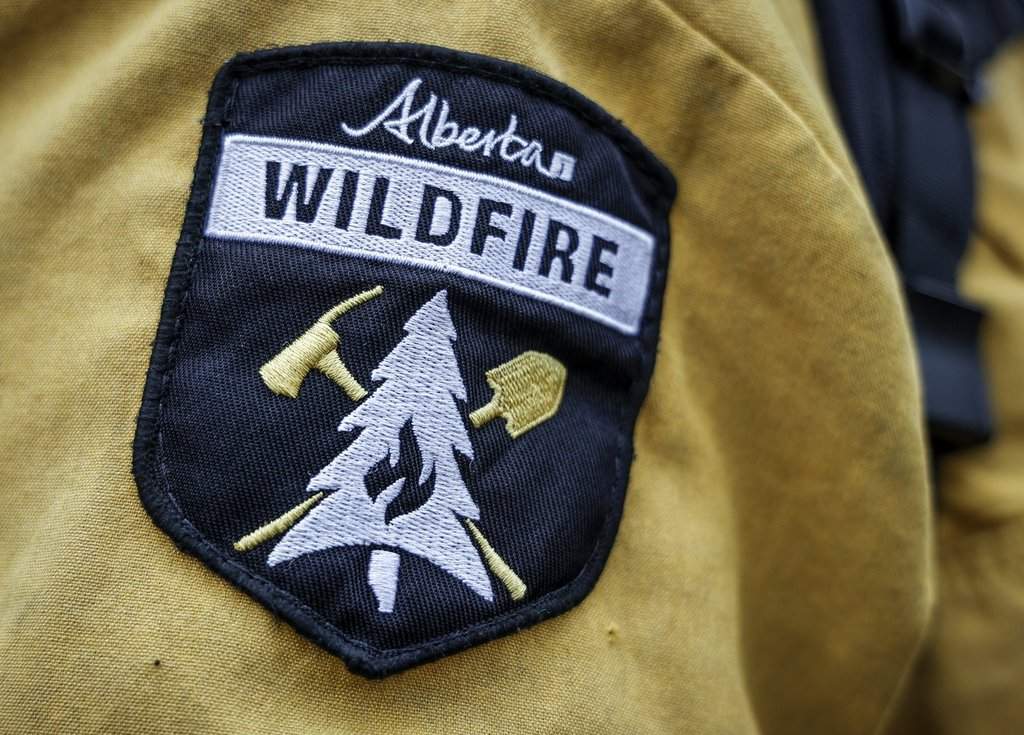
Winter in Alberta used to mean snow-packed yards, frozen soil, and a collective sigh of relief from firefighters. That script has flipped. When unseasonable warmth, bone-dry vegetation, and howling winds collide in late autumn, the result isn't cozy sweater weather. It's a string of emergency fire advisories stretching from Calgary up to Grande Prairie.
Even though the official provincial wildfire season wrapped up on October 31, the environment didn't get the memo. Pockets across the province are dealing with a high-risk landscape that looks more like July than November. If you assume the danger vanishes just because the calendar page turns, you're missing how drastically regional weather patterns are shifting.
The Dry Reality Behind the November Heat
The root of this late-season threat comes down to a stubborn lack of moisture paired with stubborn heat. While places like Grande Prairie caught a brief break with early autumn rain, subsequent precipitation has been virtually non-existent.
The numbers tell a stark story. Edmonton has scraped by with roughly 58 percent of its normal fall precipitation, while Calgary sits only slightly better at 67 percent. Combine those deficits with above-seasonal daytime temperatures, and you get a recipe for cured grass and parched timber that ignites at the slightest provocation.
When you add high-velocity winds into the mix—such as gusts topping 119 km/h recorded in areas like the County of Newell—even a small spark transforms into a fast-moving hazard. Dry grass acts like kindling. Once a flame touches cured vegetation in these winds, it outpaces human reaction time in minutes.
Why Official Season End Dates Mean Nothing Now
The provincial government officially drops the requirement for fire permits within the Forest Protection Area on November 1. Historically, this date signaled that the ground was cold enough and wet enough to suppress runaway flames naturally.
That administrative cutoff is increasingly out of touch with ecological reality. Climate indicators and shifting winter dynamics mean that open grassland and forested corridors remain vulnerable year-round. Chinook winds, which sweep warm, dry air down the eastern slopes of the Rockies, can strip away any temporary snow cover overnight and drop relative humidity to dangerous lows.
Municipalities are learning this the hard way. Calgary, the Municipal District of Bighorn, Cardston County, and Lethbridge County have all had to issue independent fire advisories or restrictions long after the statutory wildfire season ended. These aren't bureaucratic overreactions. They're forced responses to real-time ground conditions that municipal fire chiefs cannot ignore.
What Property Owners Keep Getting Wrong
Most people think fire safety rules only apply during long weekends in July and August. In November, homeowners drop their guard. They assume yard cleanup, burning old brush piles, or tossing a cigarette butt onto dry boulevard grass carries zero consequence.
That complacency is dangerous. Under current advisories, burning yard or construction waste is heavily restricted or outright banned in many jurisdictions, and open fires are strictly prohibited when sustained winds exceed 15 km/h.
If you're clearing property or burning debris during a balmy November afternoon, you are entirely legally and financially liable for any runaway ember. Fire officials stress basic common sense that many forget once winter approaches:
- Keep a pressurized water hose or a heavy-duty bucket immediately accessible near any permitted heat source.
- Double-check that all campfires or burn barrels are drowned out completely, leaving zero residual heat beneath the ash.
- Postpone outdoor burning entirely whenever wind flags or local weather stations report gusts over 15 km/h.
Check the Alberta Wildfire Status Dashboard or local municipal pages before striking a match or using outdoor equipment that throws sparks. Treating November like a fire-free zone is a gamble the landscape no longer supports.