The skies over the Korean Peninsula are getting loud again. North Korea just fired a fresh barrage of ballistic missiles toward the sea, and if you've been watching the region for more than five minutes, you know this routine all too well. Sirens ring out in Seoul, intelligence analysts scramble to parse telemetry data, and state media in Pyongyang issues blistering rhetoric about impending defense actions. But beneath the familiar cycle of provocation lies a shifting geopolitical chessboard that looks radically different than it did a few years ago.
The Immediate Flashpoint
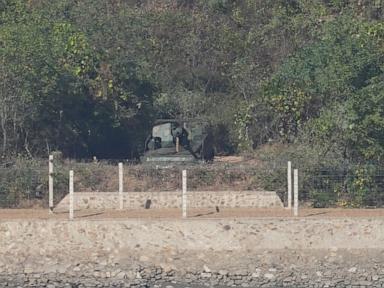
South Korea's Joint Chiefs of Staff confirmed the latest launches, which follow weeks of escalating friction along the heavily fortified border. Pyongyang had recently threatened to resume front-line propaganda loudspeaker broadcasts and deploy new offensive hardware right up against the demarcation line.
You aren't seeing random noise here. Every missile test is calculated theater backed by lethal engineering. North Korean leader Kim Jong Un isn't just reacting to routine military exercises or diplomatic snubs; he is actively testing the limits of regional patience while managing a complex web of foreign alliances.
Shifting Alliances Behind the Tests
Let's talk about what most mainstream wire reports gloss over: Pyongyang's diplomatic balancing act. For a long time after the Ukraine conflict kicked off, North Korea leaned heavily into a transactional partnership with Moscow, supplying troops and munitions. That pipeline bought them crucial economic and military breathing room.
Yet, recent diplomatic signals point to a recalibration. Kim has quietly taken steps to repair and bolster ties with Beijing, China remaining Pyongyang's indispensable economic lifeline. Balancing Beijing's cautious desire for regional stability against Moscow's wartime demands requires a delicate touch. Throwing a missile barrage into the sea is a classic way to remind everyone in the neighborhood who holds the trigger.
Why the Border Standoff Is More Dangerous Now
We have seen psychological warfare on the inter-Korean border for decades. Leaflet drops, balloon campaigns, and booming loudspeaker broadcasts echoing across the demilitarized zone usually feel like relics of the Cold War. But when combined with hypersonic missile tests and submarine-launched cruise missile developments, these low-tech provocations create a volatile cocktail.
Seoul has tried opening diplomatic doors, proposing talks to clarify border protocols and prevent accidental military clashes. Pyongyang has basically left those offers sitting on read. When one side refuses to pick up the phone while upgrading its short-range and intermediate delivery systems, the margin for error shrinks to zero.
What Happens Next on the Peninsula
Don't expect the saber-rattling to stop anytime soon. North Korea's defense modernization timeline dictates continuous testing, regardless of international condemnation or UN sanctions. Seoul and Washington will respond with expanded joint military deterrents, locking the region into a permanent security dilemma.
The real danger isn't the missiles landing harmlessly in international waters. It's the moment a miscalculation on a tense border turns a war of words into something much worse. Keep your eyes on the border zones, because that is where this story will actually break.



