Political parties love pointing fingers when elections go sideways. It is basically a time-honored tradition in Washington. Lose a crucial contest, and the blame machine immediately kicks into gear.
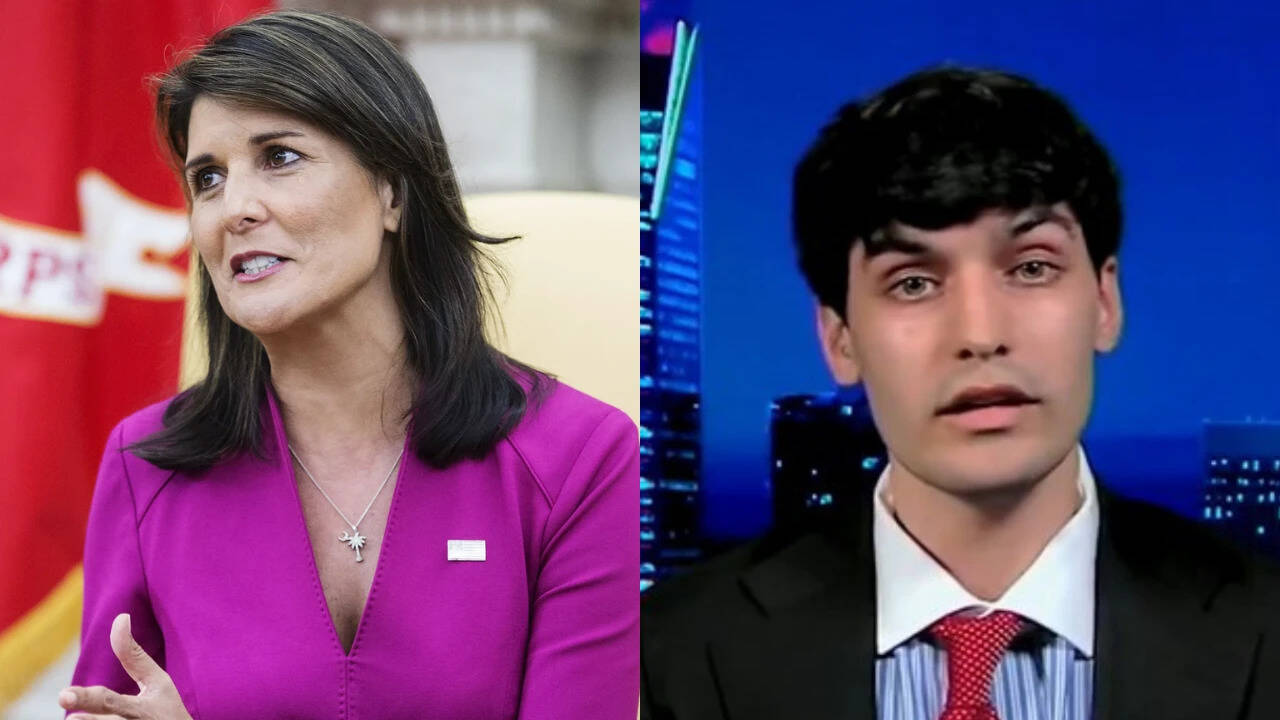
Former U.N. Ambassador Nikki Haley recently called out her own party for doing exactly that after stinging midterm losses, telling Republicans they need to drop the excuses and face reality. Her son, Nalin Haley, backed her up with an even blunter assessment. When your own family members are calling out political incompetence on morning television, you know the post-mortem is going to be brutal.
The Excuse Factory Needs to Shut Down
For years, the GOP playbook relied heavily on blaming outside cultural forces for electoral setbacks. Whenever voters reject conservative candidates, party strategists often point fingers at left-leaning media outlets, universities, and Hollywood studios.
Nikki Haley argues that this strategy is not just lazy—it is factually wrong.
During an interview on NBC, she pointed out a glaring flaw in that logic. Those cultural institutions haven't magically turned conservative overnight. They opposed Republicans for decades, yet the party still managed to win major elections in the past.
If Hollywood and academia were losing battles yesterday and winning them today, the problem isn't Hollywood. The problem is what the party is putting on the ballot and how disconnected its leadership has become from everyday economic pain.
Listening to Washington Instead of Voters
When you talk to regular people at grocery store checkout lines or gas stations, nobody is complaining about high-level DC talking points. They are worried about the cost of housing, skyrocketing grocery bills, and medical expenses that wipe out savings accounts.
Haley diagnosed the core failure bluntly. Republicans didn't lose because of a biased media landscape. They lost because they stopped listening to kitchen-table concerns and started catering to internal DC drama and self-dealing elites.
When voters hand a party control of the White House, Senate, and House, they expect concrete action on pocketbook issues. If that majority squanders its mandate on tone-deaf priorities, voters notice. And in an election, they punish complacency.
The Family Consensus
Nalin Haley added fuel to the fire, arguing that Democrats did not actually win the midterms on sheer brilliance—Republicans simply lost it.
His assessment hit hard because it resonated with a frustrated base. When a party holds sweeping power and delivers little of substance to working-class families, voters stay home or vote out of sheer exhaustion. Electing someone just to keep the opposing party out of office stops working when people feel completely ignored by both sides.
The message from the Haley camp is clear. Whining about cultural bias won't fix inflation, and complaining about institutional headwinds won't lower gas prices.
What Comes Next
Political corrections require brutal honesty. Haley urged her party to take its medicine, get some sleep, and completely reset its strategic focus before the next cycle rolls around.
Electorates are volatile. Shifts happen fast when people feel their economic security is slipping away. But winning back trust takes more than just catchy campaign slogans. It requires showing up with practical solutions for the cost of living and actually following through once elected.
Both political parties should take note. If leaders spend all their energy celebrating victories or blaming cultural bogeymen, they will find out just how quickly voters can change their minds.