People love simple narratives. A bad leader departs, and everything transforms overnight.
If Benjamin Netanyahu loses power, many assume an immediate shift for Palestinians follows. Reality is messier. Israeli politics doesn't operate in a vacuum. A change at the top doesn't erase decades of entrenched policy, security doctrines, and institutional momentum.
Let's look past the political theater. What actually happens if Netanyahu exits the stage, and what stays exactly the same?
The Structural Illusion of Israeli Politics
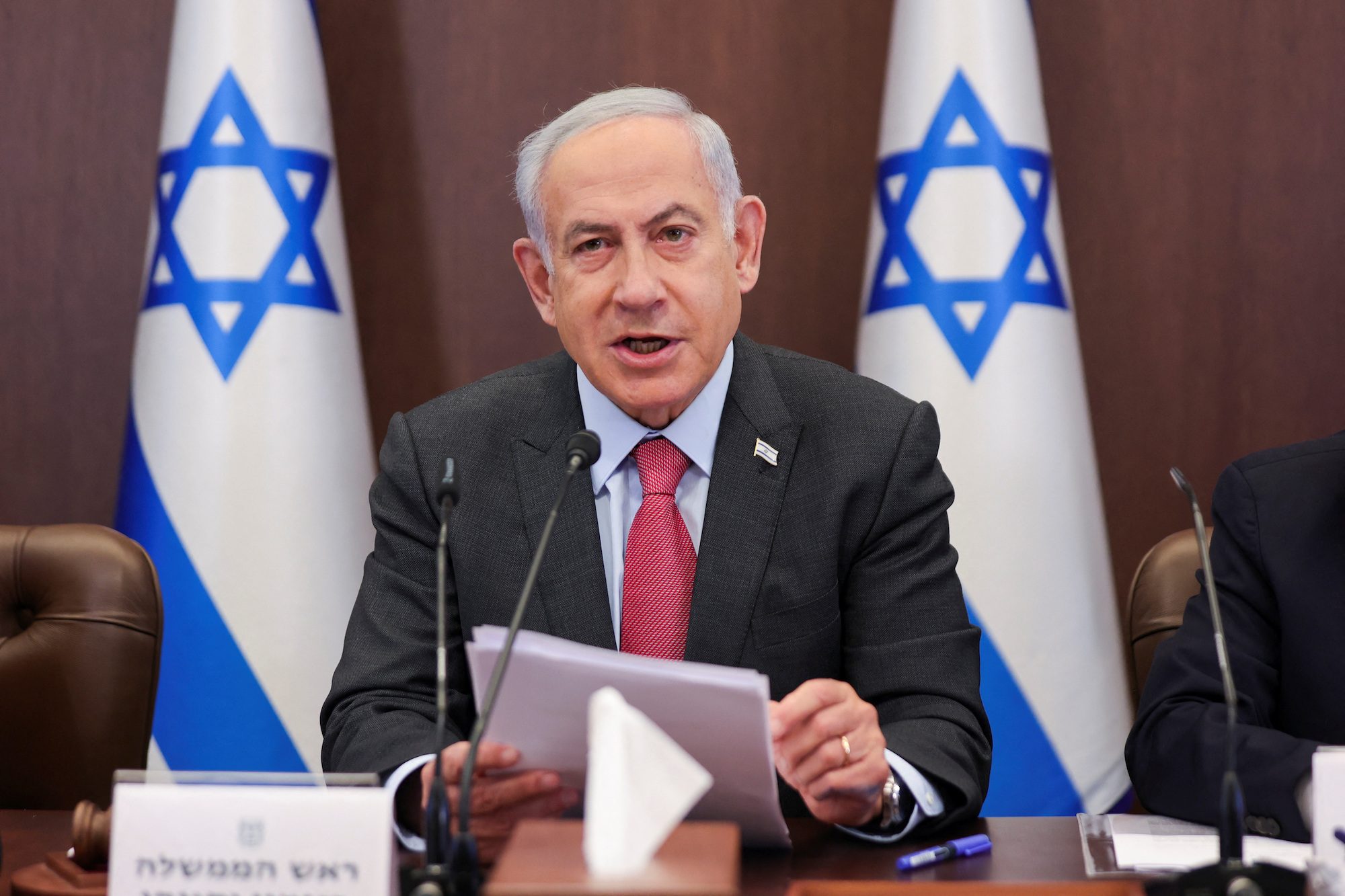
It’s tempting to blame one man for an entire apparatus. Netanyahu has dominated Israel's governance for longer than most modern leaders, steering the country rightward and hardening its stance on Palestinian territories.
Yet, Israeli coalition dynamics mean no prime minister rules alone. Even if Netanyahu loses an election, his successors often inherit a military and intelligence establishment bound by deep-seated security paradigms. The security consensus inside Israel spans across parties.
When you examine the broader political spectrum, left-of-center or centrist alternatives don't necessarily champion Palestinian statehood. Many alternative figures share the same security mindset. They might tone down the rhetoric. They might avoid inflammatory public statements. But changing tone isn't the same as dismantling settlements, lifting blockades, or ending military occupation.
What Shifts on Day One
Surface changes happen quickly. International diplomacy breathes a sigh of relief. Foreign ministers in Washington, London, and Brussels send warm congratulatory notes to the new coalition.
Relations with Western allies smooth out. Tensions over public messaging decrease. A new administration might ease minor economic restrictions, permit slightly more work permits, or release frozen tax revenues to the Palestinian Authority to prevent administrative collapse.
These gestures matter to daily survival. They keep lights on and groceries stocked. But they remain palliative measures. They treat symptoms while ignoring the structural disease.
The Unchanged Reality in the West Bank and Gaza
Look at the ground. Settlements keep expanding. Road networks segment the West Bank into disconnected enclaves. Outposts multiply with tacit state backing.
A post-Netanyahu government—especially one reliant on right-wing or nationalist kingmakers—faces internal political suicide if it orders wide-scale settlement evacuations. No Israeli leader wants to risk civil unrest or military rebellion by forcibly removing tens of thousands of settlers.
In Gaza, the devastation and humanitarian crisis require monumental reconstruction efforts regardless of who sits in the prime minister's office. A new leader inherits a destroyed infrastructure, a displaced populace, and an unresolved security dilemma. The Israeli military establishment maintains operational control over borders, airspace, and maritime zones. A change in the Knesset doesn't automatically translate to freedom of movement or sovereignty for Palestinians.
The Role of the Palestinian Authority
Internal Palestinian politics complicate the equation further. The Palestinian Authority faces its own legitimacy crisis. Decades without national elections have eroded public trust.
If Israel experiences a leadership shakeup, the Palestinian Authority often lacks the unified political capital to capitalize on it. Fragmented leadership weakens diplomatic leverage. Without a cohesive strategy uniting various factions, any external political opening in Israel goes unused.
External actors keep urging reforms within Palestinian governance. Yet, meaningful change requires structural renewal from within, alongside international pressure that goes beyond empty declarations.
Moving Beyond False Hope
Waiting for a specific Israeli politician to lose power as a primary strategy for liberation ignores hard historical lessons. Administrations come and go in Tel Aviv. The occupation persists.
Real transformation demands structural pressure, international accountability, and unified internal strategy. Don't mistake a change in leadership for a change in policy. Keep your eyes on actions, not election results.