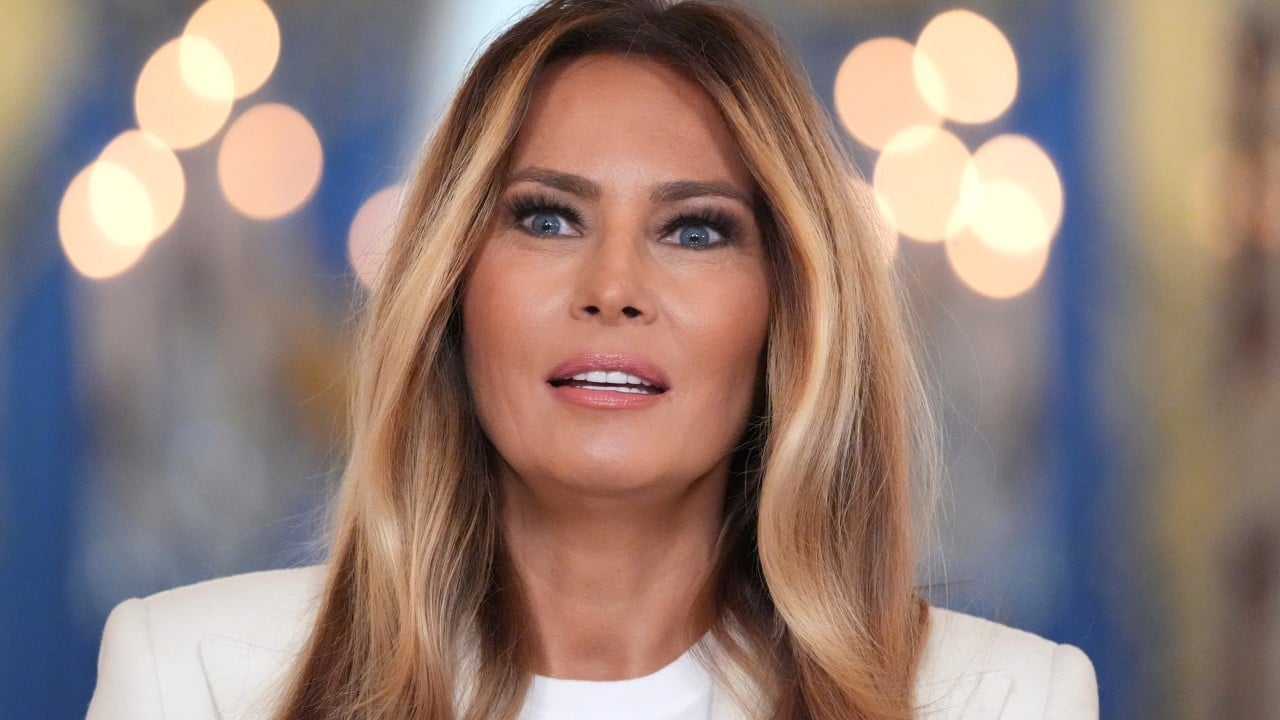
Diplomacy usually looks like grim-faced men in tailored suits shouting across conference tables. But politics in 2026 just threw a massive curveball. First Lady Melania Trump recently stepped directly into the Russia-Ukraine war zone—metaphorically speaking—by hosting high-level delegations from both Moscow and Kyiv right inside the White House.
Most political analysts didn't see this coming. For years, peace talks have been stuck in a perpetual loop of posturing, rhetoric, and zero-sum demands. Yet, following a surprisingly successful six-day humanitarian ceasefire in the Russian-occupied southern city of Oleshky, delegations sat face-to-face in Washington.
If you think this is just a superficial photo-op, look closer. This moment signals a shift in how back-channel negotiations are taking place, and it highlights a rare diplomatic win that deserves a hard look.
Behind the Oleshky Ceasefire Breakthrough
To understand why these officials walked into the White House, you have to look at what happened on the ground in Oleshky. Located in the Kherson region across the Dnipro River, the city has faced brutal frontline conditions ever since the 2022 invasion. Following the destruction of the Kakhovka Dam, the area suffered catastrophic flooding, leaving roughly 2,000 residents stranded, isolated, and on the brink of starvation without reliable water, power, or medical supplies.
Melania Trump reportedly got involved after learning about the severe humanitarian crisis in September. Working through channels that bypassed traditional state department bottlenecks, a localized six-day ceasefire was hammered out.
The numbers tell the story:
- Nearly 800 civilians were safely evacuated from the danger zone.
- Vital humanitarian aid finally reached people who had been cut off for years.
- It marked the longest multi-day localized pause in fighting since the full-scale conflict began.
It was modest, yes. But in a war defined by total intransigence, any pause that saves real human lives is a major deal.
The White House Summit and the Power of Personal Letters
When Russian and Ukrainian envoys arrived at the White House, the atmosphere wasn't your standard diplomatic cold war. Ukrainian representatives formally presented the First Lady with the Order of Princess Olga, first class—an honor awarded directly by President Volodymyr Zelenskyy.
Instead of hiding behind generic talking points, Melania Trump used her platform to push for something bigger. She called on both nations to turn a temporary humanitarian pause into a more enduring framework.
"Let us see Oleshky as a spark in a world of darkness, capable of illuminating the best in humanity," she told the assembled delegates.
In a striking theatrical gesture at the end of the meeting, she handed sealed personal letters addressed to Vladimir Putin and Volodymyr Zelenskyy, tasking the senior officials with delivering them safely to their respective presidents. Whether those letters change the geopolitical calculus remains to be seen, but they established a personal line of communication that professional diplomats have struggled to maintain for years.
What This Means for Future Peace Talks
Skeptics will point out that the Oleshky truce expired without an immediate extension, and violent realities quickly returned to other parts of the front line. Geopolitics doesn't rewrite itself overnight because of a single White House gathering.
However, ignoring this meeting is a mistake. Both Moscow and Kyiv are signaling a willingness to engage through unconventional diplomatic conduits to keep Washington's volatile political machine onside. Furthermore, these localized humanitarian wins—including ongoing efforts regarding child reunifications—lay down small procedural tracks that larger peace negotiations will eventually need if a lasting settlement is ever reached.
Trilateral talks are already slated for Abu Dhabi. They will test whether the goodwill generated in Washington can survive the brutal
Why Melania Trump Hosting Russian and Ukrainian Officials Changes the Diplomatic Playbook
news
Diplomacy usually looks like starched shirts, endless closed-door briefings in Geneva, and rigid protocols that take months to schedule. Then you have former US first lady Melania Trump stepping directly into the geopolitical arena, playing host to high-ranking officials from both Ukraine and Russia in a push for a lasting truce. Most pundits missed the real story here. They laughed it off as a social photo-op or a rogue side project, but it signals a massive shift in how backchannel peace talks might actually happen moving forward.
When you look past the headlines about who sat where, the core issue is simple. Traditional statecraft has flatlined. Years of multilateral summits and bureaucratic negotiations haven't stopped the bleeding on the ground, leaving room for unconventional diplomatic avenues. Melania Trump entering the fray isn't just about soft power. It is about bypassing the institutional gridlock that keeps the war grinding on day after day.
Let's break down why this specific meeting matters, what the critics get wrong, and how private diplomacy is rewriting the rules of modern conflict resolution.
The Reality Behind Backchannel Diplomacy
Official channels are broken. When governments are entrenched, public posturing takes over. Every press conference becomes a performative display meant for domestic voters rather than a genuine attempt at compromise. That is where private engagements change the math.
By hosting representatives from Kyiv and Moscow away from the glare of UN assemblies, the environment shifts. People drop the rehearsed soundbites—at least momentarily—to talk about logistics, security guarantees, and what an actual cessation of hostilities looks like on the ground.
Critics call it amateur hour. They argue that un-elected figures shouldn't meddle in foreign policy. But that criticism ignores history. Private citizens, former officials, and high-profile spouses have historically broken deadlocks precisely because they don't carry the formal weight of state ultimatums. They can test ideas that an active cabinet minister could never float without looking weak.
What a More Enduring Truce Actually Requires
Melania Trump’s public calls for a "more enduring truce" point to a fatal flaw in past ceasefire agreements. Temporary pauses in fighting usually just give both militaries time to rearm, reposition artillery, and mine more fields. Nobody wants a fragile 48-hour holiday ceasefire that collapses into heavier shelling by Tuesday morning.
An enduring truce needs teeth. It requires enforcement mechanisms that neither side can easily ignore, along with humanitarian corridors that actually function.
- Demilitarized zones monitored by neutral third parties rather than partisan actors.
- Guarantees on grain shipments and civilian infrastructure protection that stay intact regardless of battlefield shifts.
- Clear diplomatic off-ramps that tie territorial discussions to long-term economic normalization.
If you don't build these pillars into the initial framework, you are just writing a pause button into a permanent war. Both Ukraine and Russia know this, which is why the debate has shifted from whether to talk, to who can broker a framework that survives contact with reality.
The Strategic Shift in American Influence
We are seeing a redefinition of America's role on the international stage. The old playbook relied exclusively on the State Department and formal alliances like NATO speaking with one unified, rigid voice.
Today, influence is decentralized. Figures outside the current administrative machinery can operate with a agility that professional diplomats envy. They can travel without declaring a formal policy shift. They can listen to grievances from both sides without being accused of officially ratifying them.
This creates friction. Career diplomats hate losing control of the narrative. Yet, when conventional paths yield a stalemate, disruption is the only thing left that works.
Moving Forward Without Illusion
Nobody should pretend a single dinner or high-level chat is going to sign away a peace treaty. Wars of this scale end through exhaustion, changing economic realities, and relentless pressure from unexpected corners.
The significance of these talks isn't that they solved the crisis overnight. It is that they cracked open a door that was welded shut by years of mutual hostility. When conventional power structures fail, unconventional players step in.
Keep an eye on how the official diplomatic corps reacts in the coming weeks. Their resistance will tell you everything you need to know about how threatened they feel by outside problem-solvers changing the game.



