Prime Minister Mark Carney's recent trip to Yorkton, Saskatchewan, wasn't about playing it safe. It is rare for a sitting federal leader to spend valuable campaign hours in a riding that has voted conservative for three straight decades. Yet, with the December 7 byelection approaching, Carney touched down on the prairies to back local Liberal candidate and Yorkton Mayor Aaron Kienle.
If you look strictly at historical voting patterns, this race looks unwinnable for the federal Liberals. The Conservatives, Canadian Alliance, and Reform parties have held Yorkton-Melville since 1993, consistently taking over 50 percent of the vote. In the 2025 federal election, the Liberal share here sat below 15 percent. Realistically, nobody expects an overnight political earthquake.
So why is Carney bothering? Politics rarely follows a single-track strategy.
Playing the Long Game on the Prairies
Saskatchewan has long been hostile territory for federal Liberal campaigns. The party was shut out entirely in the province during the 2019 and 2021 federal races, managing to break that drought with a single seat victory in 2025. Walking into this environment requires thick skin and a calculated mindset.
Political analysts point out that even if Yorkton-Melville stays blue, a high-profile prime ministerial visit changes the local dynamic. Dan Arnold, chief strategy officer at Pollara Strategic Insights, notes that showing up builds groundwork for future contests. Momentum in urban pockets like Regina and Saskatoon might shift over time, but rural foundations require physical presence to crack. Showing voters outside major metropolitan hubs that the federal government remembers they exist matters, regardless of the immediate scoreboard.
The Local Matchup in Yorkton-Melville
The seat opened up following the departure of longtime Conservative MP Cathay Wagantall, who stepped down in September. The Conservative Party tapped Nelson Pohl to keep the streak alive, while the Liberals countered with Aaron Kienle, a familiar municipal face.
Kienle's pitch centers on local connection and municipal delivery. He argues that having a mayor who understands how to pull levers inside the current administration offers a direct pipeline for community funding. On the other side, Pohl carries the heavy historical momentum of a region that views federal Liberal policies with deep skepticism.
Carney's message during his stop outside the Deer Park Golf Course leaned heavily into a rebrand of how Ottawa operates. "We're doing things differently," Carney told supporters, framing the vote as a crucial inflection point for the region.
What This Means for the Wider House
Carney called six federal byelections across Ontario, Quebec, and Saskatchewan for December. While the Liberal minority or slim majority isn't hanging by a thread on this specific rural Saskatchewan contest, every seat counts when you want to insulate your caucus against unexpected defections or tight parliamentary votes.
More importantly, these regional tests arrive on the heels of renewed trade friction and economic shifts. When Carney's government previously tested public sentiment through summer byelections, the results provided a morale boost and a sign of public alignment with federal strategies. Dropping into Saskatchewan signals confidence, or at least a refusal to write off any Canadian postal code entirely.
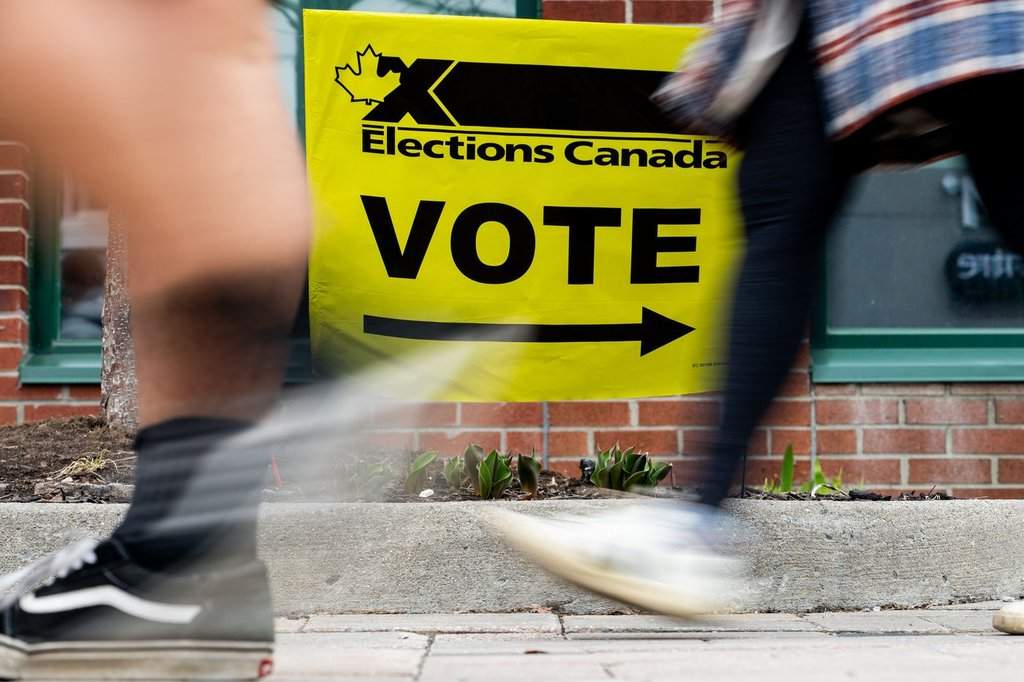
Advance voting windows open fast, and voters in Yorkton-Melville head to the ballot boxes on December 7. Whether this high-stakes prairie gamble moves the needle or simply reinforces the status quo will be clear soon enough.


