The legal playbook that stunned Beijing a decade ago is back on the table. Think back to 2016, when the Permanent Court of Arbitration in The Hague completely shredded Beijing's expansive "nine-dash line" claims. China ignored the verdict, called it a farce, and kept building artificial islands. But policymakers in Manila aren't ready to drop the law books just yet. Whispers of a second international legal case are growing louder.
If you're wondering whether another arbitration filing can actually change facts on the water, the answer is complicated. International law doesn't come with a police force. Yet, legal strategy serves a massive purpose beyond physical enforcement. It shifts global narratives, locks in sovereign rights under the United Nations Convention on the Law of the Sea (UNCLOS), and builds a diplomatic coalition that makes unilateral bullying much harder to sustain.
Beyond the First Verdict
The landmark 2016 ruling gave the Philippines a massive legal victory, declaring that historic rights inside the nine-dash line lacked legal foundation. It proved that a smaller nation could use international tribunals to challenge a rising superpower without firing a single shot.
So why look at a second case now?
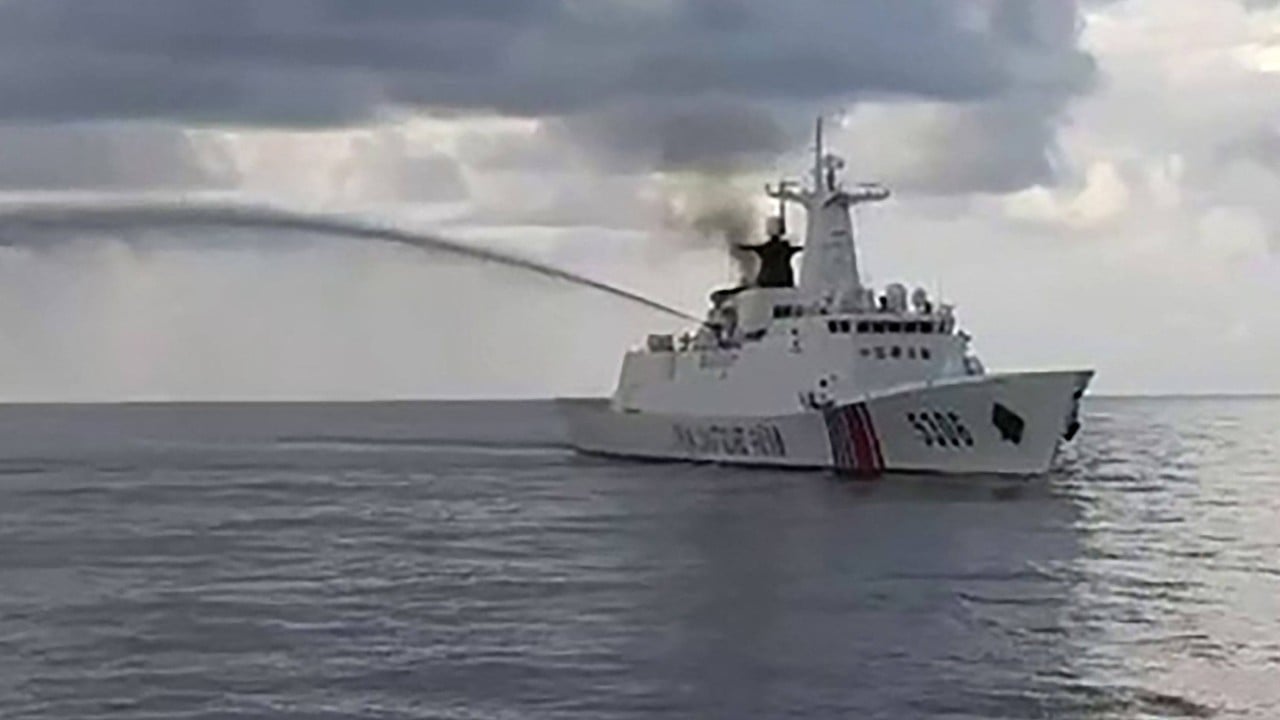
The dynamics on the water have evolved. Recent years have brought persistent standoffs near features like Second Thomas Shoal and Scarborough Shoal, featuring water cannons, dangerous blocking maneuvers by coast guard vessels, and escalating environmental destruction. China's massive clam-harvesting and island-dredging activities have inflicted severe, irreversible damage on fragile coral reefs.
A new arbitration push wouldn't just rehash old arguments. Legal experts suggest a fresh case could target specific ongoing violations that weren't fully addressed or have intensified since 2016. This includes ecological devastation in the exclusive economic zone, continuous interference with traditional Filipino fishing rights, and the unlawful blockage of resupply missions to stationed military personnel.
The Strategic Math Behind More Litigation
Lawsuits in international courts take years and cost millions. They also require navigating strict jurisdictional hurdles, especially since Beijing refuses to participate or recognize outcomes.
Why bother? Because international pressure compounds over time. When Manila filed the first case, critics argued it was a waste of time. Instead, it created an enduring legal baseline that dozens of other countries now reference in joint statements and diplomatic protests.
By building a second case, Manila aims to achieve a few core objectives:
- Cementing environmental accountability: Highlighting large-scale habitat destruction gives maritime lawyers solid footing under specific UNCLOS provisions regarding marine preservation.
- Amplifying global coalitions: A formal legal proceeding encourages allies like the United States, Japan, and European partners to issue stronger diplomatic declarations backing international law.
- Raising diplomatic costs: Even if Beijing dismisses the court, the constant spotlight on maritime harassment stains its diplomatic reputation across Southeast Asia.
What Stands in the Way
Filing another suit carries heavy political risks. President Ferdinand Marcos Jr.'s administration has taken a much firmer, more transparent public stance against aggressive actions compared to past administrations, routinely exposing incidents through media documentation. However, foreign policy isn't just about standing tall; it requires avoiding unintended escalations that could spark a severe crisis in busy shipping lanes.
Furthermore, domestic critics in the Philippines sometimes worry that leaning too hard on legal battles might freeze bilateral trade or close off channels for practical crisis management. Diplomacy requires talking even while you're fighting in court.
Yet, public sentiment in the Philippines heavily favors defending maritime territory. When fishing boats get rammed or supplies are blocked, voters notice. Legal action offers a structured, rules-based outlet for a nation that cannot match its neighbor ship-for-ship or gun-for-gun.
The Reality of Maritime Law
Let's be clear. A favorable ruling from The Hague won't cause coast guard ships to instantly withdraw from disputed reefs. Enforcement remains an uphill battle.
Think of international litigation less like a criminal arrest and more like securing a property deed in a contested neighborhood. It establishes legal clarity, strips away the opponent's facade of legality, and arms your allies with the diplomatic ammunition they need to support you.
As Manila weighs its next diplomatic and legal maneuvers, the calculus comes down to endurance. If the first case cracked open the door to rules-based resistance in the South China Sea, a second case might push that door wide open. Keep an eye on how regional partners respond. The next move could redefine how small states manage giant neighbors for decades to come.



