Why Malaysia Resettling 10,000 Rohingya in Turkey Changes the Regional Playbook
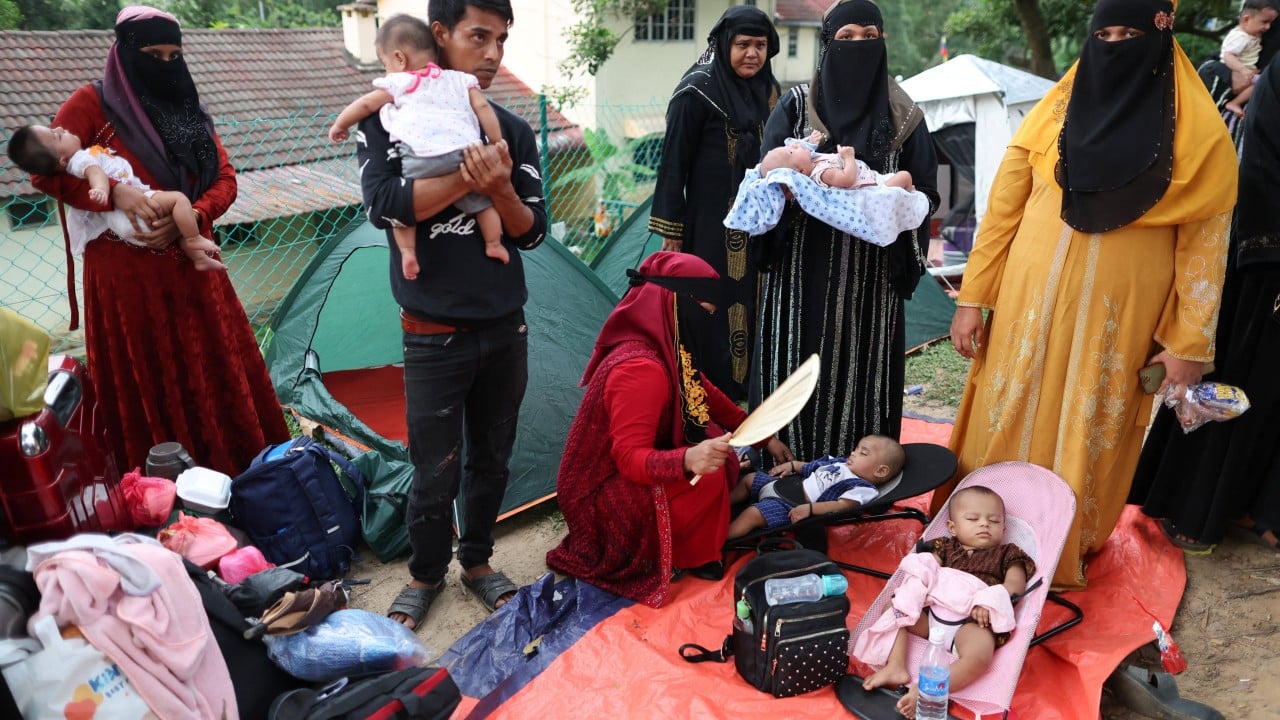
Resetting 10,000 Rohingya refugees from Malaysia to Turkey isn't just a diplomatic headline. It's a pressure-valve move by Putrajaya after years of domestic friction, stalled third-country quotas, and fierce pushback over deportations back to Myanmar.
Malaysia's Cabinet has backed a plan—announced by Deputy Prime Minister Ahmad Zahid Hamidi following his working trip to Turkey—to pair third-country resettlement with structured skills and vocational training tailored to Turkish labor needs. On paper, moving 10,000 people sounds like a breakthrough. In reality, Malaysia hosts roughly 190,000 to 193,000 registered refugees and asylum seekers from Myanmar, with Rohingya making up about two-thirds of that total. Do the math. Even if Turkey takes every single person on this list, well over a hundred thousand Myanmar refugees stay right where they are.
Still, I think dismissing this deal as a drop in the bucket misses how Southeast Asian migration politics actually work. For years, Kuala Lumpur has been stuck between domestic voters complaining about economic strain and security, human rights groups warning against returns to an active conflict zone, and Western resettlement slots that move at a crawl. Pulling in a Muslim-majority middle power like Turkey with a labor-linked training model shifts the conversation from pure containment to bilateral workforce matching.
What Kuala Lumpur Actually Announced and What Remains Unclear
According to Zahid's statement, Malaysia will coordinate participant selection, skills training, documentation, and resettlement with Turkish authorities, the UNHCR, and relevant agencies. Officials say implementation will factor in industry demand, the consent of the individuals involved, and applicable international rules. As highlighted in recent articles by BBC News, the effects are significant.
Notice what's missing, though. As of right now, there's no public timeline for when flights start, no clear breakdown of which sectors in Turkey will absorb workers, and no immediate public confirmation from Turkey's foreign ministry. When governments announce big numbers fast, the fine print usually takes months to catch up.
There's also a crucial detail around consent and voluntary participation. Malaysia has repatriated more than 10,000 Myanmar nationals since January—including around 1,500 in late September under what officials described as a voluntary program—while drawing criticism from rights advocates and UN agencies over safety in conflict-hit Myanmar and reports of detentions after return. While Zahid referenced individual consent and UN resettlement principles, watch closely how selection and screening work on the ground. Resettlement only works as a durable solution when people aren't pressured into choices they don't fully understand.
Why Skills Training Is Both a Hook and a Catch
Pairing refugee movement with Technical and Vocational Education and Training (TVET) or structured skills programs isn't accidental. Governments love labor-aligned resettlement because it sells better domestically than pure charity. Instead of framing arrivals solely as dependents, officials can argue they're filling real gaps in construction, manufacturing, hospitality, or technical trades.
Here's the catch from years of watching labor-linked migration programs across different regions. Training modules often look great in press releases and stumble in real life.
- Language barriers hit fast: Learning a technical skill in Malay or Burmese doesn't automatically translate to safe, productive work on a Turkish job site or factory floor without practical language support.
- Credential and legal status matter: A certificate from a pre-departure course means very little if a worker lacks clear legal documentation, fair wage protections, or a pathway to stability once they arrive.
- Vulnerability to exploitation rises: Whenever migration is tied to labor demand, recruiters and middlemen show up. Without tight oversight from the UNHCR and both governments, vulnerable people can end up in precarious work arrangements.
Honestly, skills training can give 10,000 people a real shot at self-reliance—if it's paired with legal protection and genuine integration support. If it's treated as a cheap shortcut to offload political pressure, it'll create headaches in Ankara just like the old model created headaches in Kuala Lumpur.
Malaysia's Legal Gray Zone and Why Politics Drive the Clock
To understand why Putrajaya is pushing this now, you have to look at Malaysia's legal framework. Malaysia isn't a signatory to the 1951 Refugee Convention and doesn't formally recognize refugee status under domestic law. Without formal legal status, refugees in Malaysia often live in a frustrating limbo—unable to access formal employment rights easily, facing arrest or detention risks during enforcement sweeps, and relying heavily on UN registration cards that don't guarantee domestic protection.
When local tensions flare up over competition for low-wage jobs, housing, or public services, politicians feel the heat immediately. Sending people back to Myanmar has become politically popular in some quarters, even though the UN has warned that Myanmar remains mired in severe conflict and humanitarian crisis. Resettlement to a third country like Turkey gives Putrajaya a diplomatic release valve that sounds proactive and humane without requiring a sudden overhaul of domestic refugee law.
What's debatable here is whether this becomes a genuine template for regional burden-sharing or a one-off diplomatic gesture. Zahid suggested the arrangement could serve as a model for international cooperation. Skeptics—including humanitarian researchers and advocacy groups—will rightly point out that 10,000 spots out of nearly 193,000 Myanmar refugees and asylum seekers leaves the core structural bottleneck untouched. Both things can be true at once: it can help 10,000 individuals while still leaving the wider system strained.
What People Usually Get Wrong About Resettlement Deals
Whenever a resettlement number hits the news, a few myths spread almost immediately.
First, people assume a bilateral announcement means departures start next week. Third-country resettlement involves security vetting, document verification, medical checks, travel logistics, and coordination across multiple agencies. Even straightforward programs take time, and bilateral ones involving a new training component take longer.
Second, folks often treat "resettlement" and "deportation" as opposite sides of the same coin that cancel each other out. They don't. Malaysia can pursue a third-country resettlement plan with Turkey and continue repatriations or enforcement operations at the same time. Tracking both tracks gives you a much clearer picture than reading either one in isolation.
Third, it's easy to assume third-country resettlement is an automatic upgrade without friction. Moving across continents brings culture shock, family separation if household members are split across eligibility criteria, and adjustment hurdles. Success depends on execution after landing, not just the signing ceremony.
Practical Next Steps Depending on Your Role
If you're following this story because you're directly affected, working in advocacy or policy, or researching regional migration, don't wait around for vague summaries. Take concrete steps based on where you sit.
- If you're a refugee or family member in Malaysia: Rely only on verified information from the UNHCR Malaysia rather than rumors on social media or unverified brokers. Keep your registration details and identity documents safe and up to date, and never pay money to third parties claiming they can buy a spot on a resettlement list.
- If you're a journalist, researcher, or policy analyst: Track official follow-ups from Malaysia's Home Ministry and Deputy Prime Minister's office alongside statements from Turkish authorities and the UNHCR to see how training criteria, voluntary consent safeguards, and timelines are defined. Compare resettlement numbers against ongoing repatriation figures to keep scale in perspective.
- If you support humanitarian or legal aid groups: Direct funding or volunteer capacity toward organizations providing legal literacy, mental health support, and accurate information on the ground, where confusion during policy shifts often causes the most immediate harm.
Watch the implementation details over the next few months. Numbers get headlines, but execution decides whether 10,000 people get real stability or just a new set of uncertainties.



