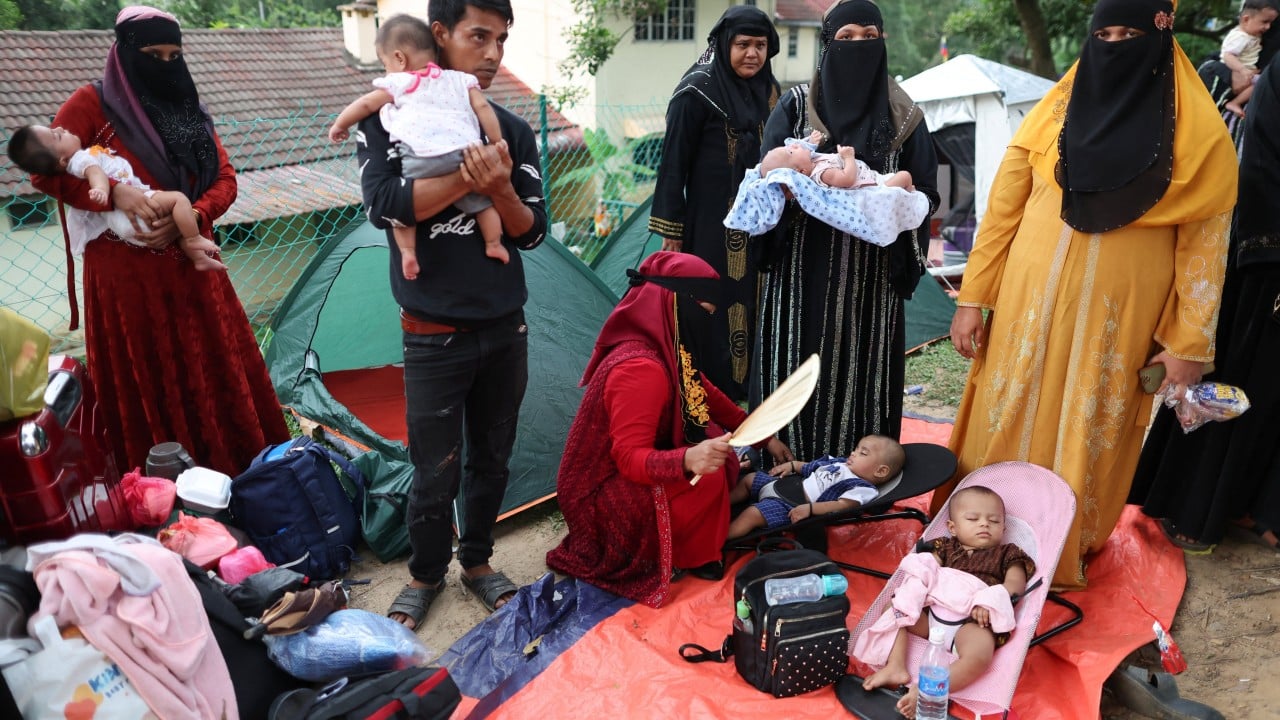
For decades, hundreds of thousands of refugees and asylum seekers in Malaysia have lived in a grueling legal vacuum. They are physically present in the country, contributing to local communities, yet completely locked out of the formal economy. That reality might finally shift. Kuala Lumpur is actively weighing a proposal to let registered refugees take on legal employment, specifically targeting severe labor shortages in hard-hit sectors.
It sounds like a win-win on paper. Businesses desperate for hands get workers, and vulnerable people get a dignified way to survive. But human rights advocates aren't popping champagne quite yet. Instead, they're sounding major alarms, demanding rigid legal safeguards before any policy takes effect. If you look past the initial optimism, you'll see why throwing open the doors without ironclad protections could backfire spectacularly.
The Reality of Malaysia's Labor Crunch and Refugee Limbo
Malaysia hosts over 215,000 registered refugees and asylum seekers, primarily from Myanmar, alongside others fleeing conflict zones. Up until now, official policy treated them with institutional indifference. They lack formal legal status, meaning every single day spent working odd jobs exposes them to arrest, detention, extortion, and deportation.
Meanwhile, local industries—from manufacturing and construction to plantations—struggle with chronic labor deficits. Business owners have quietly relied on undocumented migrant labor for years, creating an underground economy rife with abuse. Bringing registered refugees into the daylight seems like an obvious fix. Thailand enacted a similar scheme that successfully funneled thousands of Myanmar refugees into formal jobs over a span of a year, proving that regulated integration is entirely possible within Southeast Asia.
Yet, copying a neighbor's blueprint isn't enough. Malaysia's political climate is complex, and the devil is entirely in the implementation details.
Why Advocates Are Demanding Strict Safeguards
The primary fear among labor watchdogs and humanitarian groups isn't the concept of refugee employment itself—it's the potential for exploitation. Past government discussions often pointed toward restricting refugee labor strictly to "3D" jobs: dirty, dangerous, and difficult work.
Confining a desperate population to the most hazardous corners of the economy without robust oversight is a recipe for modern-day indentured servitude. Without clear legal protections, unscrupulous employers can easily dangle the threat of termination or withdrawal of sponsorship over workers who have nowhere else to turn.
Real safeguards require more than a government promise. Advocates are pushing for enforceable mechanisms that guarantee:
- Standardized minimum wages identical to local workers.
- Freedom of movement and the ability to change employers without losing legal status.
- Direct access to formal dispute resolution channels when wage theft or workplace injury occurs.
- Protection against sudden policy reversals that could criminalize workers overnight.
Without these elements baked into the framework, a well-intentioned reform risks turning into state-sanctioned exploitation.
Looking Beyond the Numbers
Policymakers love metrics. Announcing that thousands of individuals have been placed into formal jobs makes for a great press release. But sustainable integration requires looking past simple headcount statistics. If workers are funneled into unsafe conditions with zero path toward upward mobility or social integration, the policy fails its core humanitarian purpose.
Furthermore, public perception in Malaysia remains deeply polarized. Xenophobic rhetoric flares up easily, and nationalist political factions closely monitor any shift in immigration policy. For a work permit initiative to survive political turbulence, the government must clearly communicate how legalizing refugee labor benefits the national economy while protecting local wage standards. Transparency is the only antidote to public backlash.
Getting this right requires political courage and active consultation with civil society groups who understand the daily vulnerabilities these communities face. Malaysia stands at a crucial crossroads. It can either build a transparent, protected framework that sets a benchmark for the region, or rush a half-baked measure that simply shifts exploitation from the shadows into the open. The choices made today will echo for decades.