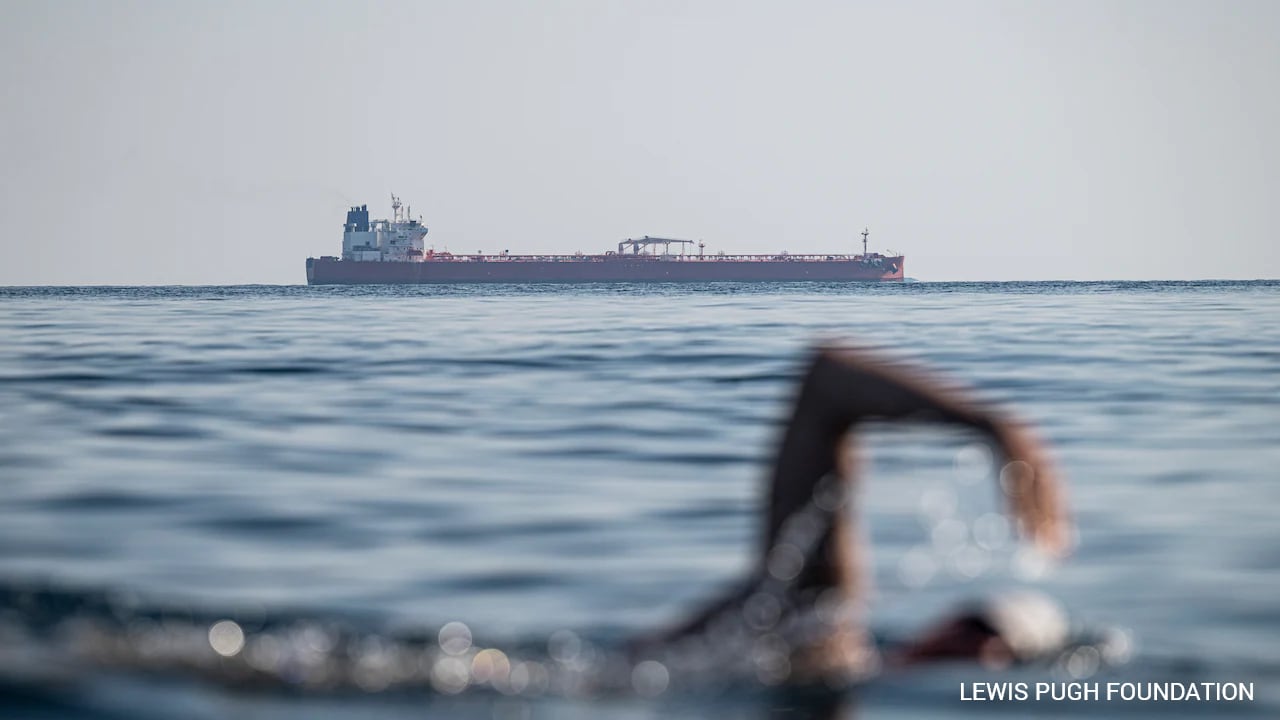
Blasts shook the water just kilometers away while British endurance swimmer Lewis Pugh pushed through a three-day swim in the Strait of Hormuz. Most headlines right now fixate on crude prices, shipping delays, and military escalation. That focus misses the slower, uglier clock ticking under the surface.
When a tanker gets hit or an LPG carrier burns, the news cycle moves on in days. Coral reefs, mangrove roots, seagrass beds, and coastal drinking water don't move on. They absorb the hit and keep paying for it over decades.
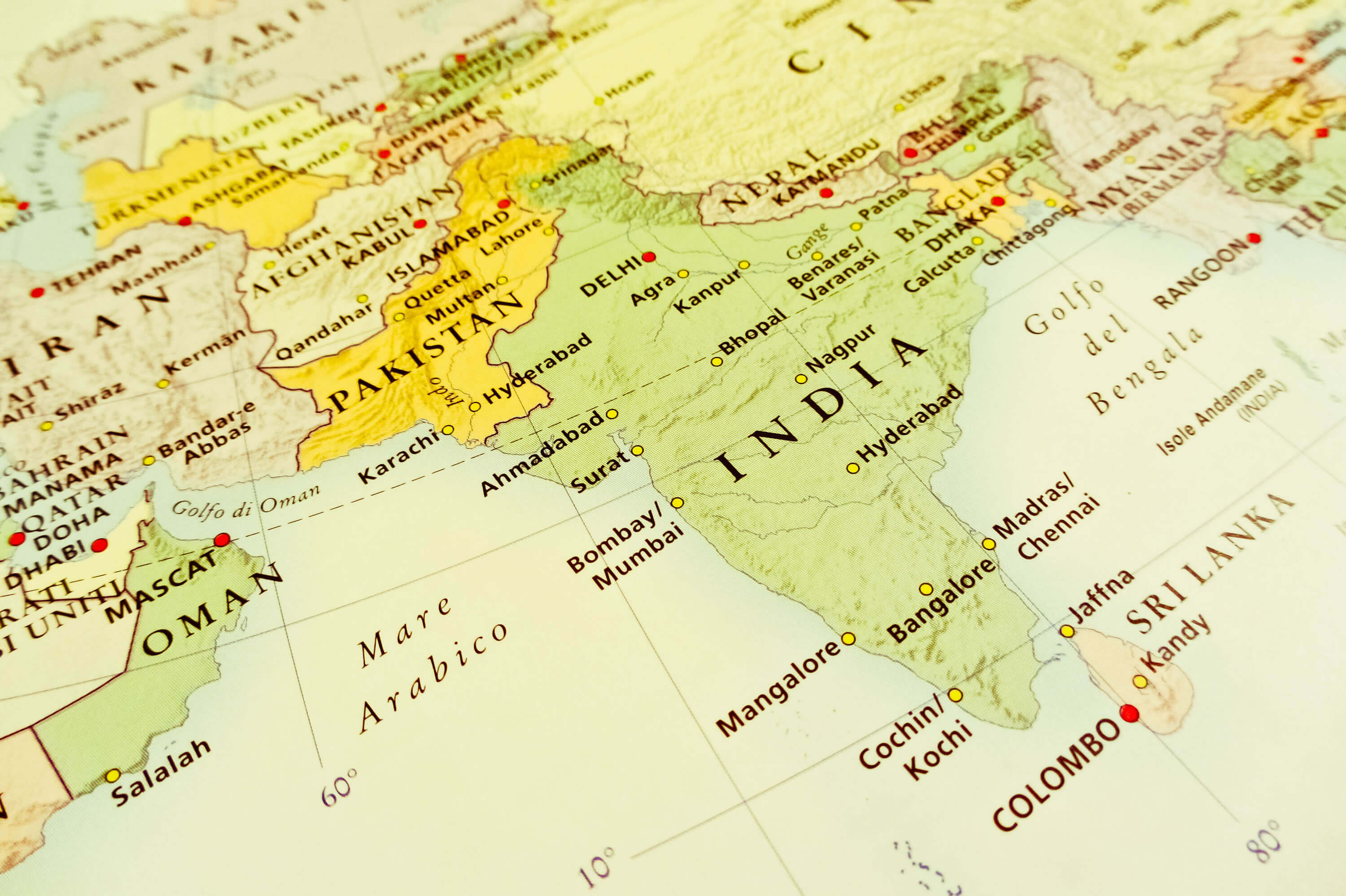
Pugh, a 56-year-old British swimmer and UN Environment Programme Patron of the Oceans, set out around mid-November 2026 near Oman's Musandam Peninsula and around part of the Cape of Hormuz, covering roughly 15 kilometers (about 9.3 miles) across three days. According to accounts from the Lewis Pugh Foundation, a projectile struck an oil tanker about four kilometers away on day one, sending blasts across the water with fighter jets overhead, and on day two he saw fireballs rising from the burning LPG carrier Tara Gas before passing near the flaming ship on the way back.
What Lewis Pugh Actually Saw In The Water
Stunt swims make people roll their eyes. I get that skepticism. Plenty of ocean campaigns lean on drama and light on follow-through.
Here, the timing is what makes it hard to brush off. Pugh has swum across the North Pole and completed long-distance swims in all five oceans, so cold water and long hours aren't new to him. Swimming in an active conflict zone where merchant ships are taking hits is a different beast altogether. He had a support boat and kayak alongside him, he smelled chemicals and smoke in parts of the route, and he watched commercial vessels rush in convoys along the Omani coast to get out of the Gulf.
Still, one swimmer doesn't give you a full marine survey. You can't measure dissolved toxins or seafloor damage by breaststroke. What Pugh's swim does is put a human face and a sensory jolt on numbers that otherwise sit in dry UN briefings.
Why The Gulf Is Uniquely Vulnerable To War Damage
People talk about the Persian Gulf and the Strait of Hormuz as if they're just an oil highway. Biologically, the Gulf is a semi-enclosed sea with limited water exchange compared to the open ocean. Pollutants don't just vanish into an endless basin.
Oil, chemical residues, heavy metals, and burning fuel linger near shorelines, settle into sediments, and coat sensitive habitats. Pugh pointed to coral reefs, mangrove forests, seagrass meadows, dolphins, sea turtles, and dugongs—ecosystems that already face heat stress and coastal development even in peacetime. More than a dozen Marine Protected Areas have reportedly been affected, and United Nations reporting cited by the Lewis Pugh Foundation puts vessel attacks since late February at least at 175, with around 30 causing significant pollution.
Then there's drinking water. That's the part casual readers overlook.
Across Gulf states, tens of millions of people rely heavily on desalination plants to keep taps running. Heavy oil slicks, chemical plumes, or strikes near coastal energy and water infrastructure don't just hurt fish. They can force plant shutdowns or complicate intake treatment when margins are already tight.
Past Gulf Conflicts Show How Long Cleanup Takes
If you think cleanup ends when the shooting stops, history says otherwise. After the 1990–1991 Gulf War, the United Nations Compensation Commission administered environmental awards totaling roughly $4.3 billion across Kuwait, Iran, Jordan, and Saudi Arabia, with Kuwait receiving around $3 billion for environmental remediation and restoration projects.
Money helps, obviously. You can't fund coastal rehabilitation, oiled-shoreline recovery, or long-term monitoring on good intentions. Yet even billions of dollars and years of work couldn't snap ecosystems back overnight, and debate over who pays and who bears responsibility is always messy.
Experts also don't agree on every projection right now. Baseline data in active conflict zones is patchy, currents shift plumes unpredictably, and the full toll on fish stocks and reefs takes years of scientific sampling to verify. Honesty requires saying we don't know the final bill yet—only that waiting makes containment harder.
What You Can Actually Do With This News
You don't need a drysuit or a diplomatic pass to track this properly. If you follow geopolitics, commodities, or ocean conservation, a few habits will keep you ahead of the noise:
- Watch environmental indicators alongside oil prices. Crude spikes grab attention, but look for UN environment assessments, marine spill alerts, and desalination advisories across Gulf ports.
- Read primary updates, not just recycled outrage. Check official releases from the Lewis Pugh Foundation and major wire dispatches rather than trusting second-hand social posts.
- Pay attention to post-conflict accountability. Watch how international bodies handle remediation funding and protected-area recovery once shipping lanes reopen.
War leaves scars in steel, borders, and balance sheets. It leaves them in the tide lines too.