Eight minutes of surveillance video changed everything in Croatia.
Kristian Josip Periš, a 32-year-old former shot put and discus athlete and para-athletics coach, entered the Sveti Ivan Psychiatric Clinic in Zagreb's Jankomir district looking for help. He died there on October 21, 2026. When leaked CCTV footage from the facility hit local media and went viral, the reaction wasn't just shock. It was raw, simmering fury.
The video showed Periš strapped to a bed while staff struck him, pressed down on his body, and held a pillow over his face. Family lawyer Leon Zrnić told reporters that Periš suffered broken ribs and was strangled during what he called an illegal procedure. A coronial review pointed to neck restraint as a major contributing factor in his death and flagged procedural failures at the clinic.
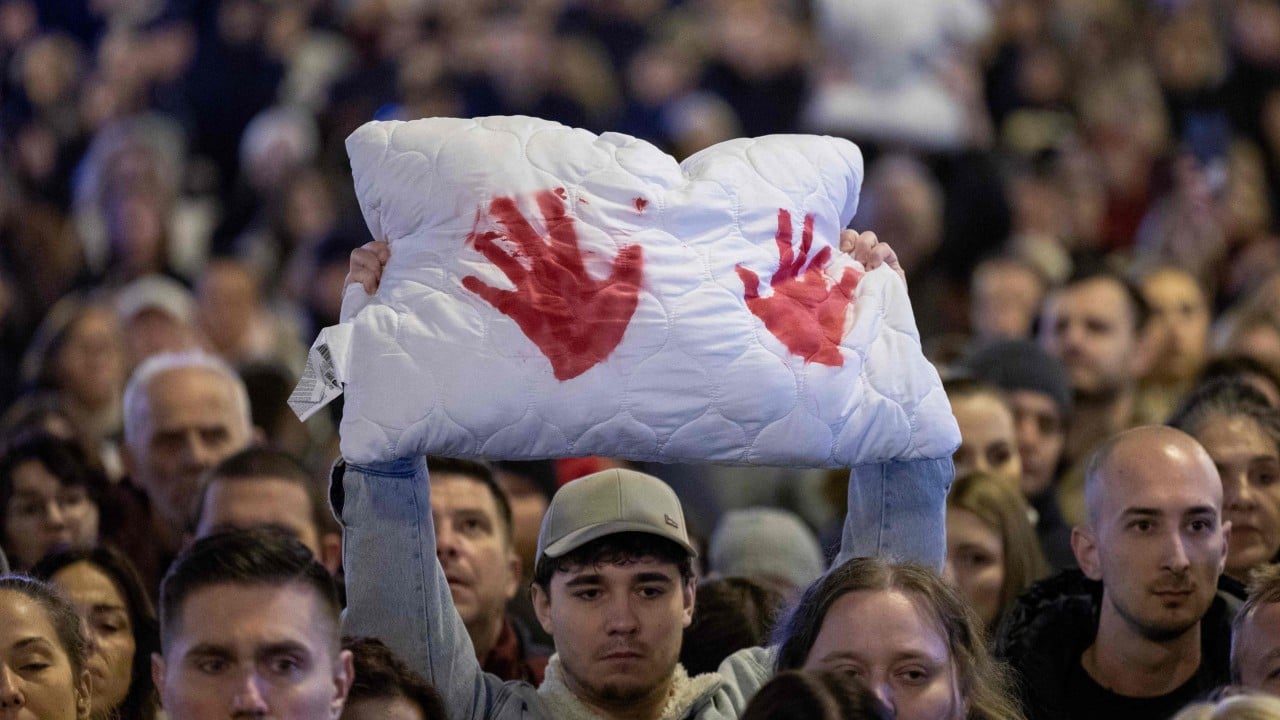
By mid-November, crowds had gathered in Zagreb's Ban Jelačić Square—some holding white pillows and candles, others standing through eight minutes of silence—while roughly 1,000 people marched in Rijeka. Four male medical technicians were arrested and placed in pretrial detention on suspicion of aggravated murder of a vulnerable person, and prosecutors expanded the probe to bring in additional staff who were present on camera, including a doctor and nurses.
Honestly, anyone watching that tape sees a horror story. Yet stopping at "bad actors" misses the bigger, uglier truth. A single viral clip doesn't create a systemic crisis on its own; it rips the lid off one that's been boiling under the surface for years.
How Kristian Periš's death became a nationwide reckoning
At first, the public barely heard the full story. Prime Minister Andrej Plenković pointed out that the hospital didn't notify the Ministry of Health about the death until two weeks after it happened, raising sharp questions about whether officials tried to bury it. Plenković flatly called the incident a "murder" after seeing the footage.
Once the surveillance video surfaced, outrage spilled out of living rooms and onto city streets. Students organized a demonstration in Zagreb featuring eight minutes of silence—one minute for each minute of the recorded restraint. A week later, families and supporters turned out again in Zagreb and marched in Rijeka.
Institutional dominoes started falling fast, though not evenly:
- The clinic's director and governing board resigned.
- Health Minister Irena Hrstić reported "irregularities" uncovered during a ministry inspection as oversight checks continued.
- Plenković said Hrstić did not need to step down, sparking political finger-pointing between national leaders and city-level authorities who oversee municipal hospital governance.
Here's the rub with political blame games in health scandals: everybody wants to point at the other guy's jurisdiction. National ministries cite local management, local officials talk about staffing and safety pressures, and families are left wondering who actually protects someone once a ward door locks behind them.
Why physical restraint keeps failing vulnerable patients
Let's be real about psychiatric wards for a second. Frontline staff sometimes face genuinely frightening, volatile situations, and poor staffing ratios make de-escalation way harder on paper than in practice. Staff voices in public debates have even asked for better security, self-defense training, and specialized crisis teams to handle aggression safely.
Still, none of that explains strapping someone down, hitting them, or holding a pillow over their face.
Medical and human rights experts have warned for years that prone restraint, neck pressure, and airway obstruction carry extreme risk of asphyxiation and cardiac arrest—especially when a person is already agitated, exhausted, or physically compressed. The Croatian Medical Chamber (HKMS) stated that the released footage showed prohibited coercive measures that violated professional and ethical standards for psychiatric care.
European mental health advocates jumped straight into that debate after Periš died. On November 16, 2026, Mental Health Europe issued a statement calling for a thorough, independent probe and urging governments across Europe to move away from coercive practices that strip people of bodily autonomy and safety. GAMIAN-Europe echoed that demand days later, arguing that the tragedy isn't just about individual misconduct—it's about political will to replace force with rights-based care.
That tension sits right at the heart of modern psychiatry. Can a hospital rely on heavy physical force as a routine fallback and still claim to be a place of healing? I don't think so. When restraint becomes lethal, the system has already failed long before the last minute on the clock.
What most people miss about hospital accountability
When a shocking video comes out, people naturally focus on criminal charges. Arresting four technicians on suspicion of aggravated murder and questioning more staff is a massive legal step. Criminal trials test individual guilt, and they matter deeply to a grieving family.
Criminal cases alone, though, rarely fix ward culture.
In my experience watching healthcare controversies unfold, three blind spots show up again and again:
- Delayed reporting lets damage harden. A two-week gap before alerting the Health Ministry doesn't look like routine paperwork—it looks like institutional self-protection.
- Stigma clouds credibility. When someone has a mental health crisis, outsiders sometimes—consciously or not—treat their distress or vulnerability as a reason to doubt or minimize what happened to them.
- Resignations don't equal reform. A new director or board can change letterheads overnight, yet frontline habits stay stuck unless training, staffing, incident auditing, and independent oversight actually change.
There is also a fair question about evidence and due process. Surveillance clips are powerful because they show raw actions without polish, yet courts still have to weigh full medical records, autopsies, witness accounts, and individual roles before reaching verdicts. Being angry about what appears on video doesn't mean skipping careful legal proof—it means insisting on an investigation thorough enough that nobody can slip through the cracks.
Practical steps for families and advocates right now
If you're a family member supporting someone in mental health care—or someone pushing for safer hospitals in your own community—waiting around for politicians to finish arguing won't cut it. A few concrete steps make a real difference:
- Ask clear questions at admission and care reviews. Request plain-language explanations of de-escalation policies, restraint rules, emergency contacts, and how your loved one will be kept updated.
- Document everything early. Keep dates, names of treating clinicians or ward contacts, discharge or transfer notes, and any concerns you raise in writing. If something goes wrong, early timelines are gold.
- Know your independent oversight channels. Look up your country's health ministry inspectorate, national patient rights ombudsman, and reputable advocacy groups like Mental Health Europe or GAMIAN-Europe so you aren't scrambling for contacts during a crisis.
- Push for measurable safety reforms, not slogans. Back concrete measures like mandatory de-escalation training, strict limits on high-risk restraints, transparent adverse-event reporting, and real input from people with lived experience.
Kristian Josip Periš went to a hospital asking for help and never came back out. Real justice won't just be decided in a courtroom; it'll show up in whether patients walking into psychiatric wards tomorrow are safer than they were yesterday.



