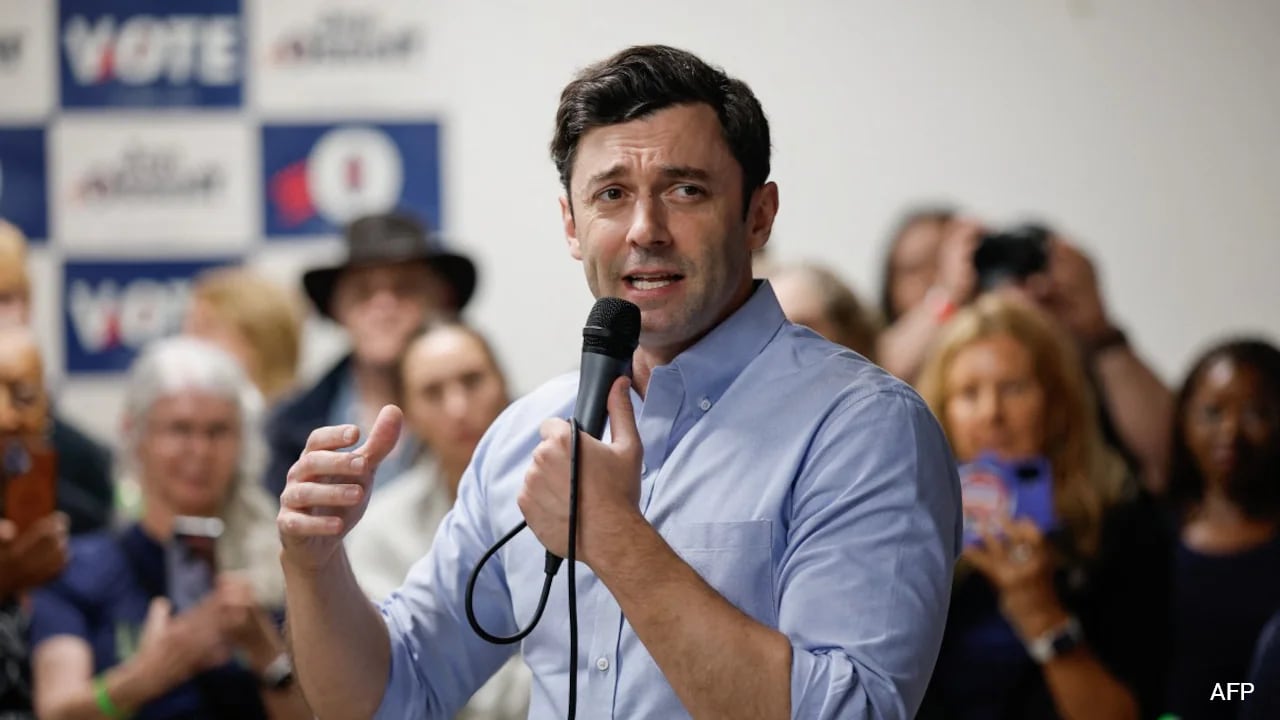
Winning a Senate race in a state Donald Trump carried isn't supposed to look like a viral social media tour. Yet Jon Ossoff just pulled off one of the most surprising political defense campaigns in recent memory, securing a second term representing Georgia by defeating Republican challenger Mike Collins.
At just 39 years old, the nation's youngest senator entered this election cycle as a prime target for national Republicans. Political conventional wisdom dictates that Democrats facing voters in conservative-leaning southern territory should keep their heads down, moderate their rhetoric, and dodge national fights. Ossoff threw that playbook out the window. He ran an aggressive, high-profile crusade against the White House, pulling in a staggering $100 million war chest and transforming every stop into a real-time clip factory for digital feeds.
The Strategy Behind Ossoff's Georgia Victory
Ossoff didn't win by hiding his progressive policy stances or running away from polarization. He leaned directly into the friction. While traditional politicians worry about offending independent voters with fiery rhetoric, Ossoff painted his opponent, two-term Representative Mike Collins, as an unthinking extension of Donald Trump.
During debates and campaign rallies, Ossoff didn't mince words. He hammered Collins over past controversies, ethics investigations, and ties to white nationalist figures. By linking his opponent directly to extremist baggage while framing himself as an independent populist champion who fights institutional corruption, Ossoff shifted the defensive posture of a typical incumbent into a relentless offensive blitz.
This approach came with serious risks. Early on, party strategists wondered if an unabashedly confrontational stance would alienate suburban conservatives who helped flip Georgia blue back in 2020. Instead, Ossoff balanced national attacks with concrete local constituent services. He delivered results on hurricane relief and federal infrastructure funding, securing quiet endorsements from local Republican leaders who appreciated his legislative hustle.
What This Means for Donald Trump and the Republican Party
The outcome in Georgia serves as an uncomfortable reality check for the White House. Trump heavily endorsed Collins during the primaries, tying his own political capital to a candidate who struggled with basic fundraising and defending past associations.
As presidential approval ratings slip into lame-duck territory, the Georgia senate race highlights a growing vulnerability for candidates heavily dependent on Trump's endorsement. When voters face economic anxiety and moral fatigue, blind loyalty to executive agendas stops working as a substitute for local policy vision. Collins tried to pin Ossoff as an out-of-touch liberal voting alongside Bernie Sanders on open borders and cultural issues, but those attacks failed to stick against an incumbent who maintained tight discipline on local infrastructure and accountability reform.
The Future of Congressional Stock Trading Bans and National Ambitions
Beyond the immediate electoral map, Ossoff's win cements his status as a national powerhouse within the Democratic Party. Rumors are already swirling about a potential 2028 presidential run, though the senator remains entirely focused on his legislative agenda in Washington.
One of his signature proposals involves banning members of Congress from trading individual stocks. For years, the STOCK Act reforms have stalled in committees despite overwhelming public support from voters across the political spectrum. With a fresh mandate and massive grassroots momentum, Ossoff is uniquely positioned to force this issue back onto the national center stage.
Voters are tired of politicians getting rich off insider knowledge while working families struggle with inflation and tax burdens. Ossoff built a massive part of his platform around campaign finance reform and ending corporate money dominance in politics.
If other Democrats want to survive tough political terrain in upcoming cycles, they should look closely at how Ossoff pulled this off. It takes more than just playing defense or running away from national headwinds. You need clear stances, aggressive communication, and a willingness to call out institutional rot directly to the voters' faces. Stop overthinking political safety and start taking direct aim at the establishment.



