Jean-Luc Mélenchon isn't flying to Berlin for a cozy diplomatic tea party. He's showing up as a serious contender for the 2027 French presidential election while German officials watch every word with growing unease.
When a firebrand left-wing leader who routinely blasts Berlin's budget discipline and military ambitions steps onto German soil, people pay attention. With French presidential polling putting Mélenchon in the run-off mix against Marine Le Pen, his rhetoric stops sounding like fringe noise. Honestly, it starts looking like a potential shift in how Paris talks to its biggest European neighbor.
The competitor coverage on Le Monde frames the visit around German anxiety over his sharp anti-German framing ahead of his Berlin appearance. That angle captures the headline tension, yet it leaves out plenty of the strategic and historical mechanics driving the friction. Watching how French left-wing sovereignty politics collide with German security and coalition culture gives you a much clearer picture of what's actually at stake.
What Sparked the Friction Over Mélenchon’s Berlin Visit
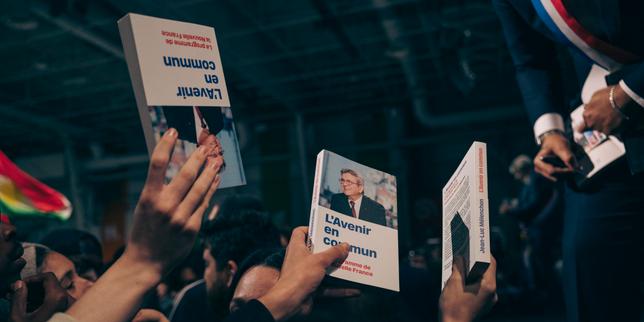
Mélenchon's trip to Berlin centers on the German translation of his political writing and public appearances with left-wing circles in the city, including an event at Babylon hosted alongside Brumaire Verlag and backed by the Rosa Luxemburg Foundation. On paper, a book stop in Berlin looks routine for a prominent European politician. In practice, timing and tone turn it into a flashpoint.
He arrives with roughly six months left before France's 2027 presidential vote. Recent polling has placed him among the top contenders alongside Marine Le Pen, raising the stakes of every foreign policy line he tests abroad. French presidents shape EU defense procurement, fiscal rules, and nuclear deterrence talks, so German analysts don't treat his speeches as mere domestic theater.
In my view, Berlin's worry isn't just that Mélenchon criticizes German policy. He has done that for years. The sharper concern is that he mixes critiques of German fiscal orthodoxy and military build-up with warnings about German hegemony and far-right gains inside Germany. To German ears, that combination touches nerves that politicians across the spectrum work hard to keep calm.
Why His Rhetoric Hits So Hard in Germany
To understand why German observers get tense, look at three recurring themes in Mélenchon's arguments and how they land across the Rhine.
Budget Rules and Economic Sovereignty
For years, Mélenchon has treated Berlin as the enforcer of tight European budget rules that squeeze public spending in France. Back in 2015, he published Le Hareng de Bismarck, a book that challenged the German economic model and its influence over Europe. That skepticism hasn't softened. When French students protest school cuts or households feel squeezed by living costs, blaming German-style austerity rules is a familiar, punchy move for La France Insoumise.
German policymakers see things differently. Many view fiscal discipline and export competitiveness as responsible stewardship rather than a weapon aimed at France. Hearing a leading French candidate frame German economic norms as an obstacle to French social investment creates real friction before any election is even decided.
German Rearmament and Nuclear Deterrence
Defense is where the tension gets sharpest. Berlin has pushed to build up the Bundeswehr into Europe's leading conventional military force amid Russian security threats and shifting transatlantic dynamics. Mélenchon has pushed back hard against that ambition, questioning what kind of wars a massive German conventional army is meant to fight and warning against industrial imbalances between French and German defense firms.
Nuclear policy adds another layer. Following Franco-German security discussions in July 2026 involving Chancellor Friedrich Merz and President Emmanuel Macron on deepening strategic cooperation and exploring new paths in deterrence, Mélenchon rejected any shared command over France's nuclear deterrent and argued that Macron's commitments don't bind the country without parliamentary consultation. For Paris and Berlin, aligning on security is already delicate; having a top presidential contender challenge the premise publicly complicates long-term planning.
Far-Right Gains and Coalition Compromises
La France Insoumise has also voiced alarm over German political shifts, pointing to far-right AfD gains in regional politics and warning against hegemonic tendencies tied to extremist successes. While left-wing allies in France and Germany share anti-fascist language on paper, day-to-day politics often look very different.
Take German municipal and state coalition politics. As reported by TV5MONDE, La France Insoumise figures like Hadrien Clouet have noted how German coalition bargaining forces compromises—such as scaling back large corporate housing expropriation targets in Berlin negotiations—that clash with LFI's harder-edged line. In France's majoritarian presidential system, leaders often campaign on sweeping ruptures rather than multi-party coalition trade-offs. In Germany, negotiating compromises is simply how governing works.
What Most Commentators Miss About the Franco-German Divide
People often reduce this story to a simple clash between "pro-European" and "anti-German." That's lazy analysis and misses how both sides actually operate.
First, Mélenchon isn't isolated from German political currents. His political trajectory has long drawn on European left debates, including figures like former German finance minister Oskar Lafontaine, who broke from mainstream social democracy toward a more populist left posture. Critique and inspiration often travel side by side in European politics.
Second, a lot of Jean-Luc Mélenchon’s Berlin trip tension comes from mismatched political playbooks. French campaign rhetoric loves dramatic confrontation, clear adversaries, and bold declarations of national independence. German political culture leans toward institutional consensus, incremental compromise, and careful wording around war, military power, and history. When a French tribune speaks bluntly in Berlin, the contrast feels even starker.
Third, cooperation and rivalry coexist on the ground even when speeches get heated. Joint defense initiatives, cross-border industrial programs, and multinational units like the Franco-German Brigade show that practical ties don't vanish overnight. Still, public distrust erodes political goodwill. If voters and leaders start assuming bad faith on the other side, joint projects slow down, schedules slip, and industrial arguments turn into zero-sum turf wars.
Practical Ways to Track This Story Without Getting Fooled
If you're following French-German relations heading into 2027, don't get swept away by viral quotes alone. A few practical habits will keep your read sharp:
- Separate campaign lines from governing pledges. Watch whether Mélenchon specifies exact treaty changes, defense program cancellations, or concrete industrial guarantees rather than broad rhetorical warnings.
- Check both capitals' reactions. Compare how French outlets frame his Berlin stops against how German commentators, think tanks, and party officials respond.
- Follow industrial and budget details. Look past slogans to see how defense contracts, energy or industrial subsidies, and fiscal rules are actually negotiated between Paris and Berlin.
- Watch coalition and polling dynamics. Track how second-round presidential scenarios shape what candidates say—sometimes leaders harden their base message first, then adjust if they sense a broader coalition is needed.
Rhetoric sets the mood, yet institutions and elections decide what actually moves. Keep an eye on what happens after the applause in Berlin fades.



