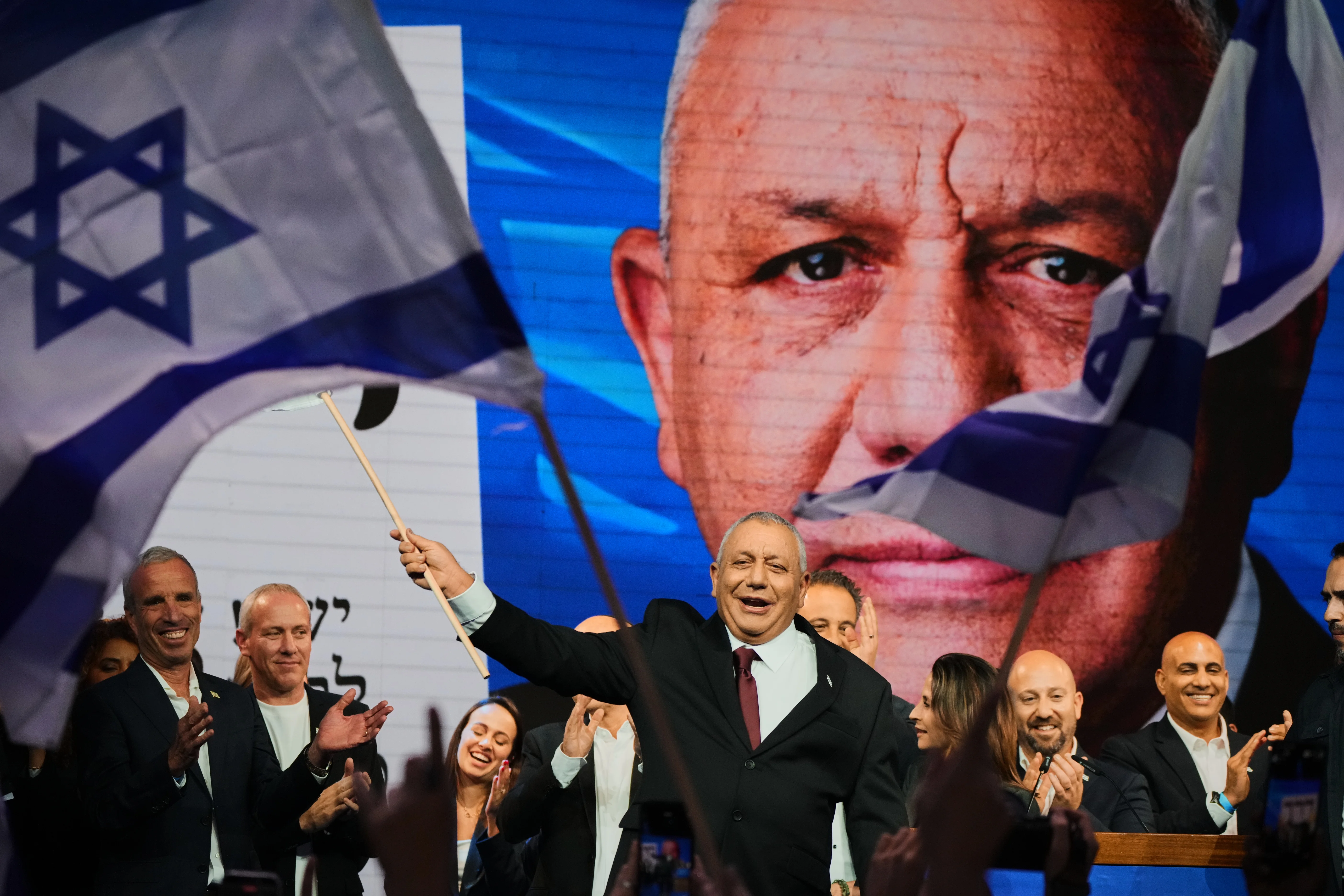
Israeli politics just took a sharp turn. President Isaac Herzog officially bypassed long-serving Prime Minister Benjamin Netanyahu, handing former military chief Gadi Eisenkot the mandate to build the country's next governing coalition.
It is a massive political earthquake. For years, Netanyahu has managed to weather crisis after crisis, electoral challenge after electoral challenge, and hold onto power. But political gravity finally caught up. During formal consultations at the presidential residence, parties representing 67 seats in the 120-member Knesset threw their support behind Eisenkot. Netanyahu managed to secure only 46 recommendations, leaving him short and out of favor with the new parliamentary majority.
Eisenkot, who leads the Yashar party, now has 28 days to forge a working coalition. If he succeeds, he will effectively end Netanyahu's historic, albeit polarizing, tenure. If he fails, Israel faces the dizzying prospect of heading right back to the polls while Netanyahu lingers as caretaker prime minister.
How the Numbers Shook Out
You cannot understand Israeli politics without looking closely at the math. In a fragmented parliamentary system, winning an election outright is practically impossible. Parties must stitch together coalitions to cross the magical 61-seat threshold.
Neither Eisenkot nor Netanyahu walked away from the general election with a clean, undisputed majority. However, the math during Herzog’s consultations turned ugly for Netanyahu. While Likud and its traditional nationalist-religious allies stayed loyal to the incumbent, crucial blocs broke away or shifted their weight. Even ultra-Orthodox factions like United Torah Judaism withheld recommendations, leaving Netanyahu stranded with just 46 backers.
Eisenkot built a broader, albeit fragile, consensus across the political spectrum. By securing 67 recommendations, he demonstrated something Netanyahu struggled to do in this cycle: the ability to draw support from varied factions who agree on little except that the current political era needs a reset.
The Battle Lines Are Already Drawn
Netanyahu didn't go down quietly. Hours before Herzog's announcement became official, the prime minister scrambled to release a video statement warning against a government backed by what he termed "terrorist supporters"—a direct jab at Arab-led parties considering backing the opposition. Netanyahu has long weaponized security fears, framing any alternative coalition as a national security risk.
Eisenkot’s camp fired back immediately. Yashar slammed Netanyahu's rhetoric and urged members of Likud to break free from their reliance on extreme fringe parties. Eisenkot has made it clear that any coalition he forms will be built on strict security principles, including explicit recognition of groups like Hamas as terrorist organizations that must be dismantled.
This creates a fascinating paradox. Eisenkot is a former military chief of staff—a seasoned general with deep credibility on security matters. Netanyahu can no longer easily paint his primary rival as weak on defense. That security pedigree is precisely what allowed Eisenkot to peel away support from voters and politicians who might otherwise lean rightward.
What Happens During the Next 28 Days
Getting the mandate is the easy part. Building the government is where things get messy.
Eisenkot faces a grueling month of backroom horse-trading. To keep 67 disparate lawmakers happy, he has to balance secular modernizers, right-of-center figures, and Arab-led factions whose policy goals often clash violently with one another. Every single partner will demand key ministries, budget allocations, and policy concessions.
President Herzog holds the authority to grant a 14-day extension if negotiations drag on, but time moves fast in Israeli politics. If ideological gaps prove too wide, the coalition talks will collapse.
If Eisenkot fails to cross the finish line within the allotted window, the mandate could shift or bounce back to the Knesset, potentially triggering a fresh round of national elections. Through it all, Netanyahu remains anchored as the interim leader, watching closely for any misstep by his successor designate.
The political monopoly has cracked. Whether Eisenkot has the political wizardry to glue together a functional government remains to be seen.



