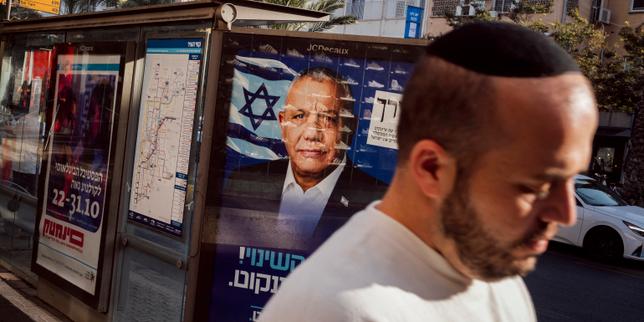
Elections are supposed to break stalemates, not cement them. Yet as voters head to the polls on October 27, 2026, the country feels trapped in a relentless political loop. Years of trauma, ongoing regional conflicts, and deep societal polarization have turned this race for the 120 seats of the Knesset into a high-stakes exercises in frustration. If you look past the glossy campaign posters and the viral AI-generated deepfakes flooding social media feeds, you find a political landscape that refuses to evolve.
Benjamin Netanyahu is running the same playbook that has kept him in power for decades. He pitches himself as the sole protector of the nation against existential threats from Iran and regional proxies. It is a message designed to exploit collective fears, especially in the wake of the devastating October 7 attacks. Even though a large portion of the public holds him directly responsible for the massive security failures of that day, polls show his right-wing bloc locked in a dead heat with the opposition, hovering around 50 to 52 seats each. No one is winning, and everyone knows it.
The Math Problem That Nobody Can Solve
Israeli politics has always been an exercise in coalition arithmetic, but this cycle is a mathematical nightmare. The threshold for entering the Knesset sits at 3.25 percent of the vote. Parties dance around this margin constantly. In fact, Benny Gantz's party recently bowed out after polls showed them crashing well below that cutoff.
With both major blocs stuck far away from the magic number of 61 seats needed for a majority, the post-election scenario looks bleak. You are looking at three unappealing paths:
- A shaky minority government dependent on outside votes.
- An awkward, forced national unity coalition.
- Complete gridlock leading straight to yet another round of elections.
The system is rigged against decisive leadership. Small faction leaders hold disproportionate leverage, dragging major policy decisions hostage to appease their narrow voter bases. Whether it is ultra-orthodox exemption disputes or extreme nationalist demands, the tail continues to wag the dog.
Security Rhetoric Versus Ground Realities
Campaign messaging focuses heavily on existential survival, but it completely avoids domestic structural issues. Housing costs are skyrocketing, the cost of living hurts ordinary families, and social divides are wider than ever. Politicians pretend these problems don't exist, opting instead for polarizing slogans.
Netanyahu's campaign has heavily leaned into binary framing, pushing the narrative that a vote for the opposition equals a surrender to foreign pressure and Palestinian statehood. This black-and-white rhetoric drowns out any nuanced discussion about long-term strategy. Meanwhile, the opposition struggles to articulate a cohesive alternative, often appearing fractured and reactive rather than visionary.
Where Do We Go From Here?
You cannot fix a broken political culture by doubling down on the exact tactics that broke it. Israel needs institutional reform, a clear constitutional framework, and leaders willing to trade short-term survival for long-term stability. Until those structural changes happen, voters will remain caught in the crossfire of perpetual campaign mode.
The ballots cast on October 27 won't solve the core contradictions of the state. They will simply hit the pause button on a crisis waiting to erupt again.



