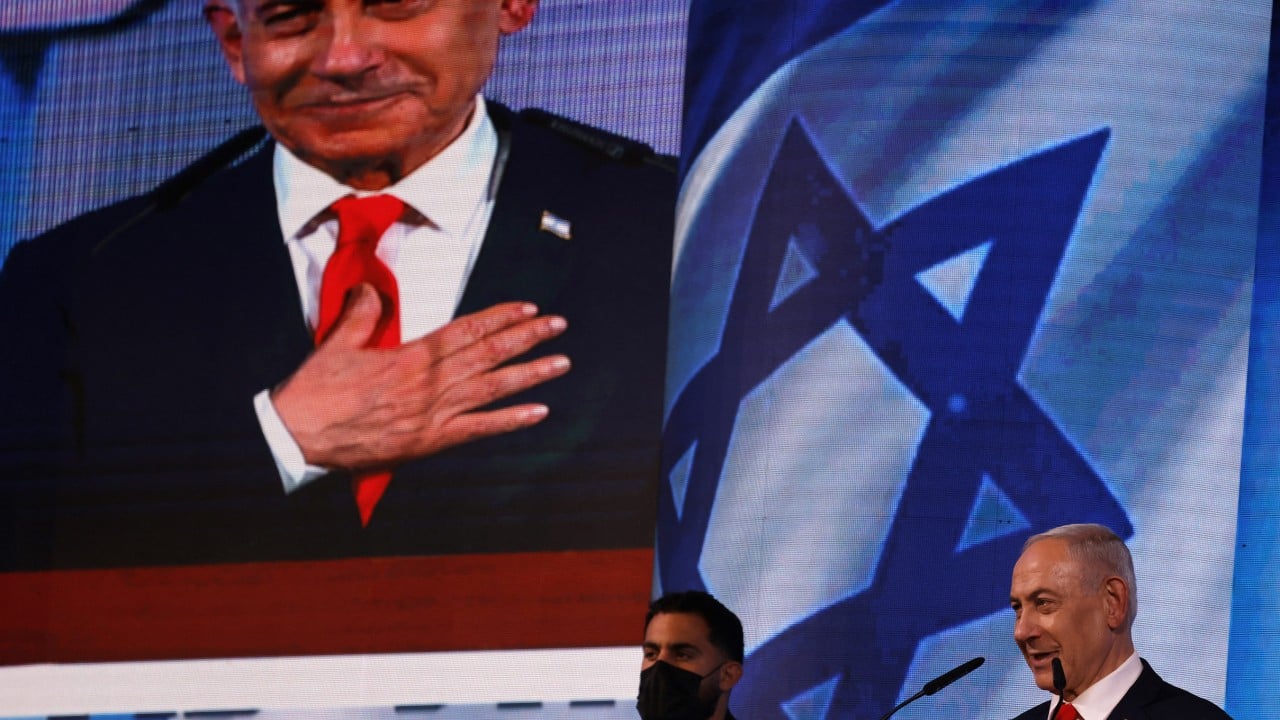
Elections in Israel rarely end cleanly, but the aftermath of the latest parliamentary vote has crossed into uncharted territory. Prime Minister Benjamin Netanyahu tried to discredit the entire democratic process by pointing fingers at Arab-majority parties, claiming widespread manipulation and pointing to isolated cash envelope arrests on polling day.
It didn't work. Israel's Central Elections Committee thoroughly reviewed the complaints and shot the allegations down. Dean Livne, acting director-general of the committee, dismissed claims of widespread fraud as entirely groundless. For Israel's long-serving leader, this ruling deals a massive political blow as opposition blocs look for any opening to piece together a governing coalition and finally push him out of office.
The Anatomy of the Fraud Claims
When political survival is on the line, baseline political strategies shift fast. Netanyahu and his Likud party zeroed in on isolated security incidents during voting, attempting to cast a shadow over ballots cast in Arab-Israeli communities. Police did arrest three suspects connected to cash envelopes on polling day, but election authorities quickly classified the event as an isolated local infraction rather than part of a systematic conspiracy.
Right-wing lawmakers demanded emergency committee sessions to investigate systemic rigging, but the electoral body refused to bite. Committee Chairman Judge Noam Solberg and other officials maintained that while minor procedural issues are investigated routinely, nothing uncovered compromises the integrity of the vote as a whole. The plenary session ultimately approved the final results, rendering Likud's narrative officially baseless in the eyes of the law.
Why the Timing Matters Right Now
You can't separate these fraud allegations from the high-stakes scramble to form a government. Netanyahu faces ongoing corruption trials, meaning losing executive power carries very real personal and legal risks, including potential jail time if state immunity slips away.
With the election results finalized and fraud claims dismissed, the arithmetic for forming a ruling coalition gets intensely complicated. Arab-majority parties hold potential sway in the arithmetic of the opposition, a reality Netanyahu has spent years warning Jewish Israeli voters about by tying them to Hamas rhetoric. Meanwhile, opposition figures like Yair Lapid and former military chief Benny Eisenkot are arguing that Netanyahu's political time is up, pointing out that his attempts to cling to power are damaging public trust in state institutions.
Eisenkot accused Likud of attempting a political strike against democratic norms, warning that political desperation shouldn't override national security. Tensions are running white-hot, especially with lingering security threats involving Iran and shifting diplomatic pressures from Washington.
The Broader Fallout for Israeli Politics
Refusing to accept election outcomes damages the institutional fabric of a country already deeply fractured by years of political deadlock. Israel cycled through five elections between 2019 and 2022 because single-party majorities proved elusive. Importing playbook tactics from American or global populist movements—where losing parties claim rigging without evidence—sets a dangerous local precedent.
The Central Elections Committee stood its ground, proving that independent oversight bodies still hold institutional teeth. But the political war is far from over. President Isaac Herzog will soon task a lawmaker with building a government, giving them twenty-eight days to corral a coalition. If that fails, the clock ticks down toward even deeper instability or fresh elections. Netanyahu's attempt to delegitimize the vote failed at the electoral desk, but the struggle to define Israel's political future moves directly into the Knesset.



