Baghdad has a major security leak. Iraqi Foreign Minister Fuad Hussein admitted openly that external actors are using Iraqi soil to launch military operations against neighboring countries.
If you've been watching Middle Eastern geopolitics, you know this isn't just a local policing issue. It's a high-stakes crisis threatening regional stability.
Let's look at what's actually happening on the ground.
The Reality of Cross-Border Attacks
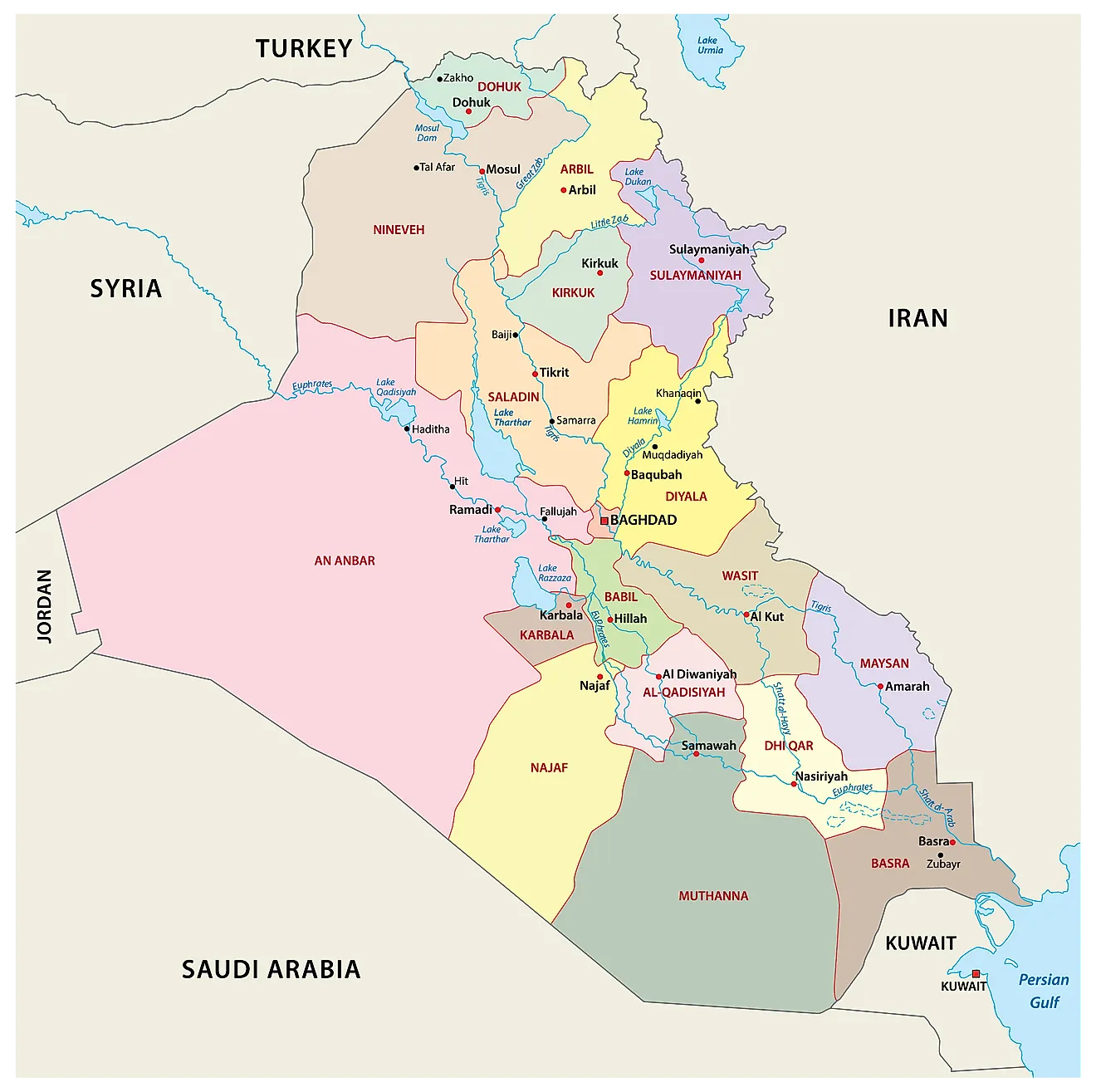
Iraqi authorities aren't sitting around ignoring the problem. They're actively investigating strikes targeting Gulf states that originated from within Iraqi borders.
External factions are exploiting weak spots in remote regions. They take advantage of complex terrain and fractured local security to move undetected. They set up launchpads, fire projectiles or drones toward neighbors, and vanish before state forces can respond.
Baghdad finds itself caught in the middle. The central government wants peaceful relations with every country in the region. Yet, rogue groups operating inside the country keep pulling Iraq into wider proxy conflicts.
Dealing With Armed Groups and Regional Diplomacy
Foreign Minister Hussein made it clear that Baghdad is trying to handle domestic armed factions through dialogue rather than all-out civil conflict. Bringing heavy weapons under state control is a slow, dangerous process. Push too hard, and you risk internal upheaval. Move too slowly, and neighbors lose patience.
At the same time, diplomatic channels are working overtime. Baghdad wants to iron out deep-seated disagreements with Saudi Arabia. Past tensions over infrastructure threats and oil pipelines taught Iraqi leadership a harsh lesson. You cannot build a stable economy when your territory serves as a staging ground for regional warfare.
Diplomats are also coordinating across borders to keep militant remnants like ISIL from staging a comeback. A joint security committee involving Iraq, Syria, Jordan, and Turkey proves that regional cooperation is the only realistic countermeasure.
The Economic Cost of Instability
Security failures hit the treasury immediately. Disruptions in vital shipping lanes like the Strait of Hormuz have cost Iraq dearly, with billions lost in halted oil exports.
When oil doesn't flow, state budgets bleed. Public services stall. Unemployment rises. Ordinary citizens pay the ultimate price for security breakdowns they didn't cause.
Baghdad's recent push to stabilize exports through talks with international stakeholders shows a desperate need for breathing room.
What Happens Next
Stopping external actors from using Iraqi land requires more than political promises. It demands tighter border control, better intelligence sharing, and real enforcement.
Neighboring capitals will keep the pressure on Baghdad. If Iraq cannot secure its borders, outside powers may take matters into their own hands.
The path forward is narrow. Iraq must assert absolute sovereignty over its territory before regional flare-ups consume its economic recovery.