Geopolitical chess boards rarely shift this fast. Following a crushing Republican defeat in the United States midterm elections, President Donald Trump hasn't backed down on foreign policy. Instead, he has floated fresh warnings of a heavy military hit against Iran. Tehran sees the writing on the wall. Rather than waiting for a potential second wave of airstrikes, Iranian state machinery has launched a frantic, high-stakes diplomatic offensive spanning from Moscow to the United Arab Emirates.
If you look past the standard political posturing, this sudden flurry of regional outreach exposes a deep sense of vulnerability inside Tehran. The leadership knows that domestic political pressure at home meets an unpredictable White House abroad. Here is how the pieces are moving right now, and what this frantic diplomatic sprint actually means for the Middle East.
The Moscow Connection and Strategic Alignment
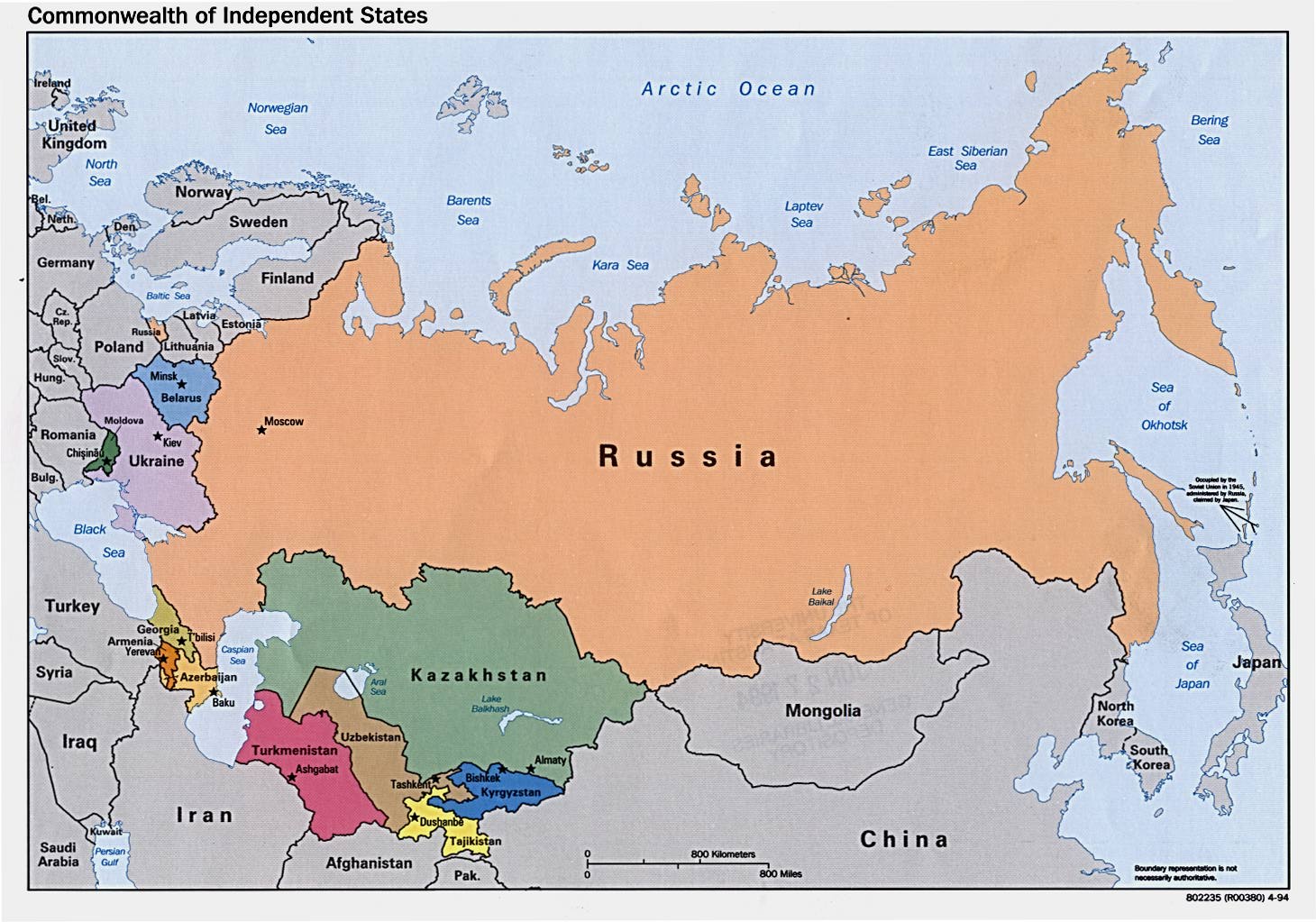
Tehran's first major stop in this crisis management strategy involves Russia. Mohsen Rezaei, who heads Iran's Supreme National Security Council, flew straight to Moscow to sit down with President Vladimir Putin. Rezaei delivered a direct message from the highest ranks of Iranian leadership, seeking concrete guarantees and economic lifelines.
Russia and Iran share an increasingly tight defensive alignment, highlighted by recent military hardware deals and mutual defiance of Western trade restrictions. Yet, Putin's primary focus remains locked on Ukraine. While Moscow is more than happy to needle Washington by backing sanctions relief for Iran, Putin has stopped short of fully endorsing Tehran's hardline demands—such as forcing the United States to unilaterally dismantle its naval blockade before any nuclear negotiations resume.
This creates a ceiling on what Iran can extract from Russia. Moscow wants a partner against Western pressure, but it doesn't want to get dragged into a direct military confrontation in the Persian Gulf that it cannot control. Tehran is learning that great-power sympathy has strict limits when bullets start flying near vital shipping lanes.
Reaching Across the Gulf to the UAE and Neighbors
While Tehran coordinates with Moscow, its top diplomat, Abbas Araghchi, has been burning up phone lines and air miles across the Middle East. Araghchi engaged in urgent talks with foreign ministers in Saudi Arabia, Qatar, Oman, and Turkey, while keeping lines open with the UAE.
Why the sudden charm offensive toward regional neighbors who spent years keeping Iran at arm's length? Simple survival. Tehran wants to ensure that Gulf states do not provide logistical backing, airspace, or silent approval for any renewed American offensive. By offering selective exemptions from restrictions in the Strait of Hormuz to specific countries like China, India, and Qatar, Iran is trying to carve out economic stakeholders who have a direct interest in preventing total war.
It is a clever wedge strategy, but it carries immense risk. When oil tankers catch fire in the strategic waterway and maritime traffic faces continuous threats, neighboring capitals grow increasingly nervous. Gulf leaders know that playing mediator between Washington and Tehran is a tightrope walk without a safety net.
The Midterm Fallout and Washington's Next Move
The backdrop to this entire diplomatic scramble is the severe political earthquake in Washington. The historic losses for the Republican party in the midterms left Trump facing a newly empowered Democratic majority in both the House and the Senate. History shows that presidents facing legislative gridlock often lean heavily into their executive powers on foreign and military policy.
Trump's inner circle is debating the utility of further strikes against Iranian nuclear infrastructure or military assets, even as defense officials face intense scrutiny from Capitol Hill. State TV commentators in Tehran have made it clear they don't believe a minor, symbolic military gesture will satisfy Washington. They are bracing for a much harsher confrontation, which explains why the diplomatic offensive feels less like a genuine peace overture and more like an effort to build an international alibi.
Iran wants to prove to the global community that it exhausted every possible diplomatic avenue before any escalation occurs. At the same time, regional mediators like Qatar continue frantic shuttle diplomacy, trying to find a sequence of concessions that can satisfy Washington's insistence on disarmament while protecting Tehran's political pride.
The next few weeks will test whether words can travel faster than missiles. The diplomatic machinery is running at maximum capacity, but the underlying hostility remains entirely unyielding.



