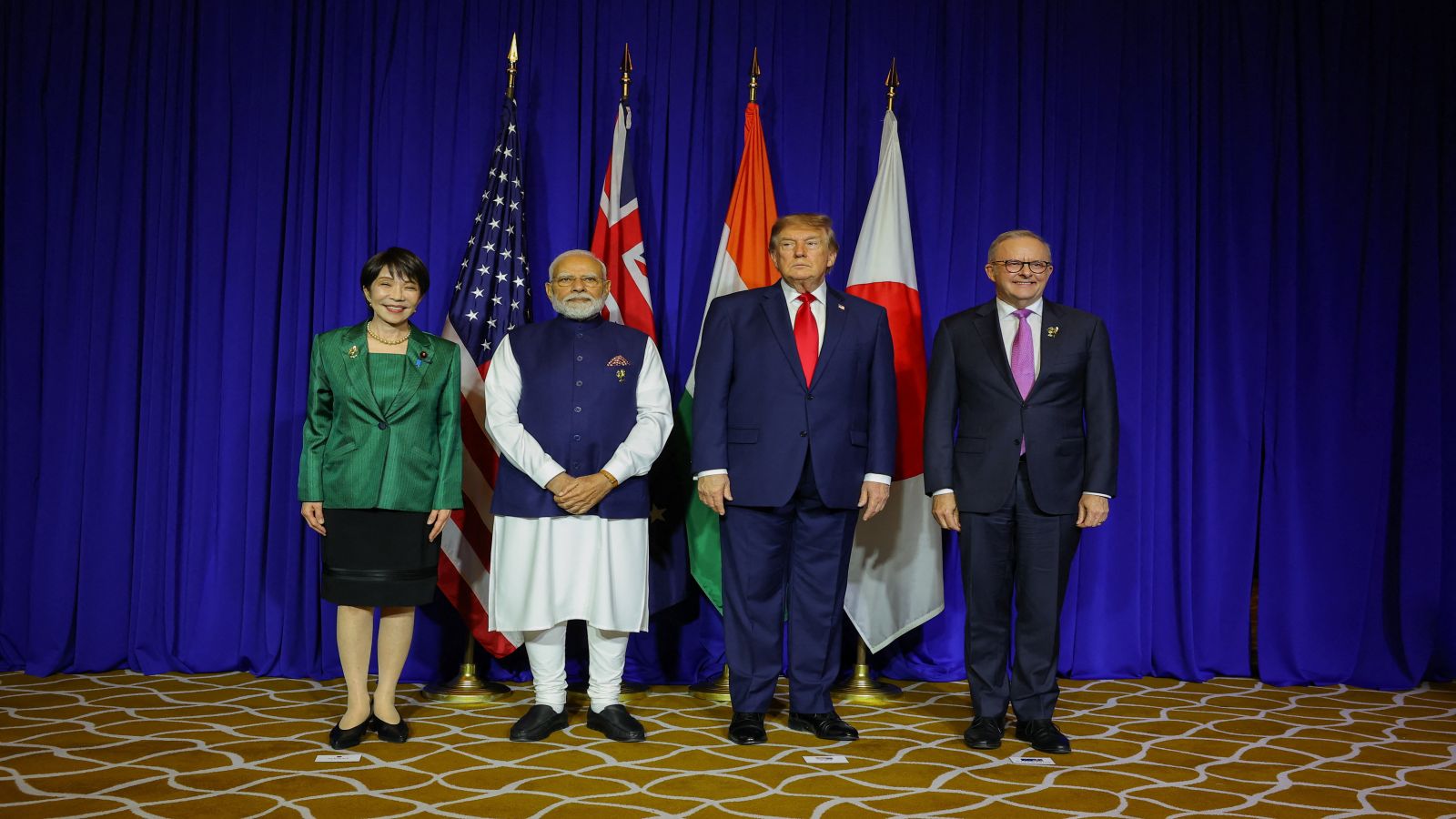
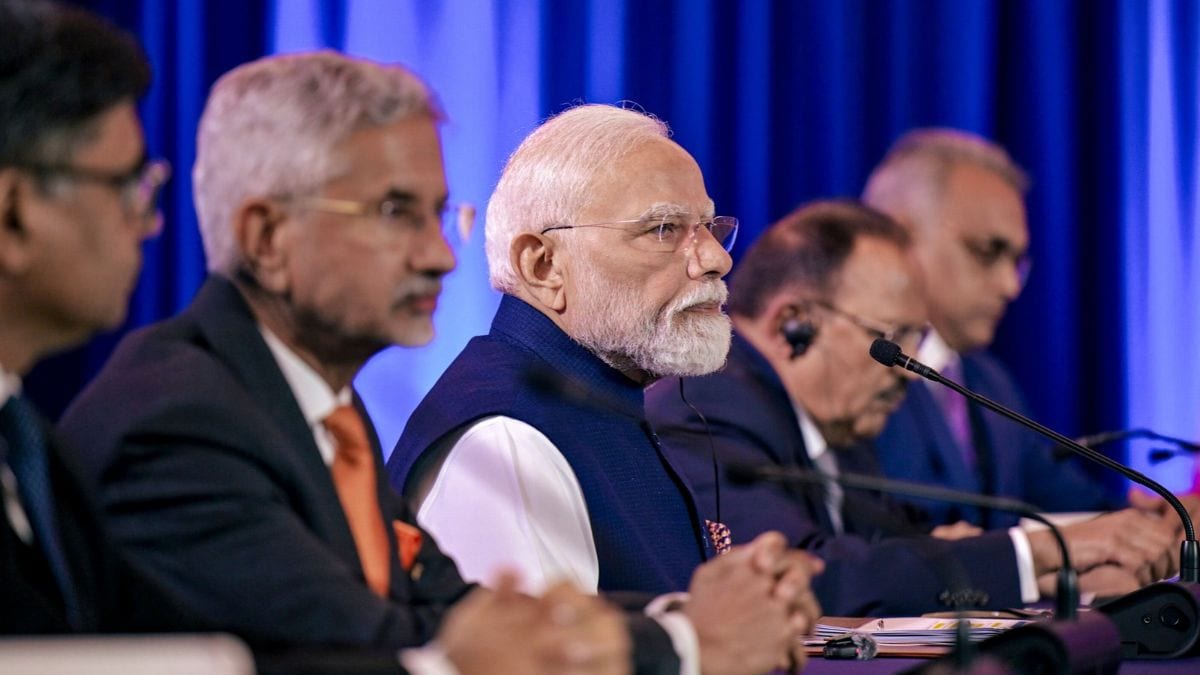
Geopolitical posturing usually relies on a zero-sum script. One nation gains, another loses, and everyone nervously checks their defense budgets. Prime Minister Narendra Modi threw out that playbook during the 23rd India-ASEAN Summit in Manila. Standing before regional leaders, he delivered a sharp reality check: the shared future of nearly a quarter of the global population depends entirely on cooperation rather than cutthroat competition.
That message lands differently in 2026. Supply chains remain fragile, regional waters grow tense, and smaller economies constantly feel squeezed between competing superpowers. India and the Association of Southeast Asian Nations (ASEAN) are choosing a different lane. Instead of fighting for market dominance or regional supremacy, New Delhi and its southeastern neighbors are locking arms around a shared economic and security trajectory.
The Shift From Rhetoric to Realignment
For decades, diplomatic speak at regional summits involved polite handshakes, vague declarations on peace, and very little concrete follow-through. Modi’s address in Manila signaled a hard pivot toward execution. He tied India’s domestic economic roadmap—specifically the Viksit Bharat 2047 vision—directly to the ASEAN Community Vision 2045.
When two major economic blocs align their long-term planning frameworks, it stops being about diplomatic optics and starts looking like structural integration. India’s Act East Policy has quietly evolved from an outreach slogan into a working mechanism. Look at the numbers. Since 2014, India has pushed past 100 dedicated initiatives to tighten people-to-people bonds, rolling out roughly 250 Quick Impact Projects and dishing out upwards of 10,000 skill-building scholarships across Southeast Asian nations.
People often miss the operational reality of these ties. Direct flights keep multiplying, tourism corridors are expanding, and trade is shifting away from traditional commodity exchanges into high-value domains like space technology, digital public infrastructure, and defense manufacturing.
Why Competition Fails the Indo-Pacific
Container ships don't care about national egos, and digital economies don't run on protectionist walls. If India and ASEAN nations chose to compete in every single sector, duplication of effort would drain resources both sides desperately need for infrastructure and climate resilience.
Consider the technological front. Southeast Asia is digitizing at a breakneck speed, facing identical challenges to India regarding cyber security, financial inclusion, and digital identity systems. By sharing open-source digital architecture instead of licensing expensive, proprietary software from Western tech giants, both regions save billions while insulating themselves from external economic shocks.
Modi pointed out that the international order faces one crisis after another, making predictability and stability absolute prerequisites for survival. When regional partners build mutual dependency instead of rival supply chains, they insulate local markets from global disruptions.
Connecting the Infrastructure Dots
Diplomacy requires asphalt, not just speeches. Connectivity remains the historical test of the India-ASEAN partnership. From maritime security frameworks in the Indo-Pacific to land corridors cutting through Myanmar and Thailand, physical integration moves slowly because building cross-border infrastructure is messy.
Yet, momentum is building. Naval exercises like IMNEX show a deepening security trust that wasn't there a decade ago. It's not about forming a defensive military alliance meant to provoke external powers. It’s about keeping maritime trade lanes open, secure, and free from unilateral control. When local nations secure their own neighborhood, outside bullies lose their leverage.
What Comes Next for the Partnership
The real test of Manila’s summit won't be found in the joint press statements. It will show up in how fast maritime trade agreements are updated, how smoothly digital public goods cross borders, and whether defense cooperation moves beyond joint drills into collaborative hardware development.
India's development is deeply tied to Southeast Asia's prosperity. When two billion people decide to build together rather than fight over the same slice of the pie, the balance of global power shifts. Watch the bilateral trade agreements signed over the next twelve months to see if this momentum holds.