Diplomatic press releases love polite phrasing. They talk about "warm and friendly ties" and "sustained institutional dialogue" while hiding the real friction underneath.
When India and Georgia held their ninth Foreign Office Consultations in New Delhi on November 25, 2026, they weren't just checking boxes on a diplomatic calendar. Connectivity and energy sat right at the center of those talks, and honestly, there's a lot more at stake than a standard readout lets on.
A wire report from ANI published by The Tribune sums up the surface details cleanly. Secretary (West) Sibi George led the Indian side, while Deputy Minister of Foreign Affairs Alexander Khvtisiashvili represented Georgia. Both sides looked at trade, investment, infrastructure, energy, connectivity, education, and culture, and agreed to meet next in Tbilisi. That followed an October sit-down in Abu Dhabi—around Raisina Middle East—between External Affairs Minister S. Jaishankar and Georgian Foreign Minister Maka Botchorishvili.
Reading those dispatches side by side gives you the who, where, and when. It doesn't tell you why two countries separated by mountains, seas, and competing geopolitical priorities are pushing harder on transit and energy right now.
Why Connectivity and Energy Matter Between India and Georgia
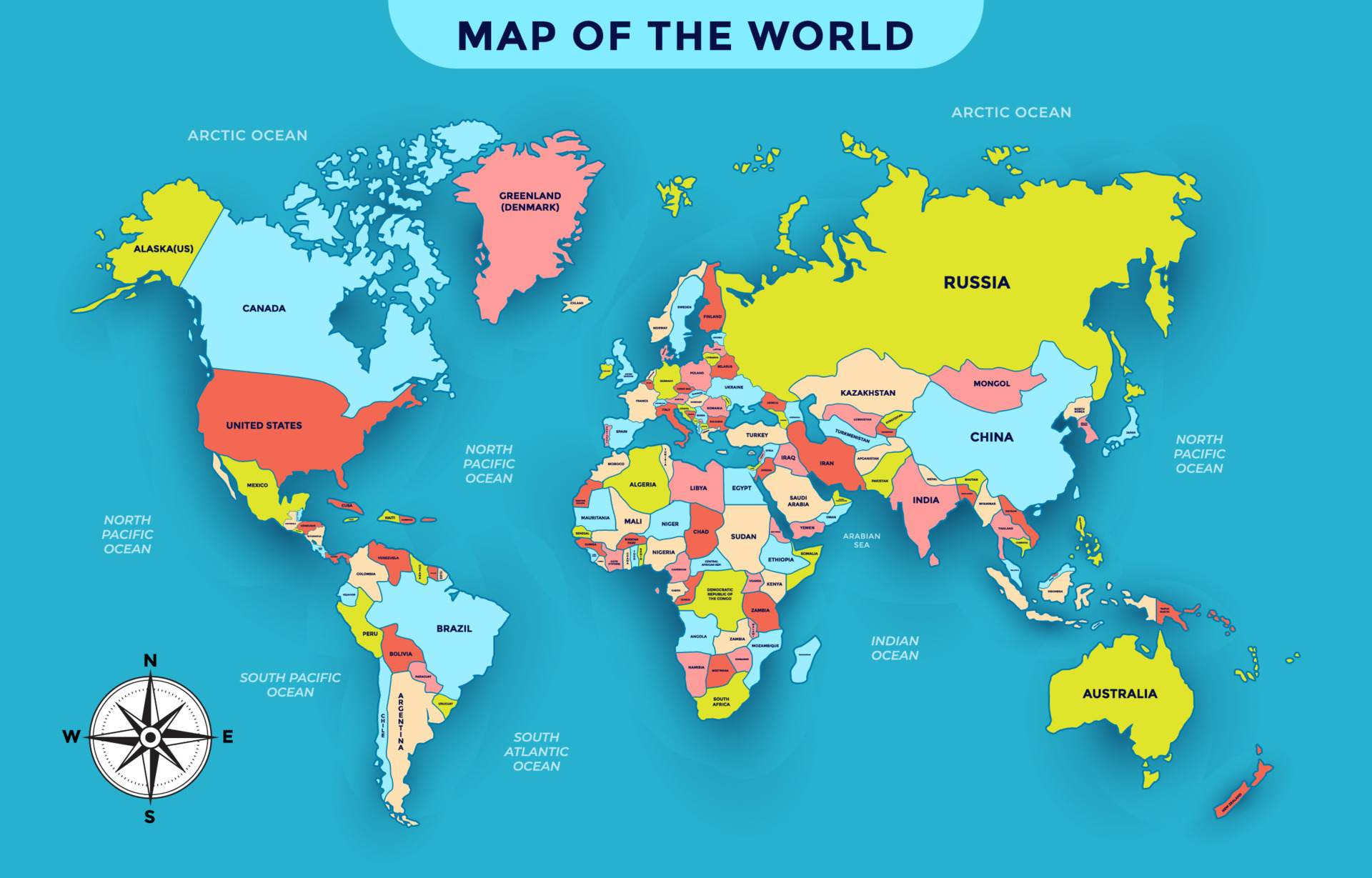
On paper, Georgia looks like a neat transit shortcut between Asia and Europe. Sit on the eastern shore of the Black Sea, bridge the South Caucasus, and suddenly your map looks brilliant.
In practice, corridor politics is messy. Anyone who has watched Eurasian logistics over the past decade knows that routes don't magically open just because diplomats like the geometry. Ports need deep-water capacity and rail links, customs regimes have to line up, and shipping lanes carry real geopolitical risk. When Indian officials talk connectivity with Tbilisi, they're looking at how goods, supply chains, and commercial ties move across wider Eurasian corridors without getting choked at a single bottleneck.
Energy works the same way. India is a massive energy consumer trying to diversify supply routes and build resilience across shifting global markets. Georgia sits along major energy transit arteries connecting the Caspian basin and wider regional networks toward European markets, while also managing its own domestic power grid and renewables ambitions.
What often trips people up—including plenty of armchair commentators—is assuming that "energy cooperation" automatically means huge oil or gas deals overnight. Sometimes it does. Often it starts much smaller: grid expertise, clean energy tech, regulatory coordination, or figuring out how regional power and transit shifts affect business risk.
What the Wire Reports Leave Out
Wire dispatches are built for speed, not context. They capture the meeting, a couple of official lines from India's Ministry of External Affairs, and a social media post or two from October in Abu Dhabi.
That leaves three big questions hanging for anyone tracking bilateral relations or regional trade:
- How do diplomatic talks turn into commercial cargo? Foreign office consultations set priorities and clear bureaucratic hurdles. Actual freight moves when shippers, insurers, port operators, and banks see predictable transit times and clear customs rules.
- Where does education and tourism fit into hard infrastructure? It's easy to treat student exchanges and tourism as soft fluff next to energy and logistics. They aren't. People-to-people ties build trust, familiarity, and business networks that keep trade alive when big infrastructure projects hit delays.
- What happens after the next round in Tbilisi? Agreeing to hold the next consultations in Georgia's capital signals ongoing momentum, yet real progress shows up in working-group follow-ups, trade numbers, and concrete sector agreements—not just another joint statement.
There's also a healthy dose of realism needed here. Bilateral trade between India and Georgia has plenty of room to grow, and both sides have publicly emphasized expanding economic linkages. Still, ambition isn't a shipping container. Geography, regional tensions, and competing corridor projects mean progress tends to be gradual rather than explosive.
Common Mistakes People Make Reading Bilateral Briefs
If you follow foreign policy or trade news, it's easy to fall into two traps whenever a readout mentions "connectivity and energy."
The first mistake is treating every diplomatic phrase as a done deal. When leaders say they explored ways to broaden engagement in infrastructure and energy, that usually means scoping opportunities and identifying bottlenecks, not signing multi-billion-dollar construction contracts that afternoon.
The second mistake is ignoring regional complexity. Georgia's neighborhood is geopolitically sensitive, and global energy markets have been anything but calm. Any serious observer looks at how transit corridors handle disruption, how insurance and routing costs behave, and how neighboring powers react.
What actually works in bilateral diplomacy? Quiet institutional follow-through. Keeping channels open between New Delhi and Tbilisi, pairing high-level meetings like the October Abu Dhabi conversation between S. Jaishankar and Maka Botchorishvili with technical consultations like the ninth Foreign Office round, and letting trade and tourism build steady momentum underneath.
Practical Next Steps If You're Tracking This Space
If you're an analyst, importer, exporter, or policy watcher trying to separate real movement from routine diplomatic noise, here's how to track it smartly:
- Read primary official statements alongside wire reports. Check releases from India's Ministry of External Affairs and Georgia's Ministry of Foreign Affairs to spot subtle shifts in language, such as new working mechanisms or specific sector mentions.
- Watch trade and logistics indicators, not just headlines. Look for updates on customs facilitation, maritime and rail corridor discussions, and business delegations rather than relying on one-line summaries.
- Keep an eye on the next Tbilisi round. Use the upcoming Foreign Office Consultations in Georgia as a checkpoint to see whether November's discussions on connectivity and energy moved from general scoping to concrete action.