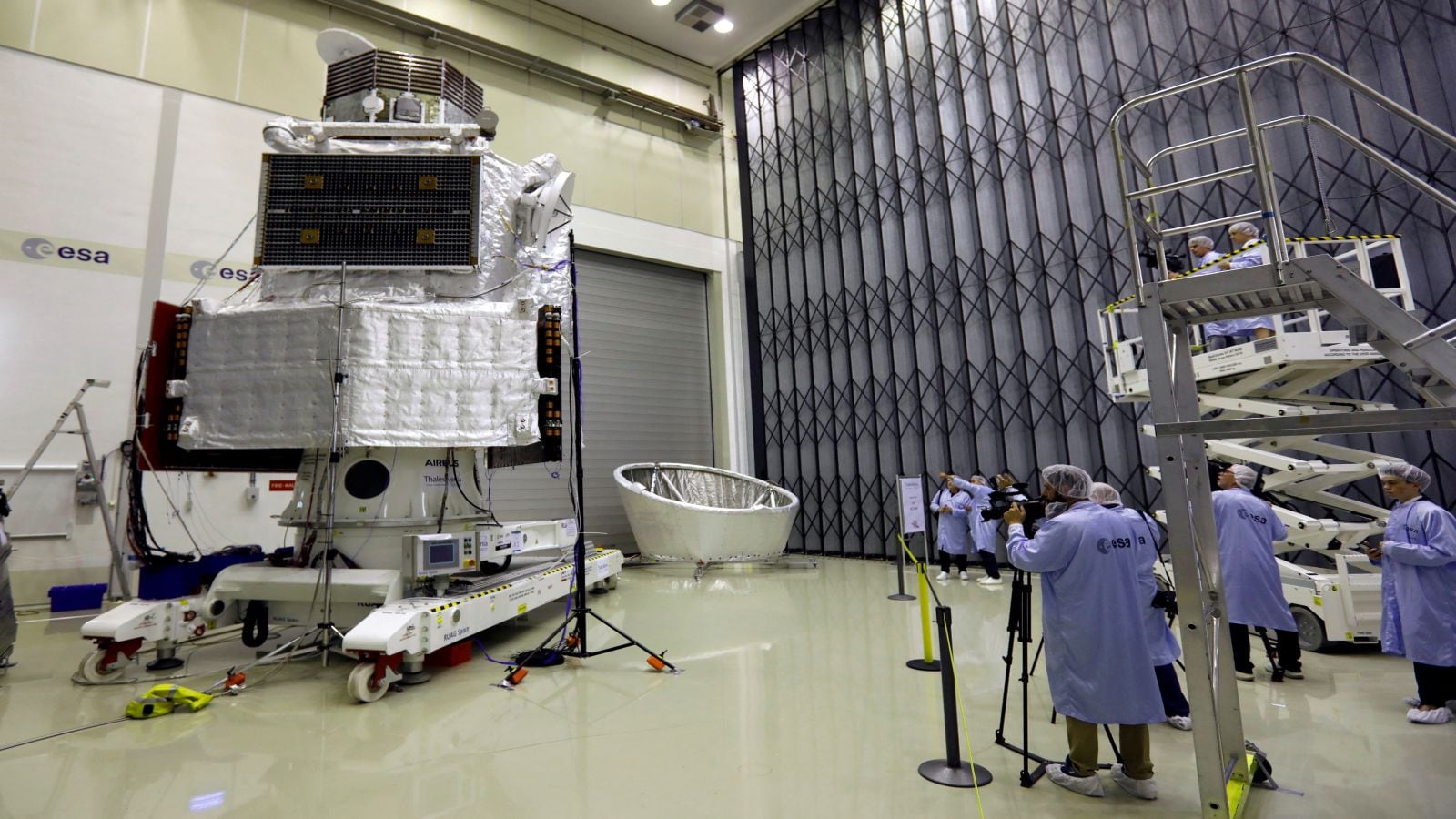
India and Brazil are doing something unusual in the aerospace industry. Instead of relying solely on traditional state-run monopolies, private companies from both nations are teaming up to build a brand-new satellite launch vehicle.
This isn't just another bureaucratic memorandum signed behind closed doors. It's a pragmatic bet on private innovation, cheaper access to low Earth orbit, and two rising economies refusing to stay in the slow lane of space technology.
If you look past the standard press releases, this partnership tells a much bigger story about how global space exploration is shifting.
The Deal Behind the Headlines
In October, during the International Astronautical Congress in Antalya, Turkey, a deal was struck that caught the attention of aerospace engineers worldwide. Concert Technologies, part of Brazil's Micro Launcher Program consortium, signed a two-year memorandum of understanding with Skyroot Aerospace, based in Hyderabad.
The goal? Build a rocket capable of carrying payloads of at least 100 kilograms into low Earth orbit.
Brazil's domestic microlauncher program has traditionally targeted smaller payloads around 40 kilograms. Skyroot, meanwhile, made headlines back in 2022 when it launched the Vikram-S, becoming
Why the India and Brazil Space Partnership Actually Changes the Satellite Game
technology
When two major developing space programs decide to team up, the old guard in Washington, Moscow, and Europe usually pays attention. That is exactly what happened when India and Brazil started aligning their sights on joint satellite launch vehicle development. People often look at space cooperation as diplomatic window dressing. This partnership is different. It is about access, cost-efficiency, and bypassing the traditional bottlenecks that keep emerging space nations locked out of orbit.
If you have watched the global space market over the last decade, you know it is undergoing a massive shift. It is no longer just about flags and footprints. It is about who can put hardware into low Earth orbit cheaply, reliably, and on their own terms. India's space agency, ISRO, has built a reputation for doing more with a fraction of NASA's budget. Brazil brings unique geographic advantages and growing technical prowess through AEB. Together, they are creating a blueprint for what mid-tier space powers can achieve without bending the knee to legacy aerospace monopolies.
The Real Drivers Behind the India Brazil Space Alliance
Let us look past the press releases. Why do India and Brazil need each other for satellite launch vehicle development?
Brazil has Alcântara Space Center. Geographically, it sits very close to the equator. That is a massive asset for launching rockets because Earth's rotational speed gives launches a free boost, saving massive amounts of fuel. But Brazil has struggled historically with infrastructure and rocket propulsion technology setbacks.
India has the opposite strengths. ISRO mastered heavy-lift and polar-orbit launches through decades of methodical, low-cost engineering. They have proven vehicles like the PSLV and LVM3. What India gains from a partner like Brazil is strategic geographic positioning and a stronger foothold in South American aerospace markets, while Brazil gets direct technology transfer and operational know-how that would take decades to build alone.
This is not a charity case. It is a calculated trade of geographic assets for proven engineering muscle.
What Most People Get Wrong About Global Space Partnerships
When news outlets cover international space pacts, they treat them like movie scripts. They talk about a unified front conquering the cosmos. The reality is much messier. Bureaucracy, supply chain differences, and intellectual property concerns always cause friction.
Brazil has had its share of rocket program heartbreaks in the past, including the tragic 2003 accident at Alcântara. Rebuilding that capability requires extreme precision and absolute trust. India cannot just hand over a blueprint and walk away. Joint development means co-engineering, joint testing, and navigating vastly different regulatory environments.
Yet, this friction is precisely why the partnership works. Both nations are used to working under tight budget constraints. They do not have billions of dollars to burn on trial-and-error failures the way private billionaires do. Every dollar spent on this satellite launch vehicle project has to deliver functional results. That pressure breeds practical design choices that over-funded agencies often overlook.
The Satellite Launch Vehicle Details That Matter
When you dig into the mechanics of what these two agencies are building, the focus centers on modular propulsion and payload efficiency. Smaller commercial payloads are dominating the market right now. Nobody wants to wait years for a dedicated heavy rocket slot just to launch a cubesat or a regional earth-observation satellite.
The joint effort targets the sweet spot of the market. We are talking about vehicles designed to carry micro and nano-satellites into specific equatorial and sun-synchronous orbits.
Consider the implications for earth observation. Brazil desperately needs reliable satellite data to monitor deforestation in the Amazon, manage agriculture, and track weather patterns. Relying on foreign data providers is an economic and security risk. By developing indigenous launch capabilities alongside India, Brazil secures sovereign eyes in the sky. Meanwhile, India expands its commercial footprint, proving that its rocket technology can be adapted, built, and launched in partnership with international allies.
Breaking Down the Geopolitical Chessboard
You cannot talk about rocket launches without talking about geopolitics. The United States, China, and the European Union dominate the commercial launch market. For countries like India and Brazil, buying launch services from these superpowers means accepting export controls, technology transfer restrictions, and geopolitical strings attached.
By cooperating with each other, they diversify their options. This is about strategic autonomy. India has always fiercely guarded its independent space policy, refusing to sign away its domestic tech development to foreign pressure. Brazil is moving in that same direction. When you share the development costs and engineering risks with another regional powerhouse, you stop being a client state and start becoming a market maker.
Practical Takeaways for the Future of Launch Tech
If you are watching the aerospace sector, keep an eye on how these joint developments influence supply chains.
- Decentralized Manufacturing: Expect to see more cross-border component sharing where rocket parts are built where manufacturing is cheapest and most efficient, then assembled closer to the launch site.
- Equatorial Advantage: Alcântara will see renewed interest from commercial operators looking for cheaper equatorial launch options outside of French Guiana.
- Cost Benchmarks: ISRO's obsession with frugality will likely force a re-evaluation of how other nations price out medium-lift vehicle development.
The satellite launch business is brutal. Rockets explode, budgets get slashed, and political winds shift overnight. But the India-Brazil venture is built on practical complementary needs rather than hollow diplomatic handshakes. They want cheap, reliable access to space, and they are willing to share the workload to get it. Watch the launch pads over the next few years. That is where the real story will unfold.