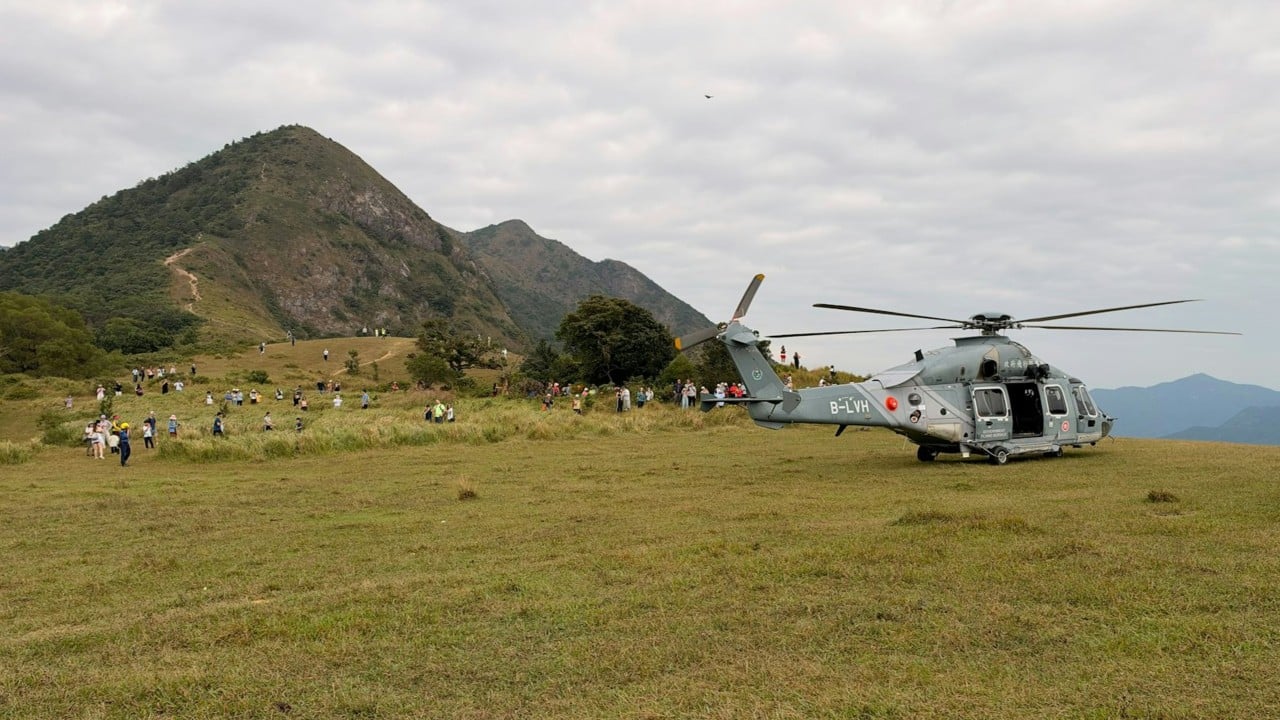
Free flight looks peaceful from the ground. Up in the wind currents above Sai Kung or Lantau, things get complicated fast when untrained flyers enter crowded airspace. Recent headlines involving an untrained pilot crashing into hikers have reignited an intense debate over extreme sports regulation. The Hong Kong Paragliding Association is now stepping up, backing strict compulsory registration to crack down on rogue operators and self-taught flyers who treat public safety as an afterthought.
If you enjoy hiking local trails or take part in air sports, this shift affects you. For years, the community operated on a high degree of self-regulation. That model is breaking down. When unqualified individuals launch wings without understanding micro-meteorology or emergency procedures, innocent bystanders pay the price. Let us look at why current oversight failed, what compulsory registration actually changes, and whether it goes far enough to fix the skies.
The Danger of the Self-Taught Pilot
Paragliding isn't like flying a drone you bought online. You're strapping yourself to fabric and nylon lines, launching off steep ridges, and relying entirely on wind dynamics to stay alive and land safely. Yet, online tutorials and secondhand gear have tempted thrill-seekers to skip professional instruction entirely.
Self-taught pilots lack critical risk-assessment skills. They don't know how to read Rotor zones, manage sudden thermal collapses, or judge when wind speeds exceed their wing's capabilities. When a pilot makes a severe miscalculation, gravity doesn't negotiate.
The recent incident where an uncertified pilot plowed into hikers highlights a systemic loophole. Reports surfaced indicating that industry groups knew about this specific flyer's lack of credentials months before the crash occurred. Warning signs were ignored until injuries happened. That gap between awareness and enforcement is precisely why authorities and associations are pivoting toward rigid oversight.
What Compulsory Registration Entails
Voluntary guidelines clearly aren't working. Under a compulsory registration framework, accountability shifts from an honor system to strict legal requirements. Pilots would need to register their equipment, prove their certification level through recognized bodies like the Hong Kong Paragliding Association or international equivalents, and maintain mandatory third-party liability insurance.
Think of it like driving a car on public roads. You wouldn't expect someone to weld a chassis together in their garage, skip driving school, and merge onto the highway without a license or plates. Why should launching a canopy over populated country parks be any different?
Registration creates a paper trail. If a rogue pilot cuts off another wing, ignores airspace restrictions, or crashes near hiking paths, authorities can track the equipment serial number and trace it directly to an accountable individual. Anonymity in extreme sports shields reckless behavior. Take away the anonymity, and safety standards naturally improve.
Pushback and Practical Realities
Change always meets resistance. Independent flyers often argue that rigid bureaucracy kills the adventurous spirit of free flight. Some worry about rising costs, excessive paperwork, or gatekeeping by local associations.
Those concerns deserve scrutiny, but they don't outweigh public safety. Country parks belong to everyone. Hikers, families, and trail runners shouldn't have to dodge descending canopies piloted by amateurs who cannot safely control their descent. If you want to share airspace near densely populated urban fringes, proving your competency is a basic obligation.
Enforcement remains the real hurdle. Hong Kong's country parks are vast, rugged, and largely unpoliced. Spot-checking pilots on remote launch pads takes manpower. Registration rules alone won't stop a determined thrill-seeker from launching off a hill at dawn unless rangers or police have clear protocols to confiscate unregistered gear and levy steep fines.
Moving Beyond Paper Policies
Passing a registration rule solves nothing if it sits on a shelf as a PDF nobody reads. The government and aviation authorities need to back up the association's stance with actual enforcement teeth.
Clear identification numbers on helmets and wings, active patrols during peak flying seasons, and severe penalties for unlicensed flying will weed out the cowboys. True freedom in aviation depends entirely on discipline and shared rules. Without them, public backlash will eventually push authorities to ban the sport altogether. Registration is the compromise that keeps the skies open for those who take safety seriously.


