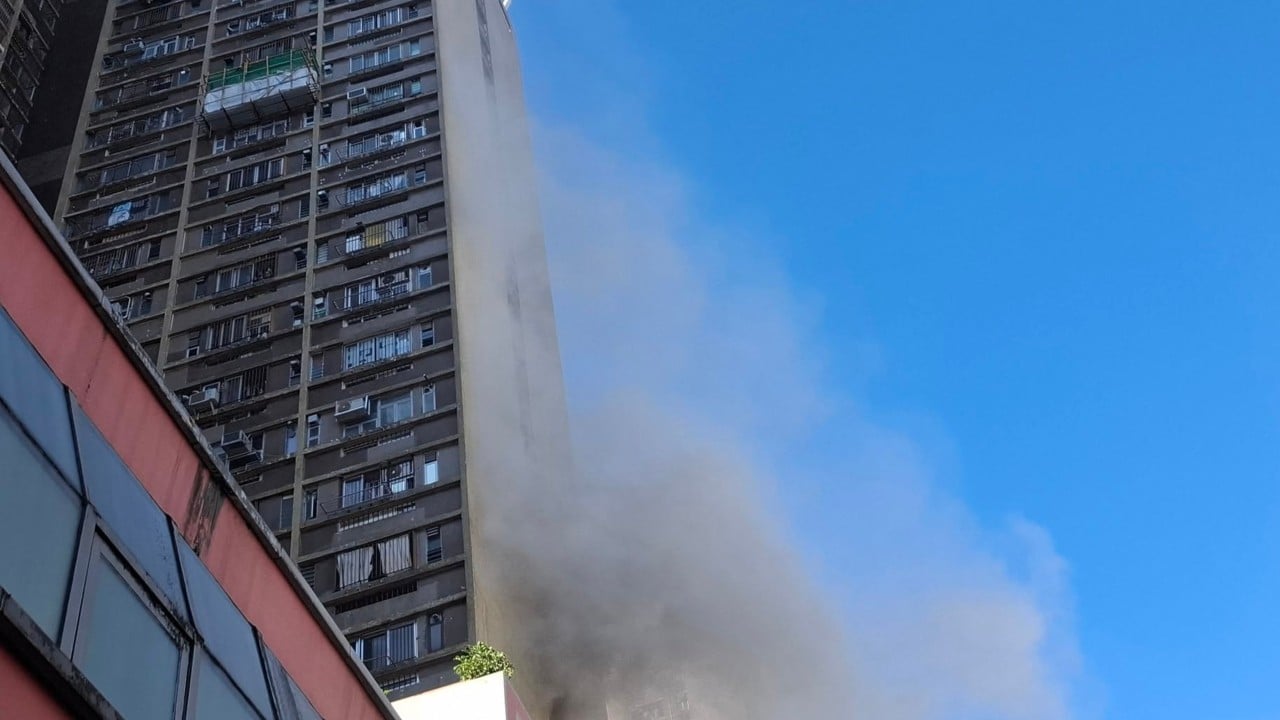
Another alarm rings. Another apartment fills with black smoke. Another tragic loss unfolds behind closed doors in a public housing estate.
An 80-year-old woman living alone perished inside her apartment at Lung Kwong House within the Lower Wong Tai Sin Estate when a sudden morning fire broke out. Around 300 residents had to evacuate in a hurry, navigating stairwells filled with haze while emergency crews battled the flames. According to senior station officer Chan Chun-wai, the apartment was heavily packed with clutter, creating an extreme hazard that turned a localized ignition into a deadly trap. Investigators are currently examining whether a discarded cigarette butt or ritual incense burning sparked the disaster amid the dense accumulation of flammable debris.
It is a grim scenario that plays out far too often in dense urban environments. When you pack a small living space with stacks of paper, plastic bags, and household items, you aren't just creating a messy room. You're building a tinderbox.
The Hidden Danger Inside Single-Occupant Flats
Living alone brings vulnerability. When an elderly person struggles with mobility or isolation, accumulating possessions often becomes a coping mechanism or an overlooked habit. Over the years, newspapers, boxes, and nylon bags pile up against walls and block windows.
In a standard apartment, a stray ember from a cigarette or a joss paper ritual might singe a floor mat or burn out safely in an ashtray. In a cluttered flat, that same ember lands on a mountain of dry fuel. Flames spread in seconds. Thick, toxic smoke blinds anyone trying to find the door.
Fire safety officials point out that excessive clutter does three deadly things during a fire:
- It feeds the blaze, causing temperatures to spike rapidly.
- It blocks exits, trapping residents inside rooms or hallways.
- It obstructs firefighters from entering quickly to perform rescues.
Why Standard Community Outreach Falls Short
Social welfare departments and housing management teams across the city regularly run campaigns advising residents to keep common corridors clear and clean up their apartments. Yet, posters and flyers don't solve the root cause.
Many seniors who accumulate massive amounts of belongings suffer from psychological distress, deep-seated anxiety, or social isolation. Forcing a clean-up without addressing the emotional attachment to items often results in resentment or secretive re-accumulation. Traditional inspections only scratch the surface because workers rarely get full access to private living quarters unless a complaint or emergency forces the issue.
Neighborhood support networks need to change tactics. Neighbors are often the first to notice strange smells, unusual hoarding patterns, or safety hazards, but they rarely know who to call before tragedy strikes. Building management offices should establish anonymous reporting lines specifically for fire hazards, paired with professional social worker intervention rather than immediate punitive warnings or eviction threats.
Protecting Vulnerable Residents Before Disaster Strikes
If you have elderly relatives or neighbors living alone, pay attention to their living conditions. Don't wait for a loud explosion or thick smoke to force an inspection.
Start conversations early about space, safety, and mobility. Offer to help clear pathways near doors and windows so that escape routes remain viable. Support local community groups that specialize in elderly care and clutter management, as these organizations know how to handle sensitive hoarding issues with empathy and practical assistance.
Urban density shouldn't mean isolation. Solving this crisis requires active community involvement, persistent welfare checks, and a complete overhaul of how housing authorities support vulnerable seniors living by themselves.
Check your building's fire escape routes today. Clear the clutter before it claims another life.



