Drug discovery doesn't run on quarterly profit margins. Yet, many financiers expect early-stage life sciences companies to behave like consumer tech apps, turning a fast profit within months of hitting public boards.
That tension sits at the heart of Hong Kong's current push into life sciences. As clinical-stage enterprises eye public listings under the city's specialized pre-profit rules, executive leadership is pushing past the noise to point out what is actually missing: long-term conviction.
The Reality of Funding Drug Development
When you look at how medical breakthroughs actually happen, the timeline is brutal. Moving an immunotherapy or a DNA vaccine from initial laboratory validation through rigorous human trials takes years, often consuming millions of dollars before a single dollar of commercial revenue materializes.
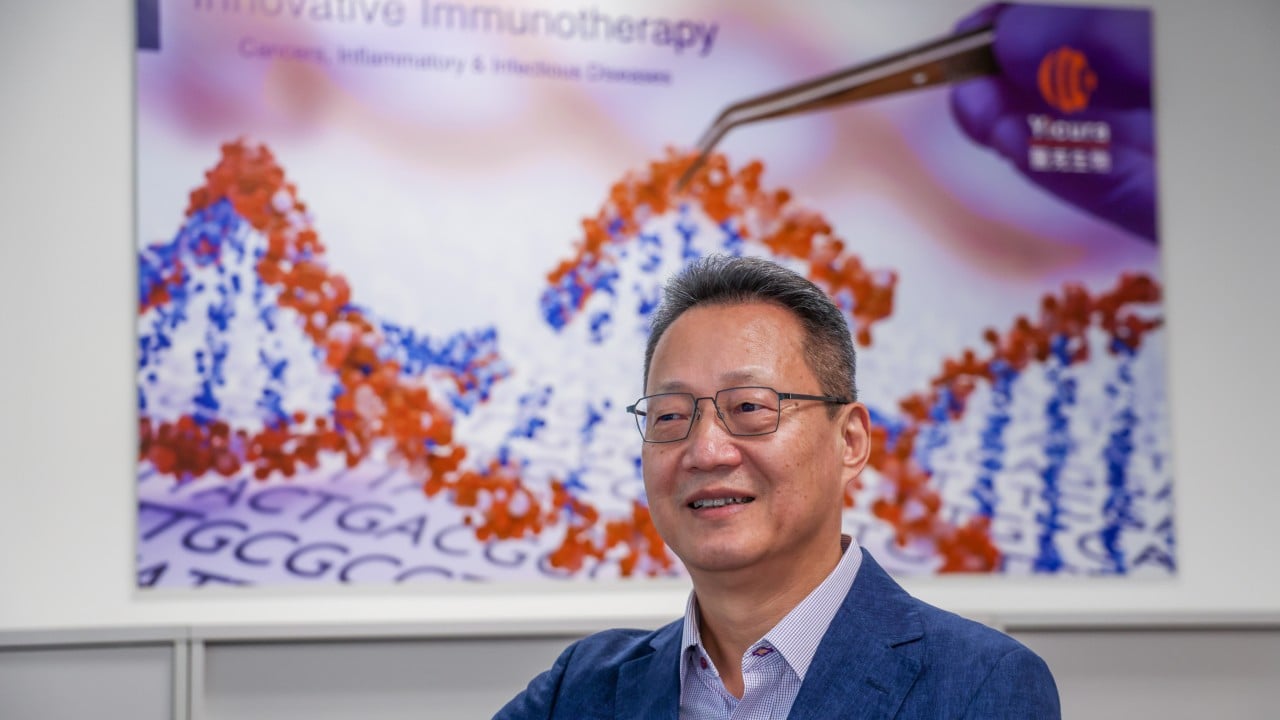
Yicura BioMed, a clinical-stage group stationed at the Hong Kong Science Park, is navigating this exact gauntlet. Working on complex pipelines targeting cancers, inflammatory conditions, and infectious diseases like HIV through its ICVAX platform, the firm has been moving through its Series B fundraising rounds with an eye toward a public debut. To read more about the background of this, Business Insider offers an excellent summary.
Yet, CEO Dr. Xia Jin has made it clear that Hong Kong's broader financial ecosystem needs a structural shift. The market is full of capital that wants immediate returns, but building advanced therapeutics requires a different breed of investor—one willing to wait out the clinical data readouts.
Navigating Pre Profit Public Listings
Hong Kong carved out specific listing pathways to welcome pre-revenue biotech firms, aiming to turn the exchange into an Asian hub for healthcare innovation. On paper, it works. Dozens of firms have queued up or tested the waters, backed by specialized venture groups and strategic regional investors.
However, public market sentiment can be unforgiving. When retail and institutional sentiment shifts toward short-term safety, pre-profit companies often face valuation squeezes. If investors panic at the first sign of macro volatility or delayed trial phases, biotech executives find themselves trapped between sky-high research costs and risk-averse public shareholders.
True patient capital changes that dynamic. It provides a financial cushion that lets scientists focus on clinical efficacy instead of managing short-term stock price drops. Without that stabilizing force, promising drug candidates risk being starved of resources right before they reach a breakthrough.
What Needs to Change in the Region
Attracting long-term backers requires more than regulatory frameworks. It demands a cultural shift in how risk is priced in Asian financial circles. Traditional portfolios heavy on real estate or quick-turnover tech must learn to evaluate clinical milestones rather than immediate cash flow.
Strategic partnerships bridging mainland research hubs with international institutional funds are starting to bridge the gap. When local venture groups and sovereign-backed funds step up early—as seen in recent Series B placements—they set a foundation that public markets can trust.
If Hong Kong wants to solidify its status as a premier destination for biotech IPOs, the conversation must move past simple transaction volumes. The real test is whether the city can cultivate an investor base that treats medical innovation as a marathon rather than a sprint.
The path forward is clear. Stop expecting biotech to move at the speed of software. Back the science, fund the long haul, and let the clinical data speak for itself.