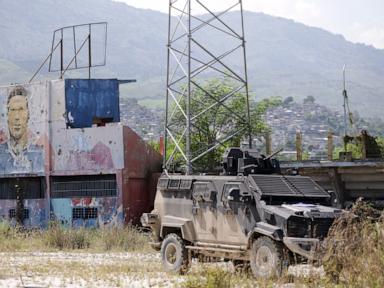
Haiti's security strategy is taking a radical turn. Following a high-profile diplomatic visit by Justice Minister Patrick Pélissier to Central America, Port-au-Prince has officially locked in a cooperation agreement with El Salvador. The core of the plan? Importing the hardline security blueprint that turned El Salvador's gang wars upside down, including plans to construct a brand-new, modern penitentiary facility modeled after President Nayib Bukele's infamous mega-prisons.
For years, Haiti's corrections system has been a disaster zone. Overcrowded facilities, broken judicial backlogs, and violent gangs controlling cellblocks from the inside have rendered traditional penal management obsolete. When Minister Pélissier walked through El Salvador's notorious Terrorist Confinement Center (CECOT), he wasn't just sight-seeing. He was looking at a template for survival.
The Blueprint Behind the Deal
You can't talk about this partnership without looking at what's happening on the ground. El Salvador's footprint in Haiti has expanded rapidly following security deployments. While international bodies debate the legal boundaries and human rights implications of foreign security interventions, regular Haitians are desperate for results. Decades of institutional collapse left local law enforcement completely outmatched by armed syndicates.
The new bilateral agreement goes far beyond temporary troop deployments. According to recent announcements from Port-au-Prince, the partnership focuses on structural overhauls: Similar analysis on this trend has been published by TIME.
- Adapting strict legislative frameworks to handle organized crime elements.
- Training domestic judges and judicial staff within specialized hubs.
- Constructing a high-security prison designed to isolate gang leadership permanently.
Why Traditional Solutions Failed
Critics often question whether copying El Salvador's model can work in a completely different geopolitical context. Haiti lacks the centralized state apparatus that Bukele leveraged to mass-arrest tens of thousands of gang members. Yet, doing nothing was no longer an option. Traditional prison systems rely on the rule of law to keep order inside the walls. When gangs hold more firepower than the guards guarding them, conventional prisons cease to function.
By shifting toward the Salvadoran model, Haiti is signaling that containment is dead. The goal is total incapacitation of gang leadership. Isolation units, strict monitoring, and zero external communication are coming to the Haitian corrections landscape.
What Happens Next
Building a modern mega-prison won't solve Haiti's systemic instability overnight. Corruption runs deep, funding remains fragile, and judicial oversight needs massive reinforcement to prevent abuses. Still, this deal marks a psychological shift. Haiti is no longer waiting passively for international organizations to restore order. They're outsourcing tactical inspiration from the one nation that managed to break the back of modern urban gangs.
The real test starts when concrete is poured and the first high-profile gang leaders are transferred. Until then, this partnership represents the most aggressive institutional pivot Haiti has attempted in a generation.
Haitian Justice Minister tours El Salvador's mega-prison for gang members
This video provides an on-the-ground look at Haitian Justice Minister Patrick Pélissier touring El Salvador's high-security prison facilities to study the structural model being adopted.



