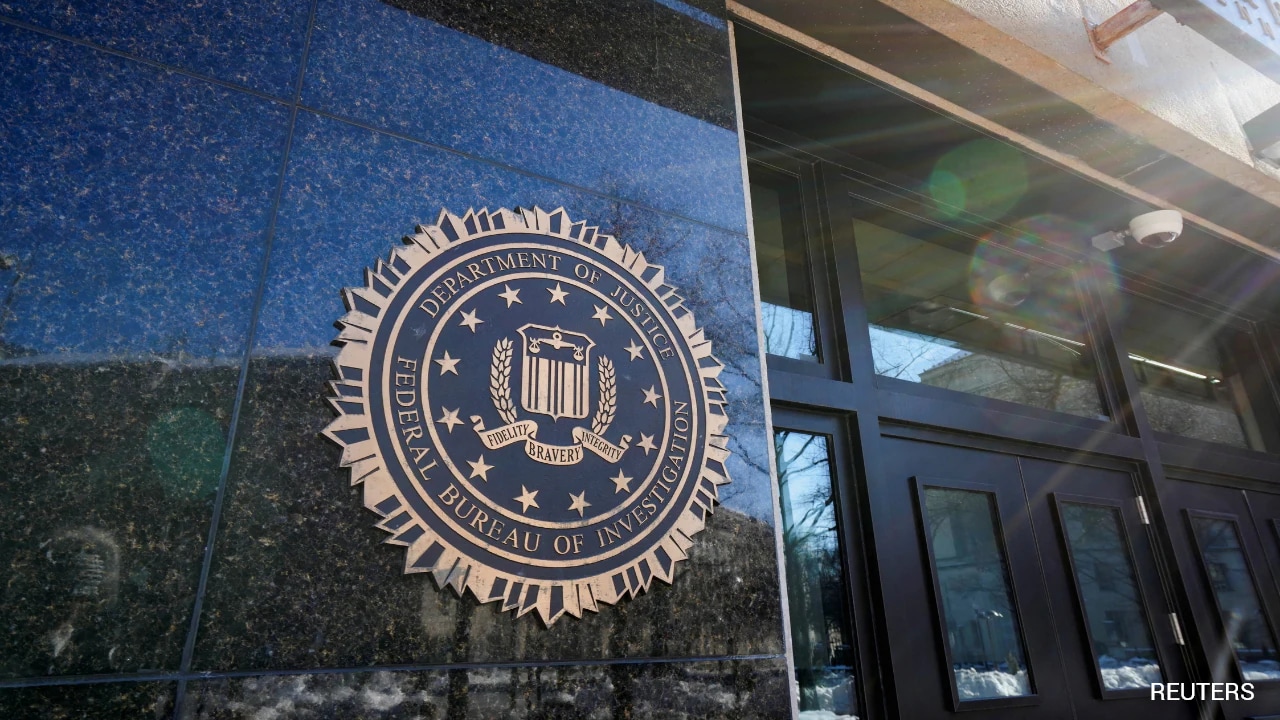
When hackers target the US Agriculture Department and FBI right after major tech outages, you can't treat it as a coincidence. Timing like that is usually a gift to attackers.
I've spent years watching incident response teams untangle messy intrusions, and one pattern shows up again and again. After a big outage, everybody is tired, distracted, and rushing to get systems back online. Help desks are flooded. Patch schedules slip. Alert fatigue hits hard when a hundred broken things look like normal recovery noise.
For folks searching about hackers targeting the US Agriculture Department and FBI days after tech outages, the real question isn't just who knocked on the door. It's how an outage creates an opening, why food supply and law enforcement agencies sit right in the crosshairs, and what happens to everyday operations when trust in core infrastructure takes a hit. Because I couldn't pull live details from that specific NDTV page or verify live breaking-news specifics in this session, I won't guess at unconfirmed incident numbers or fabricate quotes. Instead, let's look at the mechanics behind why this exact sequence happens and what it actually means on the ground.
Why Hackers Target the US Agriculture Department and FBI After Outages
Most people picture cyberattacks as lone geniuses typing furiously in a dark room for months until one magic exploit pops. Real life is much messier. Attackers love chaos because chaos hides bad traffic.
Think about what happens in the days following widespread tech outages. Engineers are pushing emergency workarounds, temporarily relaxing rules that block traffic, or turning off noisy checks just to restore basic workflows. Even if an outage started with a bad update, a misconfiguration, or a third-party hiccup rather than an intrusion, the aftermath creates prime conditions for opportunistic or coordinated probing.
Attackers watch news cycles and operational chatter closely. When a major outage hits businesses, agencies, or shared platforms, two things happen right away:
- Defenders are stretched thin: The same folks who spot subtle anomalies are stuck fighting fires, answering status calls, and rebuilding broken queues.
- Users expect weirdness: When logins fail or portals act strange after an outage, people are way more likely to click recovery links, re-enter credentials, or ignore minor warnings because "everything has been glitchy all week."
Honestly, that human factor is the part people underestimate most. Security teams talk endlessly about firewalls and logs, yet attackers routinely win by riding on top of exhaustion and confusion.
Outages Blur the Signal for Defenders
During normal operations, a sudden spike in failed logins or odd outbound connections stands out. Right after an outage, logs look like a fireworks show. Services reconnect in weird orders, cached sessions expire out of sync, and automated monitors throw false alarms.
If you're running security operations during recovery week, sorting real intrusion attempts from post-outage fallout is grueling work. Attackers know that. Moving quietly while everyone is focused on restoring availability buys them time.
Why Agriculture and Law Enforcement Draw Fire
At first glance, pairing farming policy with federal law enforcement might sound odd. Look closer and it makes complete sense. Both touch things society depends on daily, and both sit inside sprawling webs of partners, field offices, and data exchange.
Agriculture Is Quietly Critical Infrastructure
A lot of people still think of agriculture purely in terms of tractors, soil, and barns. Today, modern food and farm systems run on logistics software, supply-chain coordination, weather and crop data, grant portals, and inspection workflows. The U.S. Department of Agriculture connects to producers, researchers, state partners, and markets across the country.
When an agency tied to agriculture gets targeted, the ripple effects aren't abstract. Delays or disruptions in reporting, permitting, assistance programs, or coordination can ripple through supply chains faster than people expect. Food and agriculture have long been treated as critical infrastructure by agencies like the Cybersecurity and Infrastructure Security Agency, precisely because resilience matters when things get squeezed.
Law Enforcement Carries High Strategic Value
The Federal Bureau of Investigation is a natural target for obvious reasons. It handles sensitive investigations, intelligence sharing, coordination with state and local police, and high-profile cases. Even when attackers don't reach classified or core investigative vaults, probing external portals, partner channels, or adjacent systems can yield intelligence, access leads, or reputational leverage.
Targeting both a civilian operational agency like agriculture and a premier law enforcement body around the same window also highlights a broader reality: adversaries don't neatly separate "business," "government," and "critical infrastructure" targets when opportunities open up.
What People Get Wrong About Post-Outage Attacks
Whenever news breaks about agencies getting hit days after tech outages, hot takes fly fast. A few common myths keep tripping people up.
Myth one: The outage and the hack must be the same incident. Not necessarily. Sometimes an outage is purely operational—a bad push, a network fault, a vendor issue—and attackers simply pounce on the messy recovery period. Other times, an intrusion contributes to disruption or rides alongside broader instability. Jumping straight to a single cause before investigators finish checking timelines usually leads to bad assumptions.
Myth two: Government agencies are either impenetrable fortresses or total pushovers. Neither is true. Large agencies have huge footprints, legacy tools alongside modern cloud setups, thousands of users, and strict rules around continuity. Having strong defenses doesn't mean zero attempts succeed or zero friction occurs; it means how fast you detect, contain, and recover matters enormously.
Myth three: Only giant organizations need to care. Kinda backward. If federal agencies and major sectors feel heat after outages, smaller contractors, local partners, vendors, and everyday businesses feel it too. Attackers frequently look for whichever link in a chain is easiest to bend.
There's also legitimate debate among cybersecurity pros about transparency during active responses. Some argue agencies and companies should share details quickly so partners can protect themselves. Others point out that premature specifics can tip off attackers, hurt ongoing investigations, or spark panic based on incomplete facts. Finding that balance is genuinely hard, and anyone pretending it's simple hasn't sat in an incident war room.
Practical Next Steps When Outages Hit
You don't need a massive security budget to stop acting like a sitting duck after tech outages. A few practical moves make a real difference right away.
- Treat recovery week as high-alert time, not normal time. Remind your team or household to slow down on urgent links, password resets, and "quick fix" requests while systems are stabilizing.
- Verify out-of-band before acting. If an email, text, or message claims an outage workaround requires new credentials or a different portal, confirm it through a trusted, known channel first.
- Keep core basics locked down. Make sure multi-factor authentication is turned on for critical accounts, apply urgent security patches once stability returns, and keep offline or immutable backups tested so a bad day doesn't turn into a lost month.
- Watch account activity closely. Check recent sign-ins, connected apps, and forwarding rules after any major service disruption. Catching weird activity early beats cleaning up weeks later.
Tech outages test patience. Attacks right after them test discipline. Staying sharp when everyone else wants to rush back to "normal" is one of the highest-leverage habits you can build.



