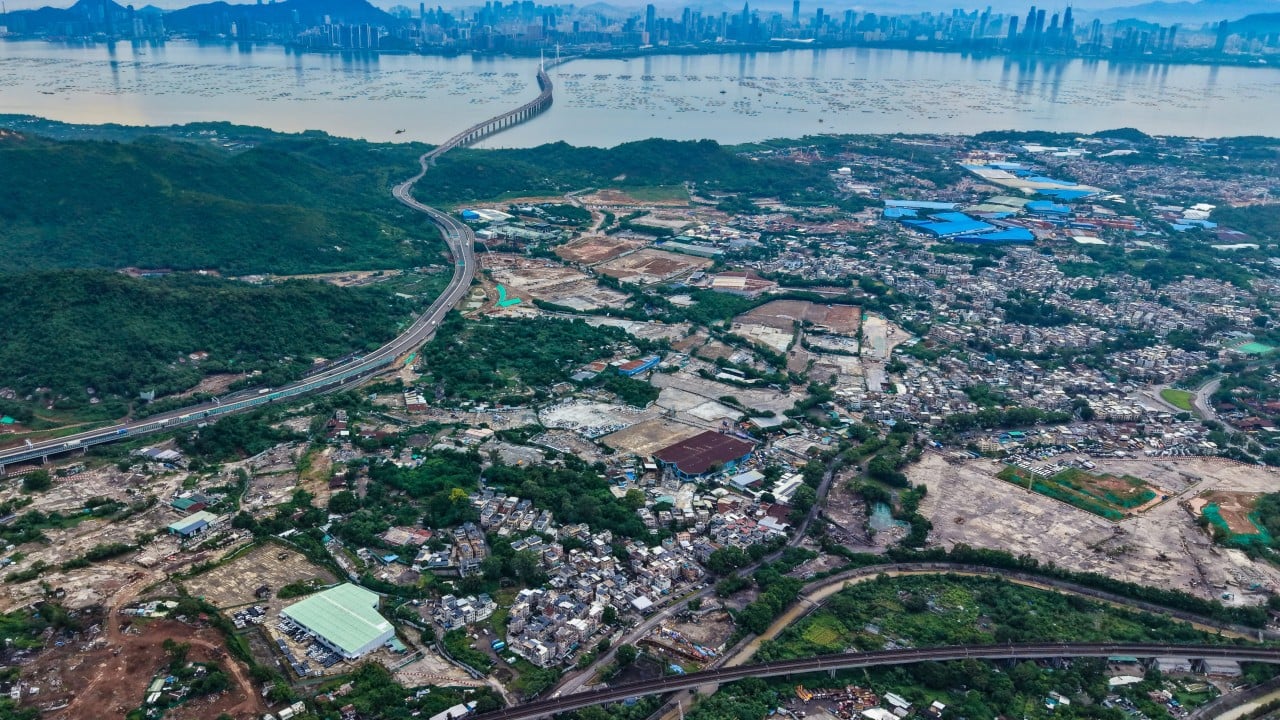
Hong Kong wants to build an entirely new academic powerhouse on its northern doorstep, and international universities are paying close attention. Instead of treating local institutions as competitors, foreign academic leaders are lining up to collaborate, sharing insights and looking for ways to stake a claim in the upcoming Northern Metropolis university towns.
If you look past the standard press releases, the shift makes complete sense. Global institutions aren't just looking for overseas real estate; they want direct access to the Greater Bay Area and a front-row seat to China's technology and talent pipeline. Local peers aren't pushing them away either. Instead, you're seeing a surprising level of openness to cross-border research and shared academic infrastructure.
The Appeal of the Northern Metropolis
The grand vision for the Northern Metropolis isn't just about building more housing or sprawling commercial parks. The blueprint hinges on creating dedicated higher education clusters, particularly around sites like Hung Shui Kiu. The goal is to bind teaching, living, and hard-nosed industrial research into one cohesive ecosystem.
When university presidents from the UK, Spain, South Africa, and across mainland China gathered recently in the city, the conversation quickly shifted from abstract planning to concrete execution. They want to know how the physical layout will bridge the gap between academic labs and commercial markets. For foreign institutions facing tighter budgets and changing immigration rules at home, Hong Kong offers a stable, highly connected launchpad into Asian markets.
Moving Beyond Simple Exchange Programs
You've probably seen plenty of university partnerships that amount to little more than a study abroad brochure and a handshake. This push is different. The institutions eyeing Hong Kong's new university spaces are talking about true operational integration.
Take the perspective of international academic leaders. They recognize that modern innovation requires massive data infrastructure and direct industry translation. With projects like the San Tin Technopole and heavy computational investments coming online, the city is positioning itself as a place where research doesn't just sit in a journal—it scales. Local universities are eager to welcome this expertise because tackling complex challenges like artificial intelligence, advanced manufacturing, and green tech requires resources that no single institution can hoard effectively.
What Happens Next
The application window for institutions wanting a physical presence in the Hung Shui Kiu university town site closes at the end of this year. As local authorities begin evaluating interest and mapping out land allocations, the real work begins.
Success won't be measured by how many foreign flags fly over the new campuses. It will come down to whether these joint ventures can actually turn academic theories into commercial realities without getting bogged down in red tape. The interest is genuine, the capital is moving, and Hong Kong is quietly rewriting its playbook for higher education.



