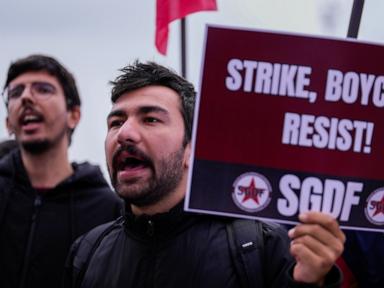
When trade unions across 22 countries decide to walk off the job at the exact same time, supply chain managers panic. That is precisely what happened when international dockworkers shut down terminal operations at over 100 ports, shifting the focus from routine labor disputes to a much larger geopolitical crisis.
Port workers are drawing a hard line. They refuse to let local infrastructure be used as transit hubs for military weapons destined for active conflict zones. If you think logistics are just about moving sneakers and electronics across oceans, this massive mobilization proves that blue-collar workers hold massive leverage over global warfare logistics.
The Real Drivers Behind the Global Port Strikes
For months, labor organizations across Europe, Asia, and other regions have watched military cargo flow through civilian ports. Unions formalized their stance earlier through initiatives like the Istanbul Declaration, demanding that commercial maritime facilities stop acting as loading docks for war.
The friction centers on the movement of munitions, military vehicles, and equipment feeding conflicts in the Middle East. Dockworkers in major logistical hubs—such as Genoa in Italy, Piraeus in Greece, and Fos-Marseille in France—stopped handling containers to protest the transport of weapons used against civilian populations.
It is not just about foreign policy either. Labor leaders point out the direct risks maritime workers face when global shipping lanes get dragged into militarized zones. From stranded crews to targeted vessels, ordinary sailors and dockers pay the highest price when global trade routes become battlegrounds.
What This Means for Global Supply Chains
Corporate logistics experts are quick to downplay the immediate economic fallout. Analysts from major shipping and insurance firms point out that a standard 24-hour work stoppage rarely causes permanent damage to global trade volumes.
Terminal operators experienced minor ripples rather than a total collapse. However, calling these strikes insignificant misses the bigger operational picture. Ports like Genoa were already dealing with vessel backlogs and berthing delays stretching one to two days. Throwing a coordinated international strike into the mix compounds a network already strained by regional tensions, Panama Canal restrictions, and shifting tariff policies.
Shippers handling perishable goods and time-sensitive cargo felt the immediate pinch. When terminal cranes freeze, trucks stack up outside gates, throwing tightly wound just-in-time delivery schedules into chaos.
The Shift in Labor Activism
Historically, dockworker strikes focused strictly on wages, pensions, and workplace safety. This wave of action represents a distinct evolution. Unions are increasingly flexing their political muscle over moral and humanitarian issues.
When workers refuse to load ammunition onto container ships, they bypass traditional political channels and use direct economic disruption to demand policy changes. Governments and defense contractors rely entirely on civilian infrastructure to move military hardware efficiently. By cutting off access to commercial ports, unions inject a massive wrench into military supply chains that governments prefer to keep operating quietly behind the scenes.
Expect more friction ahead. As long as global conflicts rely on commercial shipping lanes to move arms, port workers will remain on the front lines of international resistance. Watch the terminals closely, because the next major disruption might not come from a tariff dispute, but from the docks refusing to move the tools of war.