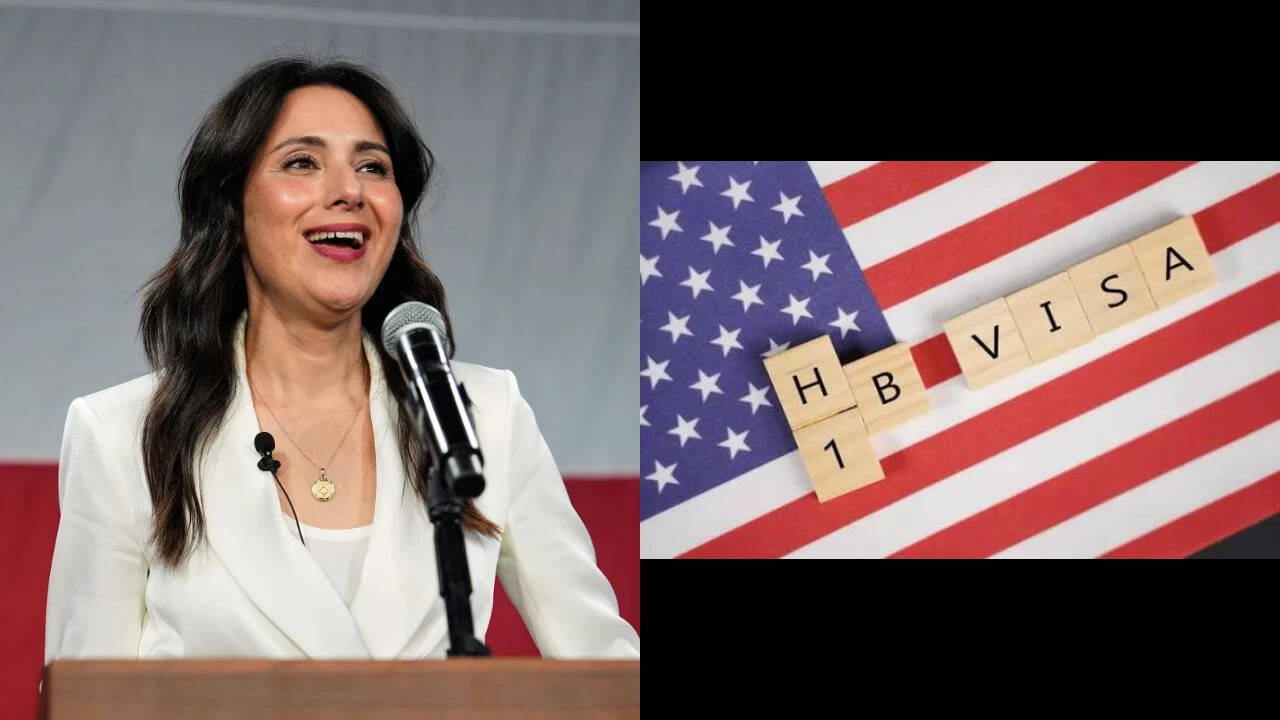
Gina Hinojosa plans to reverse outgoing Governor Greg Abbott's freeze on new H-1B hiring at state agencies and public universities once she takes office on January 19, 2027. That's the headline answer if you're wondering what happens next to international educators and researchers in Texas. Yet the real story goes way deeper than a simple executive reversal.
In a November 18, 2026 interview with The Texas Tribune, Hinojosa—who defeated Abbott in the November 3, 2026 election—pushed back hard against turning skilled immigration into a political weapon. "Yeah, that does not make sense to me. I will tell you, I'm not doing culture wars. That's not what I was elected to do," she said.
Honesty matters here, though, because a lot of people are confusing two related fights right now. Abbott's January 27, 2026 order halted new H-1B visa petitions without written approval from the Texas Workforce Commission at state agencies and public institutions of higher education through May 31, 2027. It didn't ban local public school districts from sponsoring H-1B teachers directly. Still, the broader clash over H-1B teachers in Texas has put hundreds of classrooms, bilingual programs, and university labs right in the crosshairs.
How the Texas H-1B Clash Actually Works
If you've read quick news summaries, you might think school districts have already been barred from hiring international teachers. They haven't. Under existing federal rules and current Texas state law, public school districts and charter networks can still sponsor H-1B educators.
Abbott's January 2026 directive targeted state agencies and public universities. Those institutions were told to pause new H-1B filings unless they got written sign-off from the Texas Workforce Commission, and they had to hand over detailed reports showing counts, countries of origin, job classifications, visa expiration dates, and proof that qualified Texans had a fair shot at the roles. Abbott framed the policy around putting Texans first for taxpayer-funded jobs.
Later in 2026, debates intensified around proposals to restrict H-1B visas for K-12 teachers as well. Reporting from Education Week and Texas AFT highlighted how local districts push back whenever state leaders float cutting off foreign educators. Simply put, banning or freezing H-1B hiring doesn't magically create local applicants overnight.
Why Texas Schools Lean on International Educators
Anyone who has watched Texas public education over the past few years knows the hiring math is brutal. Texas employs more than 320,000 public school teachers statewide, and plenty of districts struggle to fill hard-to-staff classrooms every fall.
Federal data cited by The Texas Tribune shows more than 340 H-1B employees working across nearly 50 Texas school districts and charter networks. Dallas ISD alone employs 171 of them. Districts don't usually bring in international teachers for easy-to-fill openings. They turn to them for bilingual and dual-language classes, special education, math, and science.
Having worked alongside school staffing challenges and policy debates in Texas, I can tell you what happens when a district loses a bilingual or special education teacher mid-year or before August. You don't just post a job ad and get five certified replacements by Monday. Sometimes you get zero qualified applicants.
Hinojosa made that point bluntly in her interview. "A lot of school districts hire H-1B teachers because we can't get teachers here in this state who want to work for school districts anymore," she said. Her argument isn't that Texas should stay dependent on foreign visas forever. Rather, she wants the state to partner with local districts to build a stronger homegrown teaching pipeline while keeping practical hiring tools open in the meantime.
A Middle Ground on Visa Abuse and Taxpayer Incentives
What makes Hinojosa's stance more nuanced than standard campaign soundbites is her willingness to call out real flaws in the H-1B program. She didn't pretend the system works cleanly everywhere.
"There are abuses when it comes to H-1Bs, absolutely," Hinojosa told The Texas Tribune. She specifically criticized companies that collect taxpayer-funded incentives meant to create jobs and then use those funds to hire H-1B workers instead. Drawing on her background as a labor lawyer, she also noted that she has seen severe exploitation of H-1B workers in law firm practice.
Her conclusion? Blanket bans are a lazy fix. "We need to make sure that we are smart about how we are approaching this. It's not a one-size-fits-all," she said.
That distinction matters. Cracking down on corporate incentive loopholes or worker exploitation is a completely different policy problem from stopping a public university lab or a rural school district from hiring a specialist they can't find locally. Advocacy groups like FWD.us echoed that exact divide after her remarks, arguing that sweeping freezes hurt public institutions—schools, hospitals, and research universities—without fixing program abuses.
What Critics and Supporters Are Arguing About
This isn't a debate with simple villains and heroes, and pretending otherwise misses why the issue sticks.
Supporters of Abbott's restrictions argue that public dollars should prioritize local residents first. From their perspective, state agencies and universities should exhaust every domestic recruiting avenue before sponsoring foreign workers, and transparency rules around visa sponsorship hold public institutions accountable. Critics of H-1B expansion also worry that heavy reliance on foreign labor can mask deeper workplace issues—like pay, workload, or working conditions—that keep local graduates out of teaching.
Supporters of reversing the freeze see it differently. They point to real vacancies in classrooms and research programs that sit empty when artificial barriers block qualified candidates. For them, freezing petitions at public universities and schools hurts students and slows innovation without fixing a single bad corporate actor.
Honestly, both sides touch on a real nerve. Texas does need more homegrown teachers and stronger worker protections. At the same time, pulling a plug on international talent before local pipelines are ready leaves real kids staring at unfilled vacancies.
What Happens in 2027 and What You Should Watch
Policy announcements are one thing; Austin's legislative calendar is another. Here is how the timeline shapes up heading into 2027:
- November 9, 2026: Bill filing opened for the 90th Texas Legislature.
- January 10, 2027: Texas Education Agency Commissioner Mike Morath's current term ends.
- January 12, 2027: The Texas Legislature convenes in Austin.
- January 19, 2027: Gina Hinojosa is inaugurated as governor and can move to rescind Abbott's executive order.
- March 12, 2027: General deadline to file most bills during the session.
- May 31, 2027: The regular legislative session ends—the same date Abbott's freeze on new H-1B petitions at state agencies and public universities was set to expire.
Keep an eye on the balance of power in Austin, too. After the November 2026 elections, Democrats won control of the Texas House while Republicans kept their majority in the Texas Senate. Any new statutory restriction on H-1B teachers or workers would have to clear both chambers and survive a potential veto from Hinojosa. Meanwhile, federal rules—including ongoing debates over grace periods for laid-off H-1B workers and court battles over federal visa fees—also affect educators on the ground.
Practical Next Steps Depending on Your Role
If you're an H-1B teacher or school employee in Texas, don't panic over headlines. Current law still allows public school districts to sponsor H-1B teachers, and existing approved petitions remain valid. Keep your Texas educator certification active, track your I-94 and visa expiration dates carefully, save copies of your I-797 approval notices and pay stubs, and talk with a qualified immigration attorney before making any job changes.
If you're a school district leader or HR administrator, review your hard-to-staff vacancy data—especially in bilingual, special education, math, and STEM classrooms—and coordinate early with legal counsel on sponsorship timelines and domestic recruitment pipelines.
If you're a parent, taxpayer, or policy watcher, track actual bill filings during the 2027 legislative session rather than relying on campaign rhetoric. Watch whether lawmakers pair any visa oversight with real investments in teacher retention and certification pathways, because classrooms feel the difference between political posturing and practical staffing solutions.



