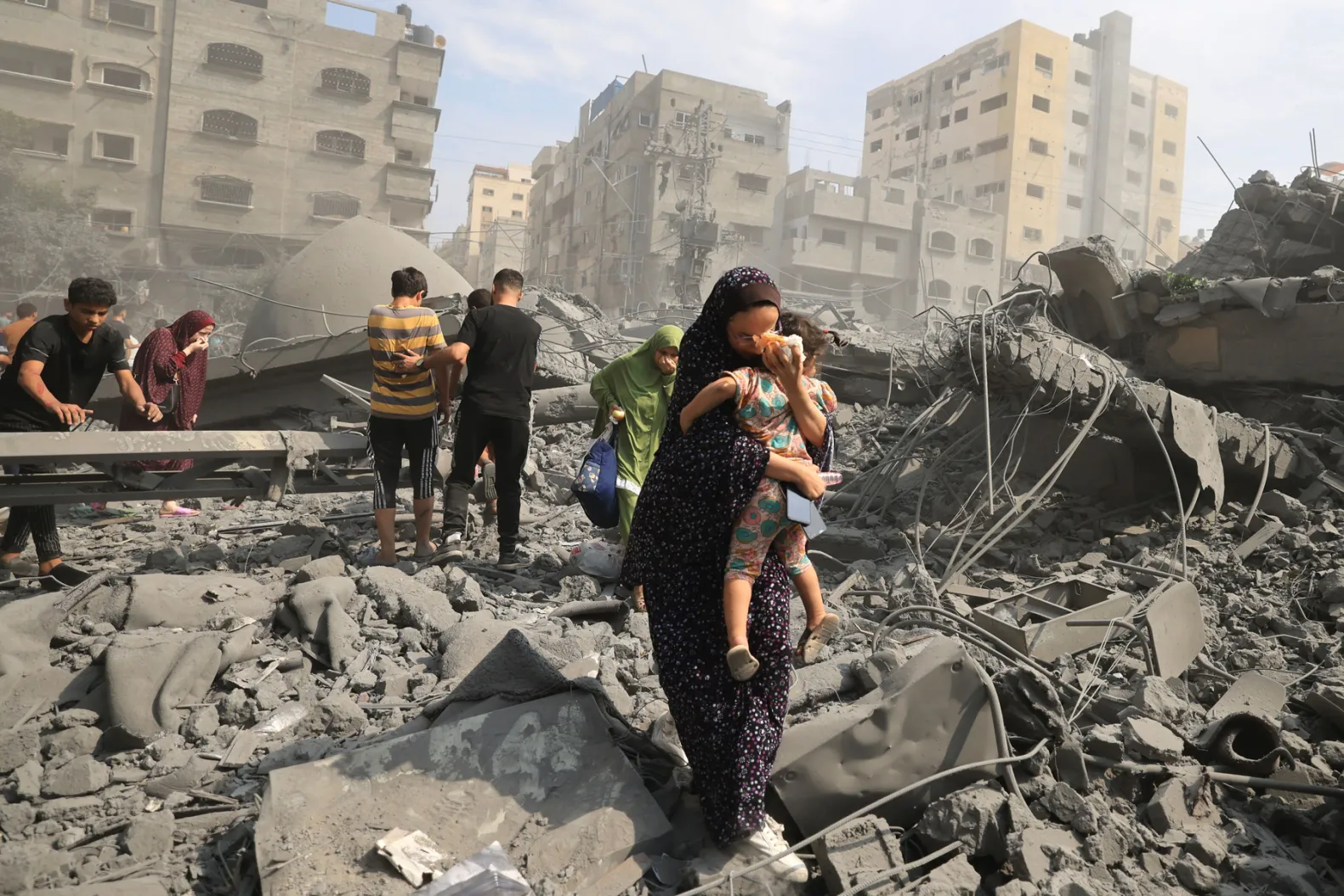
When a massive sand embankment gave way under relentless seasonal downpours in Deir al-Balah, it didn't just bury canvas and nylon. It crushed lives. Four children and a woman lost their lives in an instant when unstable earth collapsed directly onto their displacement tent.
This tragedy isn't simply an act of nature. It’s the predictable outcome of prolonged systemic deprivation, blocked humanitarian supplies, and institutional paralysis that leaves displaced families entirely exposed to the elements.
The Human Cost of Disregard
Civil Defence teams worked through dangerous conditions following the collapse, pulling five injured survivors from the mud. The victims included members of local families whose names quickly became part of the staggering casualty toll mounting day by day. Mariam Nabhan and her young son Salah, alongside Reem, Habiba, and Ibrahim al-Zain, represent only the latest human faces lost to a preventable infrastructural disaster.
Heavy weekend weather systems didn't just cause a single isolated landslide. Across the Gaza Strip, violent storms and torrential rain flooded an estimated 70,000 temporary tents. Families already displaced multiple times found themselves wading through freezing floodwaters, watching their meager belongings wash away while structural supports, weakened by previous bombardments, buckled under the strain. Related coverage on the subject has been shared by Wikipedia.
Direct Responsibility and Sharp Condemnation
In the wake of the disaster, the Gaza Government Media Office didn't mince words. Officials slammed global indifference, characterizing the ongoing humanitarian vacuum as a direct indictment of international accountability.
Why The Gaza Mudslide Tragedy Exposes A Total Breakdown In Global Accountability
news
Five people are dead in the Gaza Strip after a devastating mudslide swept through overcrowded tent encampments. While severe weather conditions act as the immediate trigger, the underlying catastrophe is entirely human-made. Gaza authorities are openly slamming global inaction, pointing out that months of systematic destruction have left millions of displaced civilians living in crumbling infrastructure, torn tents, and unstable earth.
When heavy rain hits a region where basic municipal services have been flattened, water doesn't just pool. It carves paths through makeshift shelters. Families who survived airstrikes and forced displacement are now losing their lives to collapsing mud banks and freezing floodwaters.
The silence from international bodies isn't just frustrating. It is fatal.
The Reality Behind The Mudslide Crisis
Weather events don't discriminate, but the capacity to withstand them certainly does. Years of blockades, combined with the intense military escalation, mean that Gaza lacks heavy machinery to clear debris, reinforced drainage systems, and durable building materials. When people talk about a humanitarian crisis, they usually picture food shortages or medical deficits. They rarely picture children swept away in their sleep by a wall of liquefied soil.
Local emergency services in Gaza have been operating on fumes for months. Fuel shortages paralyze rescue vehicles. Medical supplies sit at borders, delayed by red tape or security restrictions, while local clinics run out of basic trauma care essentials.
If you're wondering why international relief hasn't prevented these deaths, the answer lies in a bureaucratic gridlock mixed with political paralysis. Aid organizations issue statements expressing deep concern. Expressing concern doesn't stop a mudslide. Concrete actions like delivering heavy excavation equipment, waterproof shelter units, and fuel for municipal pumps are what save lives. Those shipments remain restricted.
Displaced Families Left With Zero Protection
Imagine living in a strip of plastic sheeting pegged into sand and mud. When winter storms hit the region, the ground liquefies. Tents flood within minutes. Blankets soak through.
Humanitarian agencies have warned for a long time that winter in Gaza would be a mass casualty event if shelters weren't upgraded. Those warnings were ignored or met with slow-moving logistics pipelines that operate on diplomatic timelines instead of emergency ones.
The five victims whose lives were cut short in this latest disaster are symptoms of a systemic failure. They aren't isolated accidents caused by bad weather. They are the direct result of a landscape engineered for vulnerability. When you strip an area of its electrical grid, its paved roads, and its concrete structures, you turn a standard rainstorm into a deadly hazard.
What Global Inaction Actually Means On The Ground
The phrase global inaction sounds like a political talking point. On the ground in Gaza, it translates to concrete realities. It means a father digging through mud with his bare hands because there are no tractors available. It means hospitals turning away patients because backup generators ran out of diesel.
World leaders meet, debate, issue resolutions, and draft diplomatic letters. Meanwhile, basic survival gear is classified as dual-use and blocked from entry. The friction between political maneuvering and human survival leaves civilians completely exposed to the elements.
Accountability is missing. When local authorities condemn the international community, they're pointing at a global system that treats civilian safety as an afterthought behind geopolitical chess pieces.
Moving Past Empty Statements
If the international community wants to prevent the next disaster, statements of grief won't cut it. The requirements for survival are straightforward.
First, the restrictions on heavy machinery and engineering equipment must lift immediately. Water management and drainage require actual infrastructure, not just tarp distributions.
Second, robust and weatherproof shelter materials must flood into the Strip without administrative delays. Tents fail. Prefabricated units and insulation materials are mandatory before the next storm system hits.
Third, fuel allocations for municipal sanitation and civil defense must be guaranteed. Rescue workers cannot pull people out of collapsed mud embankments without fuel for their trucks and pumps.
The tragedy of these five lives lost in the mud isn't just about bad weather. It's about a world that watches preventable catastrophes unfold and chooses to manage optics instead of mobilizing solutions.