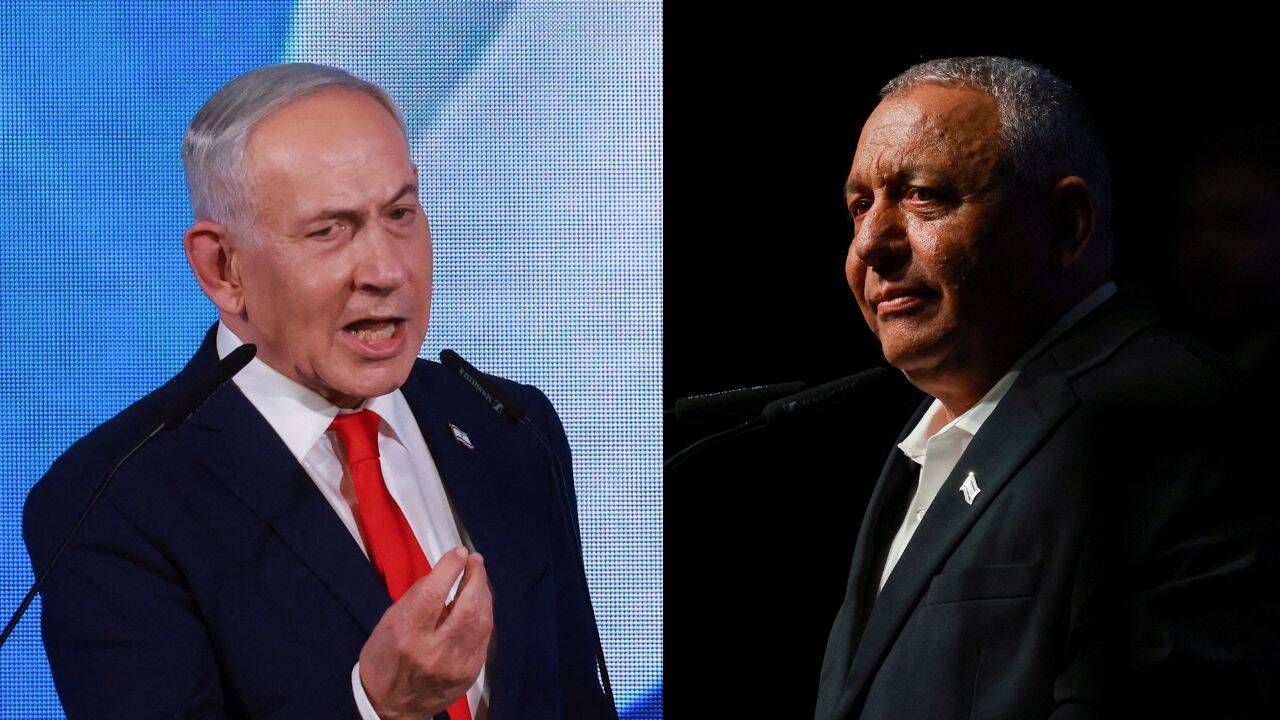
The numbers look decisive on paper, but Israeli politics rarely play by straightforward arithmetic. Gadi Eisenkot, leader of the Yashar party, just secured recommendations from 67 lawmakers in the 26th Knesset, leaving outgoing Prime Minister Benjamin Netanyahu trailing behind with just 46. On the surface, it looks like a landslide rejection of Netanyahu’s longstanding tenure.
President Isaac Herzog delayed his official mandate decision, and for good reason. Stacking up 67 recommendations doesn't automatically translate into a stable coalition. The road ahead is riddled with deep ideological traps, mutual party vetoes, and mathematical contradictions that could easily paralyze the next administration before it even takes the oath of office.
The Fragile Arithmetic Behind the 67-Seat Tally
To understand why this political victory is so fragile, look closely at where Eisenkot's 67 recommendations actually came from. The block is a patchwork quilt of convenience rather than ideological alignment.
It includes 48 lawmakers from Jewish-led opposition factions like Yashar, Together, The Democrats, and Yisrael Beiteinu. But it also relies heavily on external support from Arab-Israeli factions, with Ra'am contributing eight seats and the Joint List adding another eleven.
Here lies the core structural headache. Avigdor Liberman and other right-leaning members of the anti-Netanyahu bloc have historically sworn off sitting in or relying directly on governments backed by Arab-Israeli nationalist parties. Meanwhile, ultra-Orthodox parties like United Torah Judaism refused to recommend either candidate, keeping their cards close to their chests while waiting to see who blinks first.
Getting 67 politicians to agree that they want Netanyahu out of power is easy. Getting those same 67 politicians to agree on a state budget, judicial policies, military draft exemptions, and foreign policy is an entirely different battle.
President Herzog Stalls for Time
President Herzog understands these underlying contradictions better than anyone. Following two days of intense consultations at the President's Residence, Herzog announced he would take the weekend to deliberate before officially handing out the mandate on Sunday.
He stated publicly that the numbers might look clear, but his legal obligation is to test the actual viability of a functioning government. Mutual disqualifications within and across political blocs mean that a simple majority on a recommendation list can evaporate the moment a confidence vote hits the Knesset floor.
Eisenkot’s camp is pushing for immediate action, arguing that the public voted for change and that dragging out the process introduces unnecessary national risk. They want a national emergency government sworn in quickly to tackle heavy security and economic pressures. Yet, urgency rarely melts away stubborn partisan lines in Israel's fractured parliamentary system.
What Happens Next in the Knesset
If Eisenkot receives the mandate on Sunday, he faces a strict 28-day window—with a potential 14-day extension—to cobble together a working coalition that can survive a vote of confidence.
If he tries to build a minority government relying on abstentions or outside support from parties like the Joint List, every single piece of legislation becomes a high-stakes hostage negotiation. One defecting member from his own fragile alliance can tank a vote instantly.
Netanyahu isn't completely out of the game either. Operating as a caretaker prime minister with 46 loyal seats, his strategy relies entirely on his rivals tearing themselves apart over irreconcilable policy differences. If Eisenkot fails to build a coalition within the legal timeframe, the mandate bounces back, opening the door for chaos or even another round of elections that nobody outside the political class wants.
The numbers gave Eisenkot his moment, but the hard part starts now.



