Long queues wrap around Jerusalem polling stations. Voters check their watches, adjust their jackets, and refuse to leave the lines. Midday turnout numbers hit 31.5 percent, a metric Israel hasn't seen since the high-tension days following the Yom Kippur War.
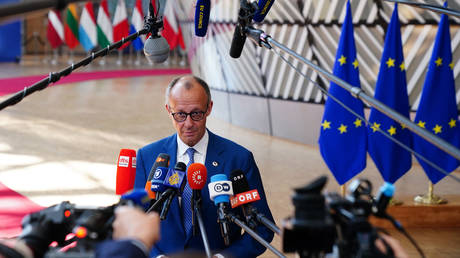
When Yashar Party chairman Gadi Eisenkot dropped his ballot into the box alongside his wife Hannah, he wasn't just casting a routine vote. He was signaling a direct challenge to Benjamin Netanyahu's long-running hold on power. Eisenkot stepped out of the voting booth and offered a stark promise to the public, declaring his intent to take Israel onto a completely new path.
The Stakes Behind the Numbers
You can't understand this election by looking at standard political metrics. The 31.5 percent midday turnout isn't casual participation. It represents an electorate deeply divided, anxious about security, and fiercely motivated. Netanyahu called the vote an emergency, shouting warnings on social media that his base was staying home while opposition voters rushed to the ballots.
Eisenkot, the former Israel Defense Forces chief of staff, has positioned himself as the ultimate alternative. He campaigned heavily in areas touched directly by the trauma of the October 7 massacres, such as Kibbutz Nir Oz. He's tying his entire political identity to accountability, institutional trust, and a demand for official state inquiries into past security failures. For another perspective on this story, refer to the latest coverage from USA.gov.
What Sets Eisenkot Apart
Most political challengers rely on standard populist rhetoric. Eisenkot plays a different game. His military background gives him a unique kind of gravity that career politicians struggle to match. When he tells voters to stay in long lines and promises that change is coming, people listen because his personal history is tied directly to the nation's defense apparatus.
Yet, the math remains brutal. Neither Netanyahu's bloc nor the opposition factions led by Eisenkot's Yashar Party are projected to secure a clean parliamentary majority on their own. That means the real battle begins the moment the polls close. Coalition talks will test every ounce of political maneuvering both sides possess.
Where Israel Goes From Here
If you're watching Israeli politics right now, ignore the daily noise and watch the coalition arithmetic. Eisenkot has managed to galvanize a frustrated middle and left-leaning base that felt politically homeless for years. Whether his push for a new path succeeds depends entirely on whether those long morning queues translate into enough legislative seats to break the deadlock. Keep your eyes on the final vote tallies. The outcome will redefine the country's domestic trajectory and foreign policy for the next decade.