The diplomatic room in Moscow got very quiet this week. Vladimir Putin laid out his latest stance on foreign boots on Ukrainian soil, and it wasn't ambiguous. If international forces deploy to enforce a future cease-fire under a peacekeeping mandate, Moscow won't view them as neutral observers. They'll treat them as legitimate military targets.
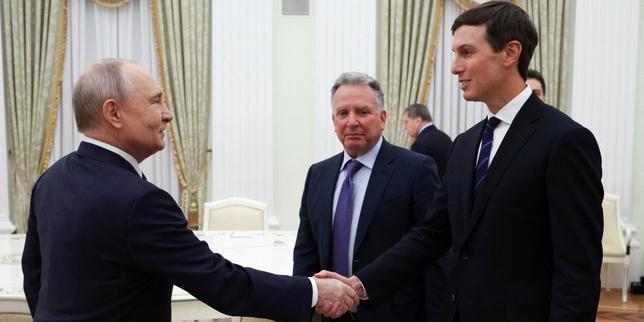
This warning drops right into the middle of tense back-channel negotiations involving US envoys like Steven Witkoff and Jared Kushner at the Kremlin. Everyone wants a blueprint for a lasting settlement. Nobody agrees on who gets to police the borders when the shooting stops.
The Shifting Logic of European Security
You can trace the breakdown of post-Cold War stability straight back to the initial invasion, but the arguments happening right now are entirely about the endgame. António Costa, the president of the European Council, didn't mince words recently when addressing the total collapse of the continent's architecture. Europe faces a stark reality. You can't design a security framework that ignores Russia, but you also can't build one that rewards aggression.
When Western capitals float the idea of stationing European or international peacekeeping troops in Ukraine to guarantee a future truce, they view it as a defensive tripwire. Moscow sees it differently. From the Kremlin's perspective, foreign soldiers operating inside Ukraine represent a direct projection of NATO power right up to Russia's doorstep, regardless of official flags or UN mandates.
Why Peacekeeping Formulas Keep Failing
Building a secure buffer zone sounds great on paper. In practice, historical precedents show it's a structural nightmare.
- The Neutrality Trap: Neither side trusts a third-party force to remain truly impartial under fire.
- The Escalation Risk: A single skirmish involving foreign peacekeepers instantly pulls major global powers into a direct shooting war.
- The Sovereignty Dispute: Kiev demands uncompromised control over its territory, while Moscow demands permanent vetoes over foreign military presence.
Diplomats are running out of clever wording to patch over these contradictions. Washington is pushing hard for a framework that satisfies Ukrainian survival while offering enough predictability to prevent total economic fallout. Meanwhile, European leaders are caught between wanting a stable neighborhood and fearing a unilateral deal brokered over their heads.
What Happens Next on the Ground
Right now, the talks in Moscow and European capitals are less about immediate peace and more about defining the breaking points. Poutine's declaration that foreign peacekeepers are fair game isn't just posturing. It's an operational warning shot to any government thinking about sending troops to patrol a demilitarized zone.
If Western nations decide to deploy personnel anyway, they'll be stepping into an active combat zone disguised as a diplomatic mission. If they back down, the security guarantees for Ukraine become practically worthless. The coming months will test whether anyone can find a middle ground between total capitulation and a wider European war.
Pourquoi l'Occident et la Russie s'affrontent sur le statut des troupes en Ukraine
This video explores how intelligence reports and diplomatic maneuvers are shaping the ongoing debates around military deployments and regional stability in Eastern Europe.



