Five plastic-wrapped bags and a box with no security screening stickers sitting where they shouldn't be. That's all it took to crack open a smuggling operation that allegedly moved narcotics across military air routes toward Indonesia and the Philippines.
Prime Minister Anwar Ibrahim has vowed a no-compromise crackdown after routine checks at Subang Air Base triggered a wider narcotics bust involving Royal Malaysian Air Force (RMAF) officers and civilians. Honestly, when security insiders or military transport channels get pulled into drug trafficking, the shock isn't just about street value. It's about trust inside the institutions meant to guard borders in the first place.
If you've been following the headlines around the airbase drug bust, the big takeaway isn't merely that drugs were found. It's how a small procedural catch—missing screening stickers on luggage—exposed a broader vulnerability in how strategic transport hubs are policed.
How a Routine Check at Subang Air Base Unraveled the Syndicate
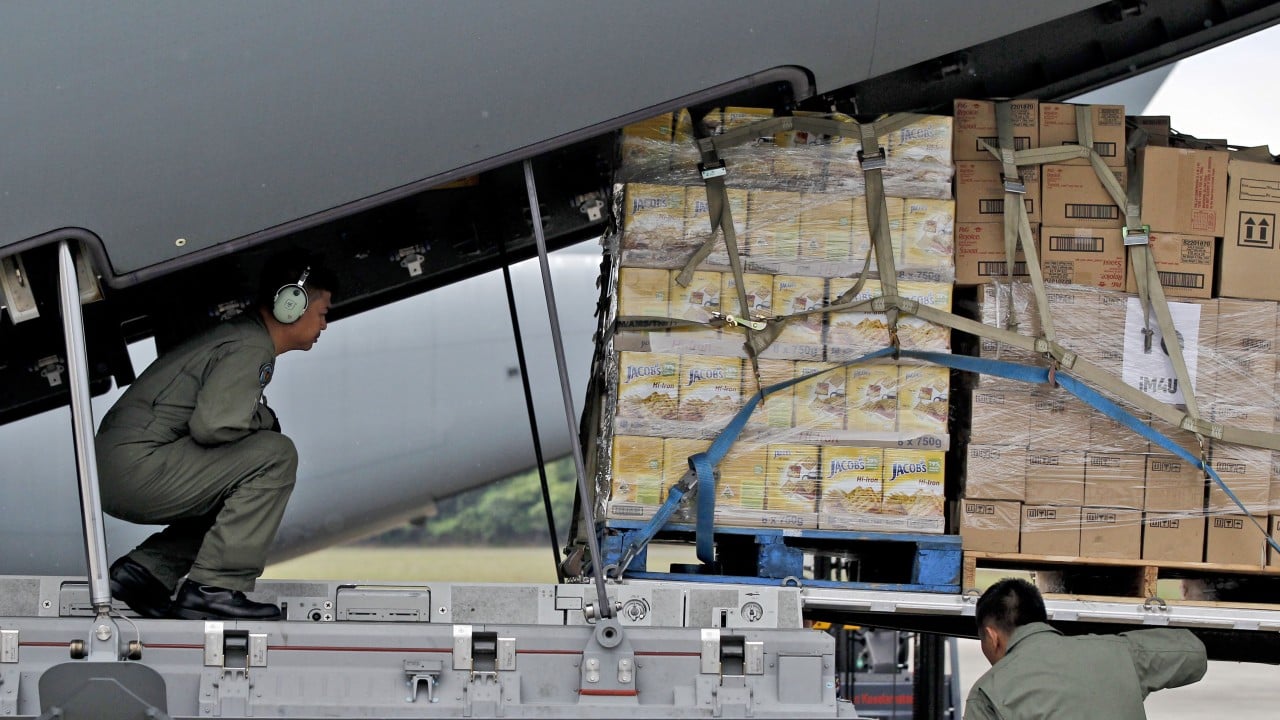
According to officials, Air Movement Branch personnel at Subang Air Base spotted five plastic-wrapped bags and a slightly open box lacking security screening stickers on Tuesday, November 17, 2026. Inside the box were bottles labeled as chemical fertilizers, an item prohibited aboard aircraft.
Running the items through screening and questioning the luggage owner turned a routine inspection into a major narcotics investigation. Authorities reported that preliminary testing pointed to methamphetamine, amphetamine, and MDMA.
Following intelligence cooperation between Bukit Aman's Narcotics Criminal Investigation Department (NCID) and the RMAF Provost Marshal Branch, police carried out coordinated operations across the Klang Valley and Labuan, Sabah. Eleven people—five RMAF officers and six civilians—were arrested, and two additional RMAF personnel were remanded in Tawau as investigations widened. Across the operations, police reported seizing 96.64 kg of suspected methamphetamine valued at around RM4.83 million (roughly US$1.2 million), along with 6.98 kg of liquid chemical substances and two vehicles.
Here's the detail that makes security analysts sit up straighter: intelligence indicates the syndicate had been operating since July 2026, allegedly using military air transport facilities to move drugs from Peninsular Malaysia toward Sabah for onward distribution to Indonesia and the Philippines.
Why Military Air Routes Are Tempting for Traffickers
Smugglers don't pick targets at random. They look for friction points, blind spots, and high-trust corridors.
Commercial airports face layered passenger and cargo screening, customs declarations, and constant public scrutiny. Even with known gaps—which Putrajaya recently acknowledged while pledging to modernize airport screening equipment in places like Penang and Kota Bharu—commercial terminals still force traffickers to navigate crowded checkpoints.
Military logistics and air movement hubs operate on a different rhythm. Priority cargo, troop movements, and internal transfers rely heavily on chain-of-command trust and operational speed. When a criminal network manages to place or co-opt insiders who understand scheduling, loading bays, or screening protocols, they aren't just buying transport. They're buying a shortcut past standard civilian bottlenecks.
That's why Bukit Aman NCID director Datuk Hussein Omar Khan emphasized how brazen syndicates have become in exploiting strategic government facilities and individuals holding sensitive access. In real-world security work, insider access is the hardest risk to spot on paper because the person holding the key already belongs behind the wire.
What Anwar Ibrahim's Crackdown Pledge Means in Practice
Politically, Anwar couldn't afford a soft response—and he didn't offer one. He stated that there would be no compromise regardless of rank or department, stressing that protecting national security matters far more than saving institutional face.
He also pointed to broader enforcement actions already underway, including detentions under the Security Offences (Special Measures) Act (SOSMA) and asset seizures or freezes worth billions of ringgit against organized trafficking and financial abuse networks. Defence Minister Mohamed Khaled Nordin and RMAF leadership, meanwhile, moved to hand the case over to police and pledged full cooperation alongside intensified internal inspections.
Still, tough speeches are only step one. Anyone who has watched anti-corruption or anti-narcotics drives play out across Southeast Asia knows the real test comes later:
- Following the money: Seizing drugs and vehicles is visible and immediate, as seen with the forfeiture action on two cars worth RM126,062, yet dismantling a syndicate requires tracing finances, coordinators, and alleged masterminds still at large.
- Closing procedural loopholes: If five unscreened bags could get close to an aircraft load before being caught, air movement protocols need strict verification that doesn't depend solely on luck or a sharp-eyed duty officer.
- Avoiding scapegoating: Public trust only holds if investigators go where the evidence leads, whether that stops at mid-level facilitators or reaches higher up the chain.
Common Misconceptions About This Case
Whenever a story combines military airbases, officers, and cross-border drug smuggling, assumptions spread fast. A few misconceptions deserve clearing up right away.
First, an arrest is not a conviction. Police have remanded suspects for investigation under serious laws—including Section 39B of the Dangerous Drugs Act 1952, which carries severe penalties upon conviction—while probing who knew what and who played which role. Calling out the gravity of the allegation shouldn't blur the legal process that still has to play out.
Second, one bust doesn't mean the entire armed forces are compromised. Institutions don't run on monoliths; they run on thousands of personnel doing unglamorous work every day. In fact, it was Air Movement Branch personnel and joint intelligence work between police and the RMAF Provost Marshal Branch that flagged the unscreened bags and helped move the case forward.
Third, cross-border trafficking isn't a single-country problem. Moving narcotics from Peninsular Malaysia toward Sabah with links to Indonesia and the Philippines underscores how regional syndicates treat maritime and air corridors as connected networks. One agency working in isolation rarely shuts down a regional route for long.
What to Watch Next as the Investigation Unfolds
The next few weeks will show whether this crackdown changes day-to-day security habits or fades once the news cycle shifts. Keep an eye on a few concrete markers:
- Remand outcomes and charges: Watch for updates as initial remand periods conclude and prosecutors decide on formal charges against arrested officers and civilians.
- Search for the alleged mastermind: Police have indicated they are hunting a Malaysian suspect believed to be behind the syndicate's coordination. Catching or missing that link will say a lot about the operation's reach.
- Concrete changes to air movement screening: Look for clear operational rules—not just statements—on sticker verification, x-ray screening of all military-flight luggage, and random audits across bases.
- Cross-border intelligence updates: Because the alleged route pointed toward neighboring countries, coordination with regional counterparts will be vital to stopping onward distribution.
For reliable ongoing reporting on Malaysian enforcement and security updates, readers can follow Bernama and The Star alongside official statements from the Royal Malaysia Police and the Ministry of Defence.