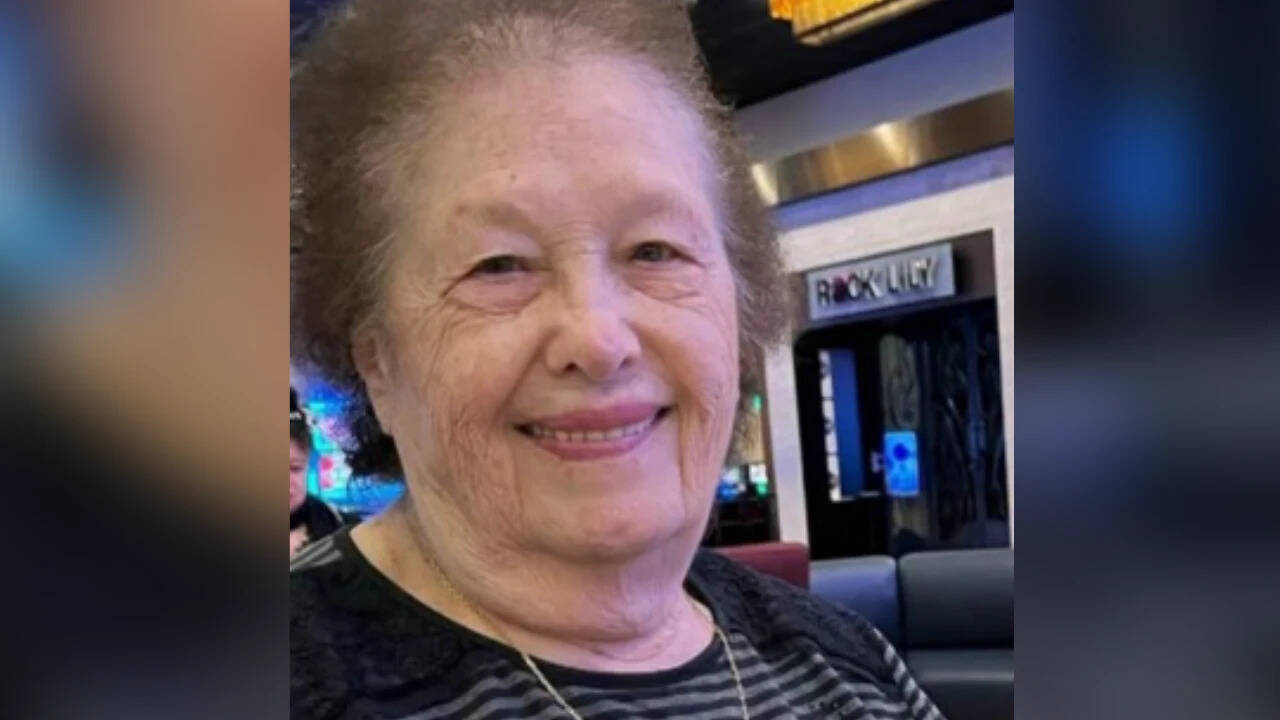
Eva Geller survived the darkest chapter of modern history only to have her final years shattered by modern fanaticism. At ninety years old, the Romanian-born Holocaust survivor passed away at a Sydney hospital, nearly twelve months after taking a bullet during the horrific December 14 mass shooting at Bondi Beach. Her death brings the toll of that targeted attack into sharper focus, turning an already staggering tragedy into a generational loss.
When two gunmen opened fire on the crowded Australian coastline during Hanukkah, they didn't just injure bodies. They targeted the fragile safety of a community that had fought for generations just to live without fear. Fifteen people died that day. Dozens more carried physical and psychological shrapnel. Eva was one of them, struck down while simply trying to celebrate the holidays in peace.
The Fight to Walk Again
Doctors told Eva she would never walk after the shooting. Medical staff gave her a prognosis that would have broken anyone half her age. But Eva wasn't built like most people. She survived the Holocaust, built a family, and spent decades fostering a quiet, resilient joy.
Through sheer grit, she defied the hospital bed. Using a cane, she got back on her feet and proved the doctors wrong. Her family, speaking through Rabbi Aron Moss, noted that she maintained her positive outlook right up until the end, even as complications from multiple surgeries caught up with her in her final weeks. She was a mother, grandmother, and great-grandmother whose life spanned the worst and best of humanity.
Prime Minister Anthony Albanese didn't mince words about the underlying rot of the attack, pointing out that Eva should have spent Hanukkah safe from terror and antisemitism. New South Wales Premier Chris Minns echoed that sentiment, noting that the state is still living with the pain and aftershock of that single afternoon of evil.
Legal Limbo and the Price of Violence
Eva's death throws an immediate wrench into the ongoing justice process. The surviving gunman, twenty-five-year-old Naveed Akram, faces fifteen counts of murder, forty-three counts of attempted murder, and a terrorism charge. Prosecutors now have to weigh whether Eva's passing—months after the initial trauma—alters the indictment.
The New South Wales coroner is currently reviewing the medical chain of events connecting her final hospitalization directly to her gunshot wounds. With court dates looming, the legal system has to wrestle with a grim reality. Gun violence doesn't always end when the shooter stops firing. Sometimes, it finishes the job a year later in a quiet hospital room.
Remembering What Was Lost
We live in an era where mass casualty events flash across our screens, get debated by politicians, and quickly fade into the news cycle background. We scroll past the names. We forget the faces.
Eva Geller's story demands that we stop scrolling. It forces us to look at the long tail of violence. It reminds us that behind every statistic is an old woman who survived Nazi persecution only to be hunted down on a sunny Australian beach by radicalized killers.
Her resilience was extraordinary, but her fate is an indictment of the hate that still festers in our societies. She survived Auschwitz and walked again when doctors said she wouldn't. She deserved a quiet retirement surrounded by her massive family. Instead, she became a late casualty of a senseless war she never asked to join. We shouldn't look away from that truth.