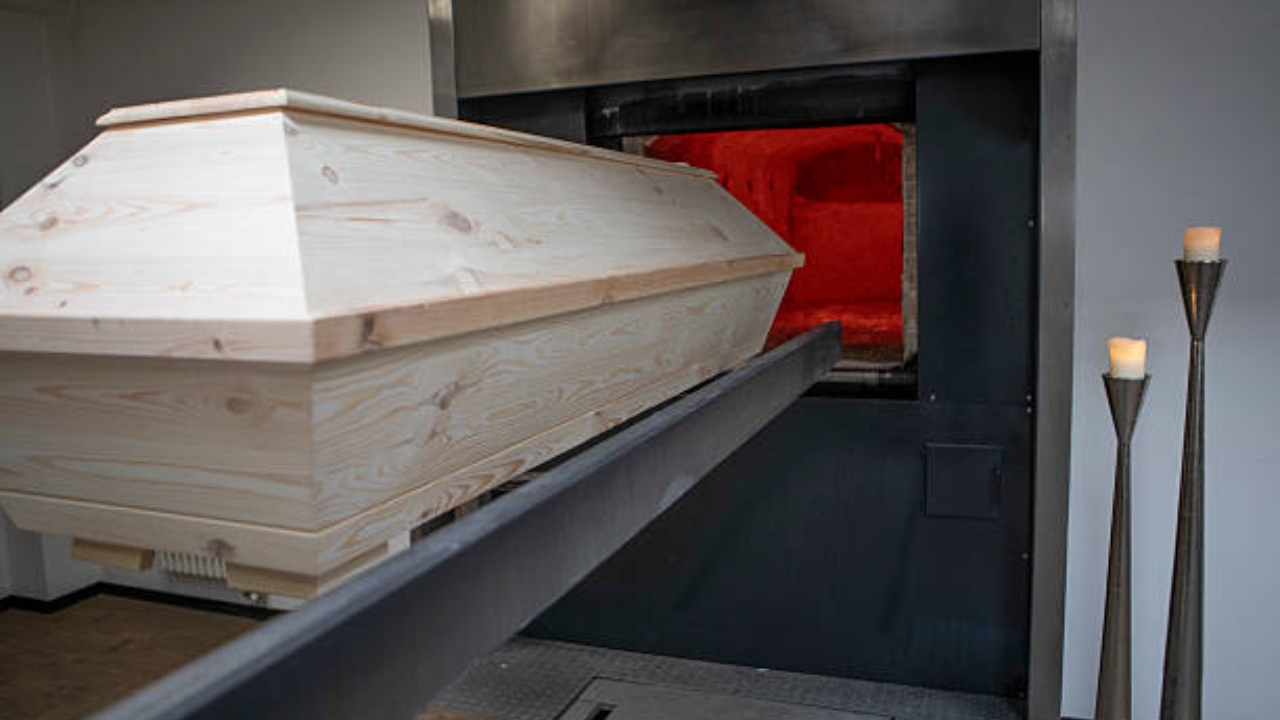
We waste an absurd amount of heat every single day. Power plants vent it into the sky, industrial factories pump it into rivers, and crematoriums burn through massive amounts of natural gas or electricity only to send extreme thermal energy straight up their chimneys. But across Europe, municipalities are finally stopping the madness. They're capturing that thermal waste and piping it directly into schools, swimming pools, and thousands of residential homes.
If the idea of heating a living room with energy captured from cremation sounds grim or shocking, you aren't alone. When Redditch Borough Council in England first proposed warming a local public swimming pool with heat from a nearby crematorium back in 2011, it sparked immediate public outrage and international skepticism. People called it macabre. Local critics hated the concept. Yet, more than a decade later, that exact system runs smoothly, saves thousands of pounds in fuel costs annually, and won environmental awards for sheer common sense.
How Crematorium Heat Recovery Actually Works
Modern gas-fired cremation ovens reach blistering temperatures, typically between 800 and 1000 degrees Celsius. Before flue gases escape into the atmosphere, facilities must cool and clean them, particularly to remove vaporised mercury from dental fillings. That is where the engineering magic happens.
Instead of letting that thermal energy vanish, facilities install specialized heat exchangers inside the flue system. These exchangers capture the residual heat and transfer it into a closed-loop water system. In the Redditch installation, heated water travels through a 200-meter underground pipeline to a secondary heat exchanger connected to the municipal leisure center.
The water acts as a massive thermal battery. According to local council officials, the facility absorbs heat during operations and retains it efficiently throughout the day. When demand spikes or the crematorium isn't running, backup gas boilers kick in automatically, keeping the water warm without missing a beat.
Scaling Up From Swimming Pools to Entire Towns
What started as an experimental project for a single pool in England has evolved into industrial-scale municipal infrastructure across Europe. Cities aren't just looking at local leisure centers anymore; they are hooking crematoria directly into sprawling district heating grids.
Consider Aberdeen, Scotland. A school currently under construction in the city is set to receive waste heat from its local crematorium. While the facility already used some recovered energy to warm its own administrative buildings, the vast majority of its thermal output used to escape into the atmosphere. Ian Davidson, chief executive of Aberdeen Heat & Power, noted that the upgraded system will generate nearly 1 gigawatt-hour of heat annually, covering roughly half of the new school's total energy budget with a heat pump handling the rest.
Meanwhile, Finland is taking the concept even further. A state-of-the-art crematorium opening in Kangasala is engineered to plug straight into the town's district heating network. This extensive web of insulated pipes supplies hot water for space heating to more than 6,500 homes. The facility itself will operate fully on electricity, backed by rooftop solar panels. In a region where winter temperatures stay below freezing for weeks at a time, finding every possible source of local, non-fossil energy is a priority.
The Cultural Shift Around Death and Sustainability
Technical engineering is rarely the hardest part of these projects. The real hurdle is public perception. Death remains a heavily guarded, emotional topic, and mixing municipal utilities with funeral rites naturally makes people uncomfortable at first.
Ian Rudkin, a board member of the Cremation Society of Great Britain who has managed multiple crematoria, remembers the initial backlash when facilities began holding coffins for up to 72 hours to optimize cremation sequences for efficiency. Families were initially unsettled by the adjustment. Over time, education changed minds. Once people understood the operational logic, acceptance grew rapidly.
Experts studying modern death practices point out a major shift in how families view the environmental toll of traditional end-of-life choices. Hannah Rumble, a researcher at the University of Bath's Centre for Death and Society, highlights that recovering thermal waste aligns with a growing desire among citizens to reduce their ecological footprint even after death. For many people, knowing their final resting process contributes warmth to a local school or neighborhood feels like a meaningful, practical legacy.
Even engineers working on these systems share this perspective. Timo Heikkilä, an energy consultant helping design the Kangasala project in Finland, put it bluntly when discussing his own future. He wants his eventual waste heat recycled, calling it the most sensible final contribution a person can make to the grid.
The Numbers Behind the Green Transition
Let's look at the hard reality of scale. A study published in the journal Energy estimated that if every single crematorium in the UK were retrofitted with waste heat recovery systems, they would meet roughly 1 percent of the nation's total heating demand.
Critics often point to that modest percentage to dismiss the technology as a gimmick. They're missing the forest for the trees. Decarbonizing municipal heat networks is notoriously difficult. There is no single silver bullet that fixes home heating emissions overnight. Instead, reaching net-zero goals requires dozens of small, localized interventions stacked together. When you can heat thousands of homes or keep a community pool running entirely off industrial exhaust that used to be wasted, you don't turn your nose up at 1 percent. You take the win, scale the infrastructure, and look for the next inefficiency to fix.